
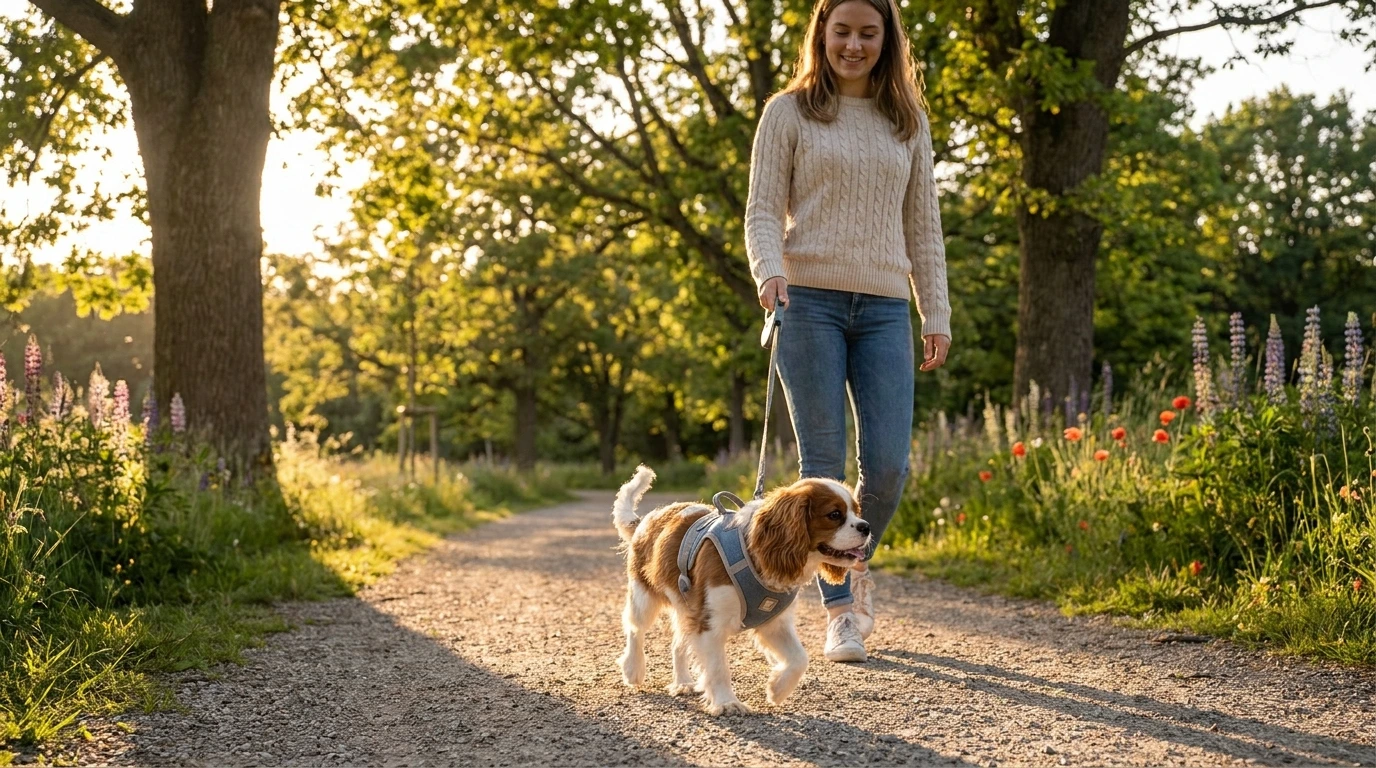
Training your puppy to walk on a harness can be a rewarding experience for both you and your furry friend. Harnesses provide better control and safety compared to traditional collars, especially for small or energetic puppies. This article will guide you through the essential steps, tips, and techniques to ensure a smooth and enjoyable harness training process.
Understanding the Benefits of Using a Harness
Before diving into the training process, it’s crucial to understand why a harness is beneficial for your puppy. Harnesses distribute pressure evenly across the dog’s body, reducing the risk of injury to the neck and throat. This makes them especially suitable for small breeds, brachycephalic dogs, and those prone to respiratory issues.
Safety and Comfort
A well-fitted harness can prevent your puppy from slipping out and potentially escaping during walks. It offers a secure attachment point that minimizes the risk of injury caused by sudden pulls or jerks. Additionally, many harnesses come with padding that enhances comfort, making walks a more pleasant experience for your puppy.
Training Control
Using a harness allows for better control during training sessions. It can help curb pulling behavior, as the harness encourages puppies to walk alongside their owners rather than in front. This can foster better leash manners and promote a more enjoyable walking experience for both you and your puppy.
Choosing the Right Harness
Selecting the right harness for your puppy is a critical step in the training process. There are various types and styles available, so understanding the differences is essential.
Types of Harnesses
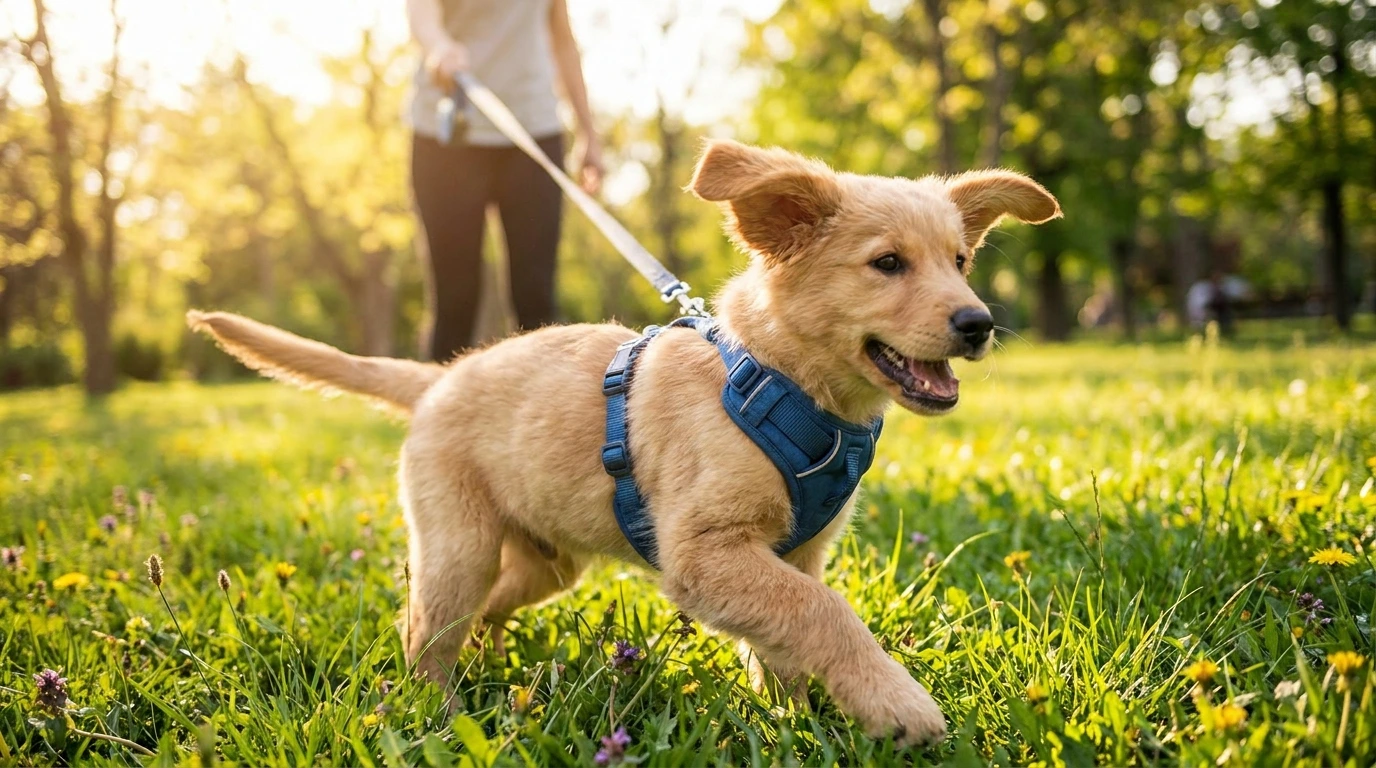
There are primarily two types of harnesses: back-clip and front-clip. Back-clip harnesses are suitable for well-trained dogs, as they allow for a more natural walking position. In contrast, front-clip harnesses are excellent for puppies that tend to pull, as they redirect their attention back to the owner.
Size and Fit
Ensure that the harness fits your puppy properly. A harness that is too tight can cause discomfort, while one that is too loose may not provide adequate control. Measure your puppy’s chest and neck to find the right size, and always refer to the manufacturer’s sizing guide.
Steps to Train Your Puppy to Walk on a Harness
Now that you have the right harness, it’s time to begin the training process. Patience and consistency are key to successfully teaching your puppy to walk comfortably on a harness.
Introducing the Harness
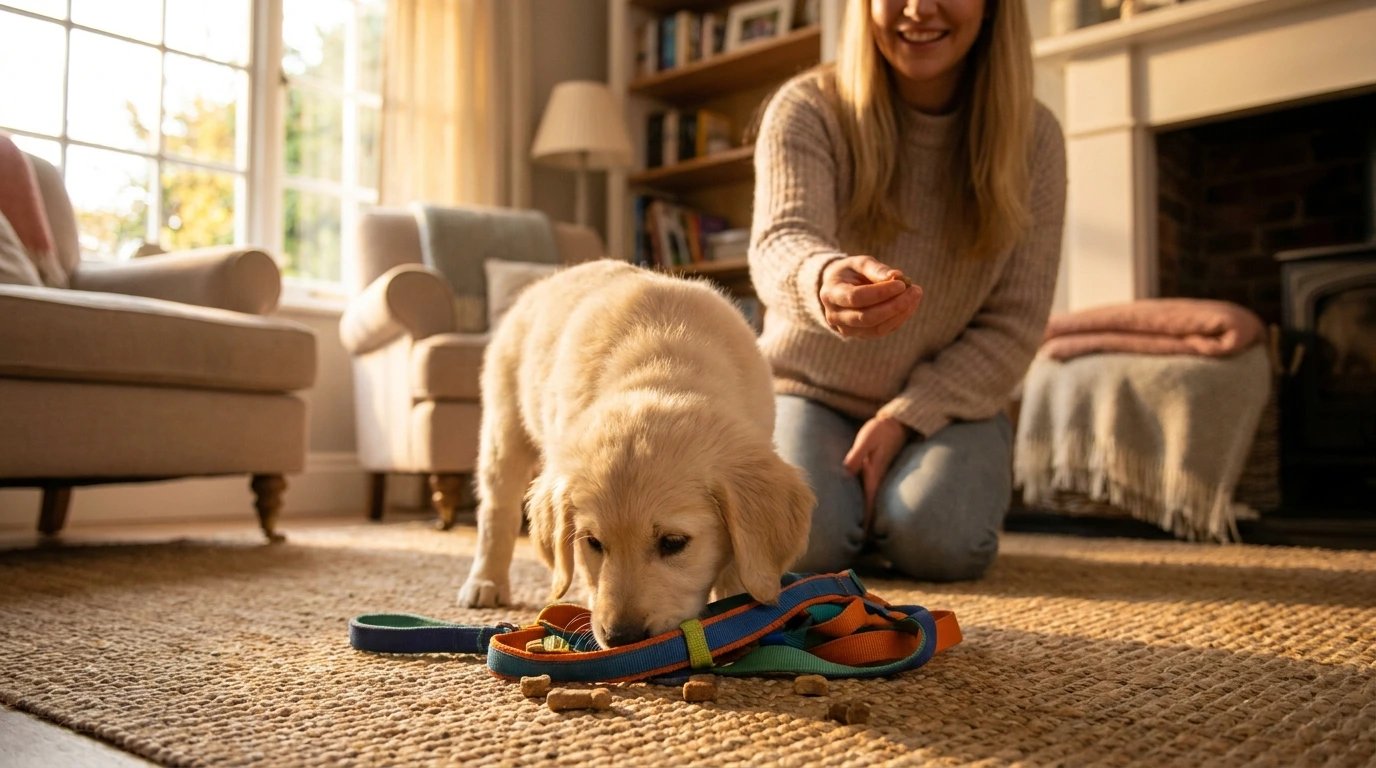
Start by allowing your puppy to become familiar with the harness. Let them sniff it and explore it at their own pace. You can encourage positive associations by offering treats when they show interest in the harness. Once your puppy is comfortable, gently place the harness on them without fastening it. Allow them to wear it for short periods while engaging in play or during mealtime.
Securing the Harness
Once your puppy is accustomed to wearing the harness, it’s time to secure it. Fasten the harness and ensure it’s snug but not too tight. Observe your puppy’s behavior; they may wiggle or try to get it off initially. Provide reassurance and positive reinforcement with treats and praise, helping them associate the harness with a positive experience.
Leash Introduction
After your puppy is comfortable in the secured harness, attach the leash. Allow them to drag the leash around the house for short periods, ensuring they are not tangled. This helps them get used to the feeling of the leash without the pressure of being guided. Supervise them closely during this time to prevent accidents.
Short Indoor Walks
Once your puppy is comfortable with the harness and leash, begin practicing short indoor walks. Use treats to encourage them to walk beside you. If they pull, stop walking and call them back to your side, rewarding them when they do. This reinforces the behavior you want to encourage.
Outdoor Training Sessions
When your puppy is ready, transition to outdoor training sessions. Begin in a quiet area with minimal distractions. Keep the initial walks short, gradually increasing the duration as your puppy becomes more comfortable. Use treats and praise to reinforce positive behavior, and be patient as they adjust to new sights and sounds.
Common Challenges and Solutions
Every puppy is unique, and some may face specific challenges during harness training. Here are some common issues and how to address them.
Puppy Refusal
If your puppy refuses to walk while wearing the harness, check the fit and comfort level. Ensure it is not too tight and that they feel secure. You may also need to revisit the introduction phase, allowing them to wear the harness for longer periods without pressure.
Pulling on the Leash
If your puppy tends to pull, stop walking immediately. Wait for them to return to your side before continuing. This teaches them that pulling will not get them where they want to go. Consider using a front-clip harness to help manage pulling more effectively.
FAQs
How long does it take to train a puppy to walk on a harness?
The time it takes can vary depending on the individual puppy. Some puppies may adapt within a few days, while others may take a few weeks. Consistency and patience are essential.
Can I train an older dog to walk on a harness?
Yes, older dogs can be trained to walk on a harness. The process may require more patience, especially if they are not accustomed to wearing one. Follow similar steps as you would for a puppy, adjusting for their specific needs.
What should I do if my puppy is afraid of the harness?
If your puppy shows fear of the harness, take a step back. Allow them to explore the harness without wearing it and use treats to create positive associations. Gradually introduce the harness in a stress-free environment.
Conclusion
Training your puppy to walk on a harness is an essential skill that enhances safety and control during walks. By understanding the benefits, choosing the right harness, and following a structured training approach, you can create a positive experience for your puppy. Remember to be patient, use positive reinforcement, and enjoy the bonding time as you both explore the great outdoors together.