
Training your dog for off-leash recall can be one of the most rewarding experiences for both you and your pet. A reliable recall allows your dog the freedom to explore safely while giving you peace of mind. This comprehensive guide will walk you through effective techniques, practical tips, and essential steps to ensure your dog comes back to you on command, no matter the distractions around them.
Understanding Off-Leash Recall
Off-leash recall is the ability of your dog to return to you when called, even without a leash. This skill is crucial for safety and enhances the bond between you and your pet. Understanding the basics of canine behavior and training principles can significantly impact your success.
The Importance of Recall Training
Recall training is not just about obedience; it can prevent dangerous situations. A dog that reliably comes when called can avoid traffic, wildlife encounters, or other potential hazards. Furthermore, it fosters a sense of freedom and confidence in your dog, allowing them to enjoy their environment while remaining safe.
Building a Strong Foundation
Before starting off-leash training, ensure your dog has a solid understanding of basic commands like “sit,” “stay,” and “come.” These foundational commands are crucial for effective recall training. Begin in a controlled environment, like your home or yard, where distractions are minimal.
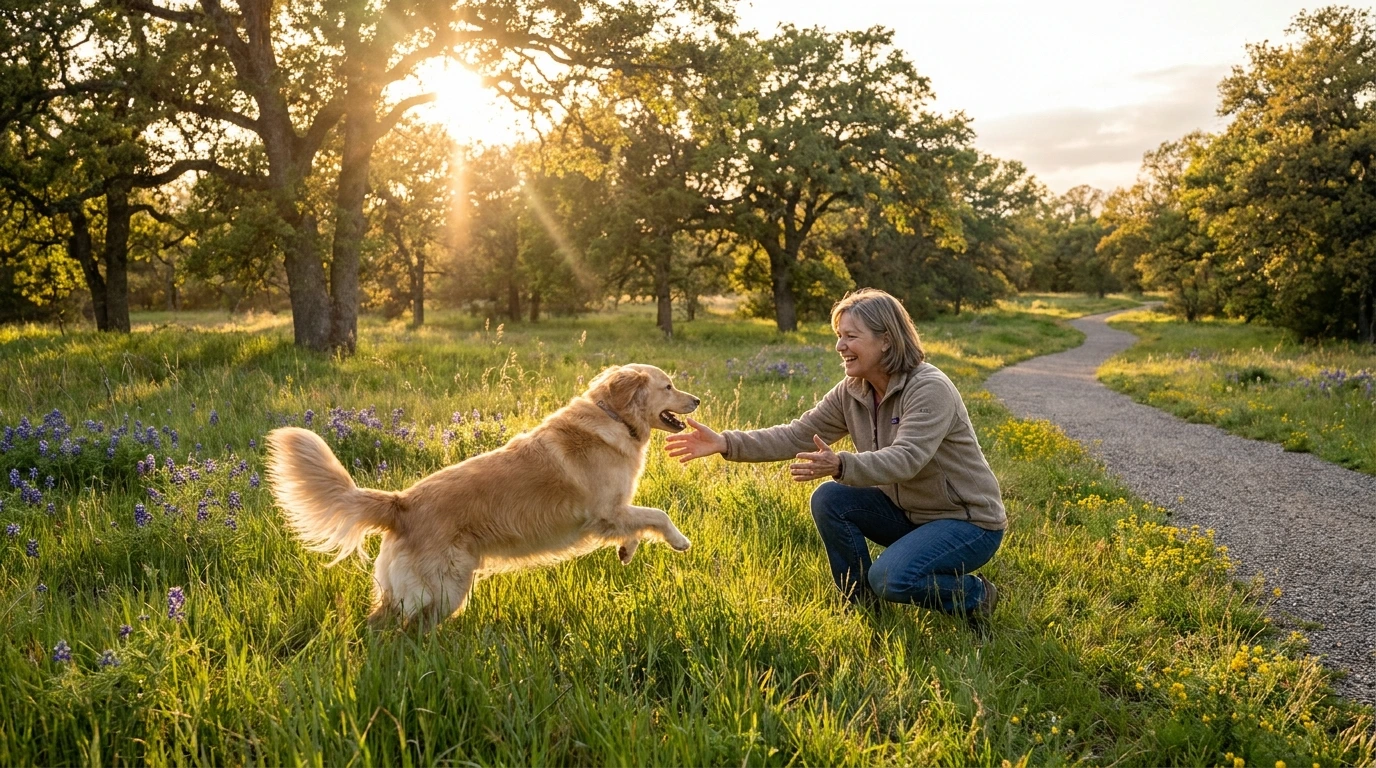
Steps to Train Your Dog for Off-Leash Recall
Training for off-leash recall involves several steps that build upon each other. Consistency and patience are key throughout this process.
1. Start with Leash Training
Begin by practicing recall with your dog on a leash. Use a long line to give them some freedom while still maintaining control. Call your dog using a happy tone and reward them with treats or praise when they come to you. This establishes positive reinforcement and helps them associate coming back with good things.
2. Use a Unique Recall Cue
Select a specific word or phrase for your recall command. It should be distinct and not similar to other commands. Words like “come” or “here” work well, but you can choose something unique, like “scoot.” Be consistent in using this cue every time you call your dog. This helps them learn to respond specifically to that command.
3. Gradually Increase Distance
Once your dog reliably comes when called on a leash, begin to increase the distance gradually. Start by moving a few steps away and calling them. As they become more confident, increase the distance and practice in various locations. Always reward them for coming back, especially when called from further away.
4. Introduce Distractions
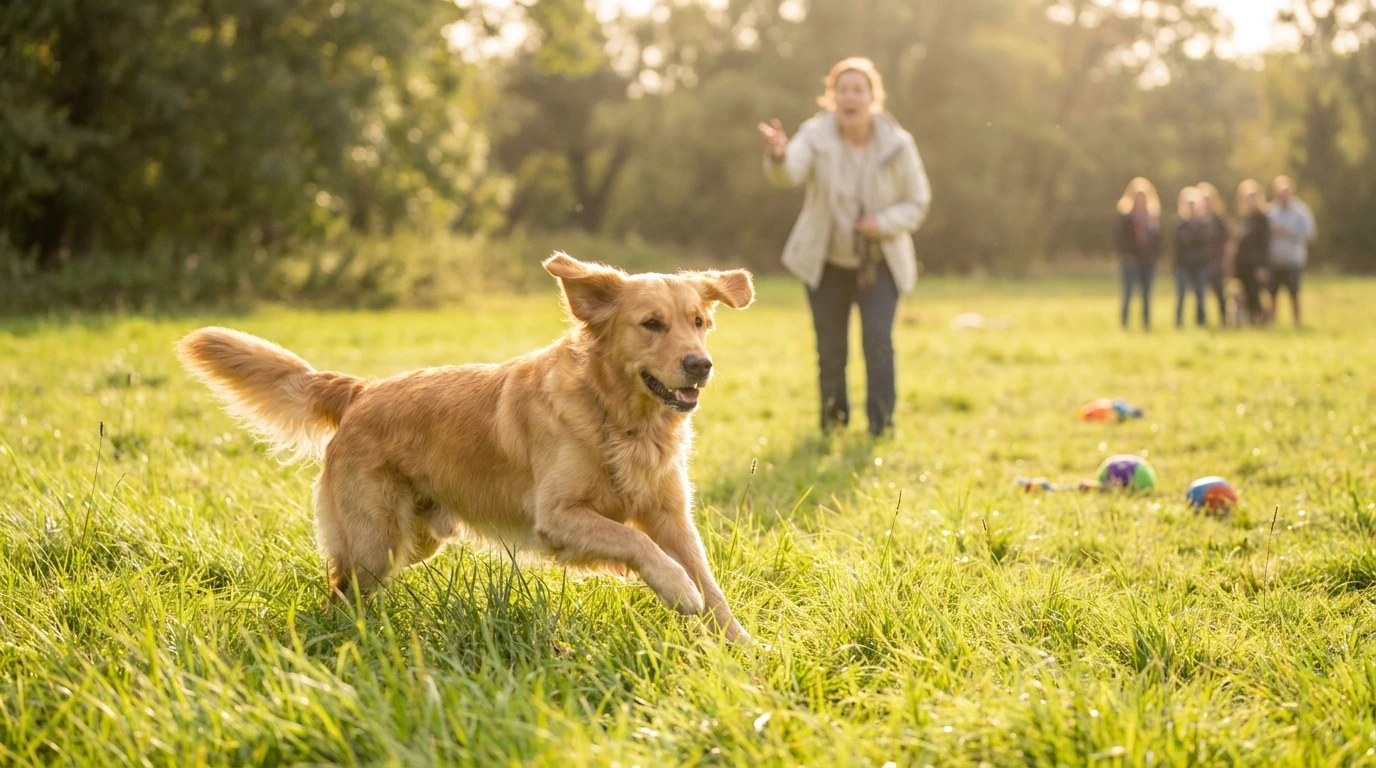
To prepare your dog for real-world scenarios, introduce distractions slowly. Begin with mild distractions, like toys or other people at a distance. As your dog becomes accustomed to responding to your recall command with these distractions, gradually increase the level of difficulty. For instance, practice in a dog park, where other dogs and people are present.
5. Practice in Safe, Open Areas
Once your dog has mastered recall with distractions, practice in safe, open areas like a fenced field. Ensure the environment is secure, allowing your dog to explore without the risk of running away. This helps them feel free while reinforcing the recall command in a more exciting setting.
6. Implement a “Reward and Release” System
Incorporate a “reward and release” system to help your dog understand when to return and when they can explore again. After your dog comes to you, reward them with a treat or praise, then give them a release word like “go play” or “free.” This reinforces their recall and allows them to enjoy their freedom afterward.
Maintaining Consistency and Patience
Training your dog for off-leash recall is not a one-time effort; it requires ongoing practice and reinforcement. Consistency is crucial. Practice regularly and keep training sessions short and positive to maintain your dog’s interest and enthusiasm.
Regular Practice Sessions
Incorporate recall practice into your daily routine. Short, frequent sessions are often more effective than longer, infrequent ones. For example, practice recall during walks or playtime to keep training enjoyable for your dog.
Adjusting to Individual Needs
Every dog is different. Some may pick up recall quickly, while others may take more time. Be patient and adjust your approach based on your dog’s progress. If your dog struggles with distractions, consider reducing the level of distraction until they are more confident in their recall abilities.
FAQs
How long does it take to train a dog for off-leash recall?
The time it takes to train a dog for off-leash recall varies based on the individual dog and the consistency of training. Generally, it may take several weeks to months of regular practice to achieve a reliable recall.
What if my dog ignores me when called?
If your dog consistently ignores you, reevaluate your training techniques. Ensure you are using high-value rewards, and consider practicing in less distracting environments. You may also need to strengthen their foundational commands before progressing.
Can all dogs be trained for off-leash recall?
Most dogs can be trained for off-leash recall, but each dog’s temperament and personality may affect their responsiveness. Some breeds may be more stubborn or independent. It’s important to tailor your training approach to suit your dog’s individual needs.
Is it safe to train my dog for off-leash recall?
Yes, training for off-leash recall is safe when conducted in a secure environment. Always ensure your dog is in a safe area, ideally fenced, when practicing off-leash. Gradually introduce them to more open spaces as their recall improves.
Conclusion
Training your dog for off-leash recall is an invaluable skill that enhances both your and your dog’s experience during outdoor activities. By following structured steps, maintaining consistency, and remaining patient, you can foster a reliable recall in your dog. The freedom it grants your pet, combined with the safety it provides, makes the effort well worth it. With dedication and positive reinforcement, you will enjoy the many benefits of a well-trained dog.