
Trimming a dog’s nails can be a daunting task for many pet owners. However, with the right techniques and an understanding of your dog’s behavior, you can train your furry friend to accept this essential grooming practice. This article will guide you through effective methods to make nail trimming a positive experience for both you and your dog, ensuring that your pet remains calm and cooperative during the process.
Understanding the Importance of Nail Trimming
Nail trimming is a crucial aspect of dog grooming that goes beyond aesthetics. Overgrown nails can lead to various health issues, including pain, difficulty walking, and even joint problems. Regular trimming helps to maintain your dog’s overall well-being and allows them to move comfortably. Additionally, keeping your dog’s nails at an appropriate length can prevent damage to floors and furniture.
Recognizing Signs of Overgrown Nails
It is essential to recognize when your dog’s nails need trimming. Signs include clicking sounds when walking on hard surfaces, nails that touch the ground when standing, and visible overgrowth that appears curled or jagged. Addressing these signs early on can prevent further complications and discomfort for your dog.
Choosing the Right Tools
Before you begin training your dog to accept nail trimming, ensure you have the right tools. Nail clippers or grinders designed specifically for dogs are essential for a safe and effective grooming experience. Choose a clipper that fits comfortably in your hand and is appropriate for your dog’s size. Familiarize yourself with how to use these tools before introducing them to your dog.
Preparing Your Dog for Nail Trimming
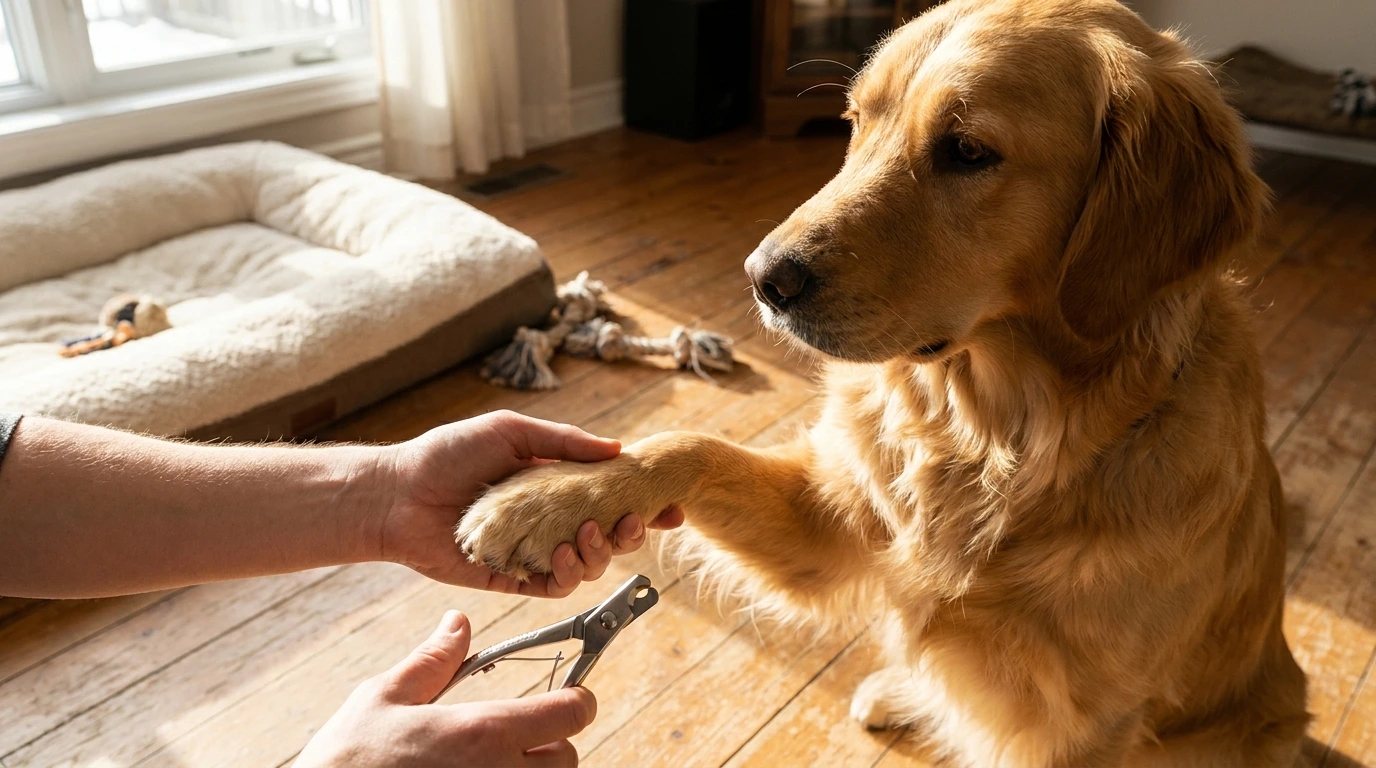
Preparation is key to creating a stress-free environment for nail trimming. Start by getting your dog accustomed to having their paws handled. This gradual process will help your dog feel more comfortable when it’s time for trimming.
Desensitization Techniques
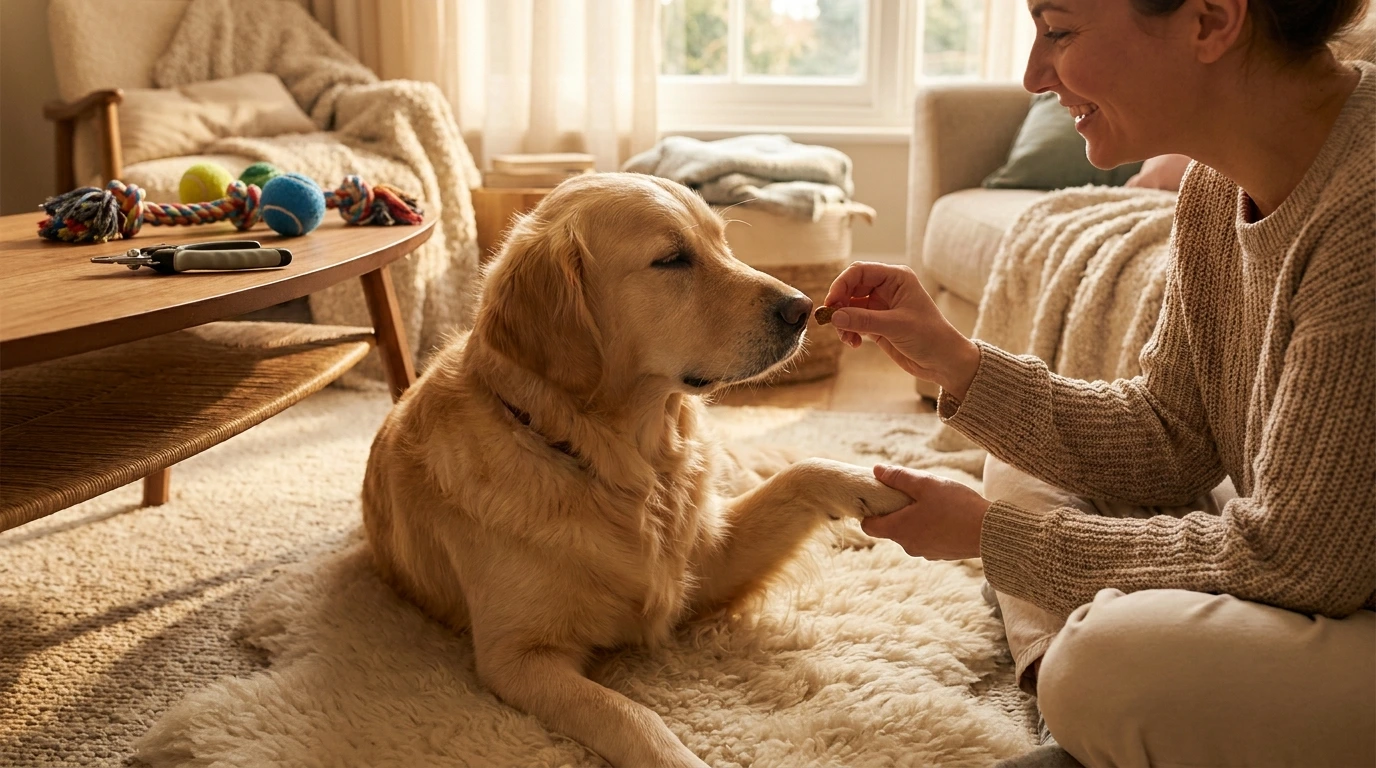
Begin by gently holding your dog’s paw while providing treats and praise. Gradually increase the duration of paw handling and incorporate the use of clippers or grinders. Allow your dog to sniff and explore the tools, ensuring they associate these items with positive experiences. Be patient and take your time, as rushing this process can create anxiety.
Creating a Calm Environment
Select a quiet area for nail trimming, free from distractions. Having a designated space can help your dog feel more secure. You might consider using a soft surface, like a rug or mat, to make your dog more comfortable. Additionally, keep treats and their favorite toys nearby to reward good behavior during the session.
Training Techniques for Nail Trimming
Once your dog is comfortable with having their paws handled and is familiar with the tools, you can start training them to accept nail trimming. Utilizing positive reinforcement is crucial in this process.
Step-by-Step Approach
Begin by trimming just one nail at a time. After each successful trim, offer a treat and praise your dog enthusiastically. This positive reinforcement will encourage them to associate nail trimming with rewards. If your dog shows signs of stress or anxiety, take a step back and give them a break. Gradually work up to trimming all the nails over several sessions, ensuring that your dog remains calm and relaxed.
Using Distractions
Consider using distractions to help your dog stay calm during the trimming process. A favorite chew toy or a treat-dispensing puzzle can keep your dog occupied while you trim their nails. The key is to maintain a relaxed atmosphere, allowing your dog to focus on something enjoyable rather than the nail trimming itself.

Maintaining a Routine
Establishing a regular nail trimming routine is vital for your dog’s comfort and health. Consistency helps your dog become accustomed to the process, making it easier over time.
Frequency of Nail Trimming
The frequency of nail trimming can vary depending on your dog’s activity level and the type of surfaces they walk on. Generally, dogs should have their nails trimmed every 3 to 4 weeks. Regular checks will help you gauge when trimming is necessary and keep your dog’s nails at a healthy length.
Monitoring Your Dog’s Reaction
As you establish a routine, pay attention to your dog’s reactions. If they appear anxious or fearful, reassess your approach. It may be beneficial to return to earlier steps of desensitization or to take shorter breaks during the process. Each dog is unique, and adapting your training style to their needs will yield the best results.
FAQs
How can I tell if I am cutting my dog’s nails too short?
Cutting nails too short can cause pain and bleeding. The quick, a sensitive area within the nail, should be avoided. If you see a pink area near the tip of the nail, that is likely the quick. Trim just the tip and be cautious not to cut into this area.
What should I do if my dog resists nail trimming?
If your dog resists nail trimming, take a step back and focus on desensitization techniques. Gradually introduce the tools and handle their paws without trimming to build trust. Use treats and patience to encourage positive associations.
Are there any alternatives to traditional nail clippers?
Yes, nail grinders are a popular alternative to traditional clippers. They can be less intimidating for some dogs and offer a smoother finish. However, they may take longer and require a more gradual introduction to ensure your dog remains comfortable.
Conclusion
Training your dog to accept nail trimming is a vital skill that enhances their health and well-being. With patience, positive reinforcement, and a structured approach, you can create a stress-free grooming experience for both you and your dog. Establishing a routine and remaining attentive to your dog’s needs will make nail trimming a regular and positive part of your grooming practices. By following these guidelines, you can help your furry companion stay comfortable and healthy for years to come.