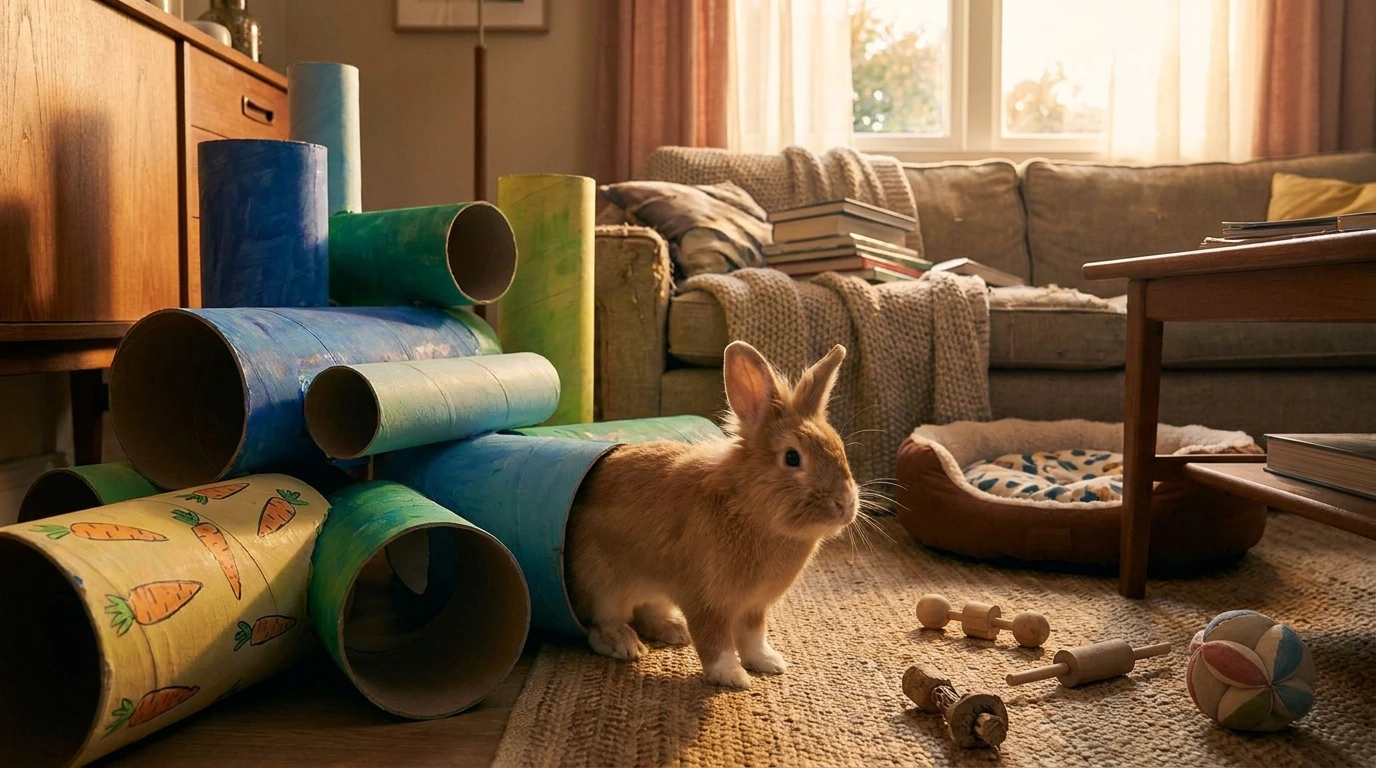
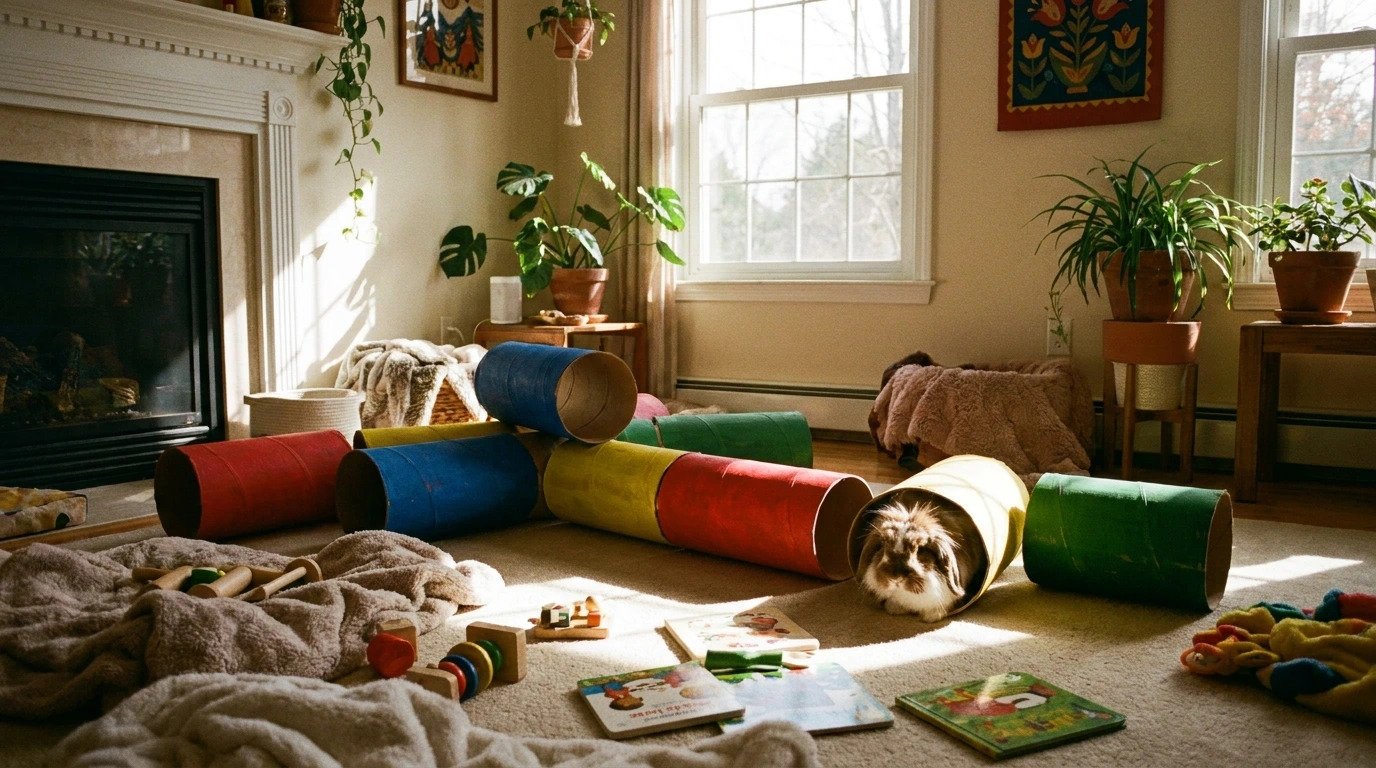
Creating a DIY rabbit tunnel from cardboard tubes is not only a fun project but also a fantastic way to enrich your rabbit’s environment. Rabbits are natural explorers and love to dig, hide, and hop through tunnels. This homemade tunnel can provide your furry friend with hours of entertainment while stimulating their natural instincts. Plus, it’s an eco-friendly option that repurposes materials you likely already have at home!
Why This DIY Project Is Perfect for Your Pet
Rabbits are curious creatures that thrive on mental and physical stimulation. A DIY tunnel can offer them a safe space to explore, play, and exercise. Unlike store-bought tunnels, a cardboard tube tunnel is customizable, allowing you to adjust the size and shape according to your rabbit’s preferences and your available space. This project not only enriches their habitat but also strengthens the bond between you and your pet, as you engage in a fun and creative activity together.
Understanding Your Rabbit’s Behavior
Before diving into the construction of the tunnel, it’s essential to understand why rabbits enjoy tunnels. In the wild, rabbits dig burrows and create complex networks to hide from predators. By providing a tunnel, you mimic this natural behavior, allowing your rabbit to feel secure and entertained. Watching your rabbit explore and interact with their new environment can be incredibly rewarding.
What You’ll Need
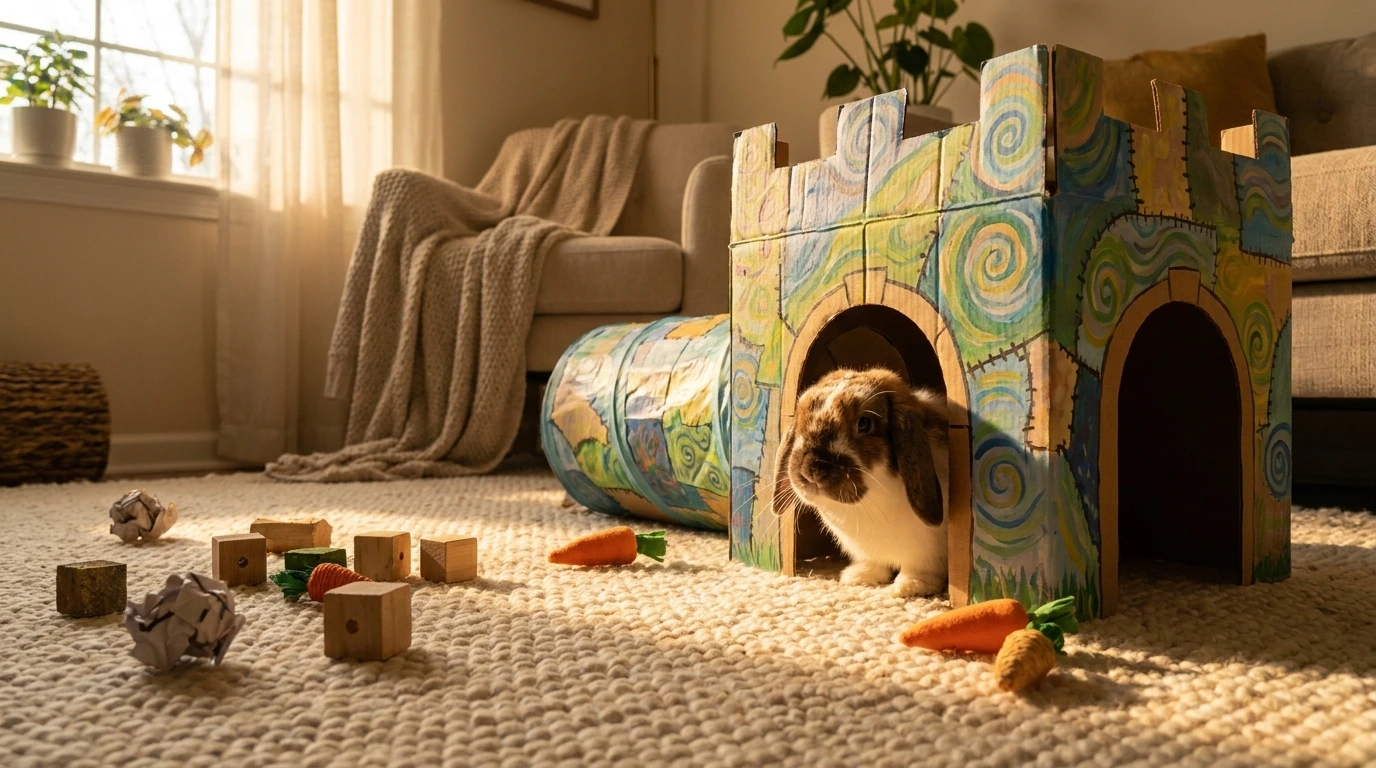
Gathering the right materials is crucial for a successful DIY project. For this cardboard tube tunnel, you will need:
Cardboard tubes (toilet paper or paper towel rolls) Strong adhesive tape (masking or duct tape) Scissors Utility knife (for adult use only) Optional: Non-toxic paint or decorations Optional: Soft bedding material for added comfort
Choosing the Right Cardboard Tubes
When selecting cardboard tubes, ensure they are sturdy and free from any harmful chemicals or inks. Avoid tubes that have been treated with any type of coating. Toilet paper rolls are a great size for smaller rabbits, while paper towel rolls can be used for larger breeds. The sturdiness of the tube is essential, as rabbits may chew on them, so choose thicker tubes when possible.
Step-by-Step Instructions
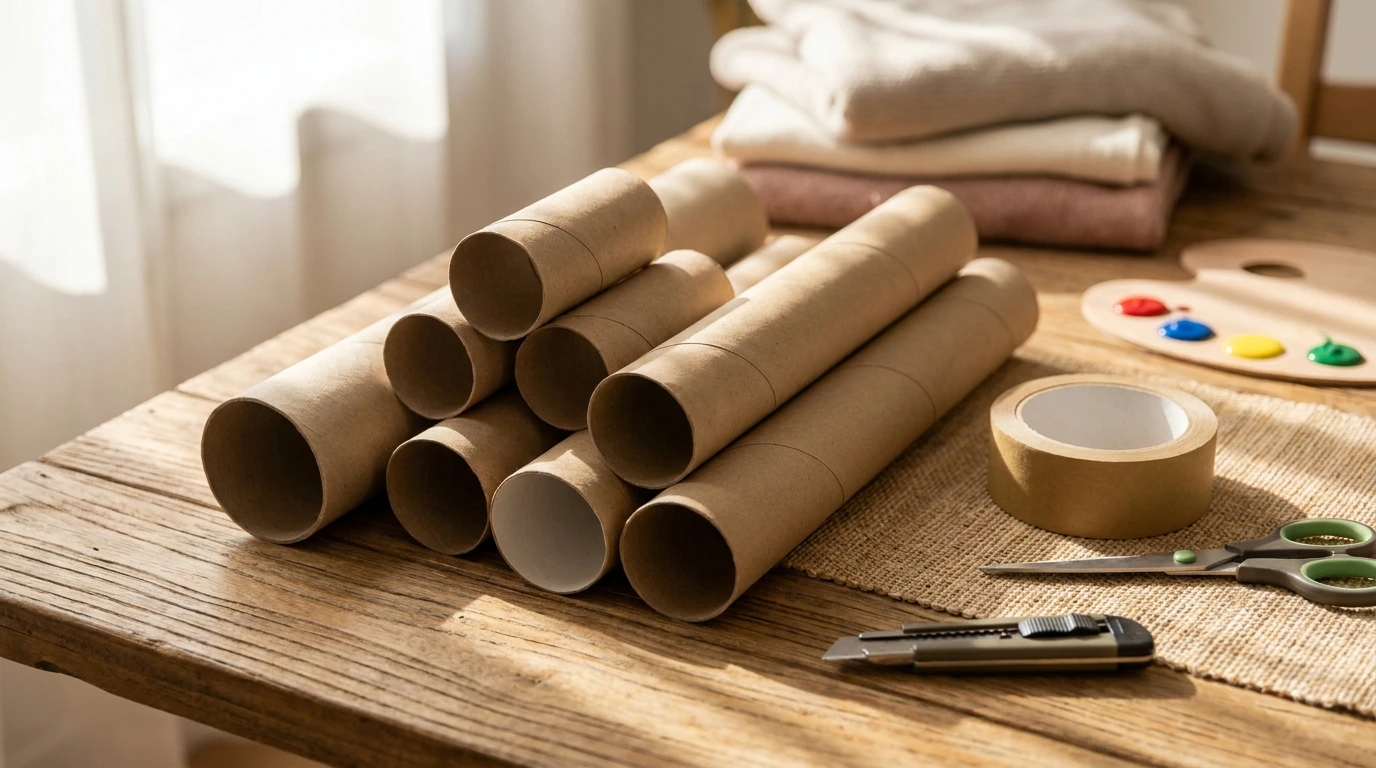
Building a cardboard tube tunnel is straightforward and can be accomplished in just a few easy steps. Let’s get started!
Step 1: Prepare Your Tubes
Start by collecting your cardboard tubes. If you’re using paper towel rolls, cut them down to a size that fits your rabbit comfortably. Aim for a length of 12 to 24 inches, depending on your space. Make sure the ends of the tubes are smooth; trim any rough edges with scissors or a utility knife. This will ensure your rabbit doesn’t get hurt while exploring.
Step 2: Connect the Tubes
Decide on the layout of your tunnel. You can create a simple straight tunnel or a more complex system with multiple entrances and exits. To connect multiple tubes, secure them together using strong adhesive tape. Make sure the connections are tight to prevent the tubes from separating during play. Consider using a combination of different tube sizes to create varied pathways.
Step 3: Create Openings
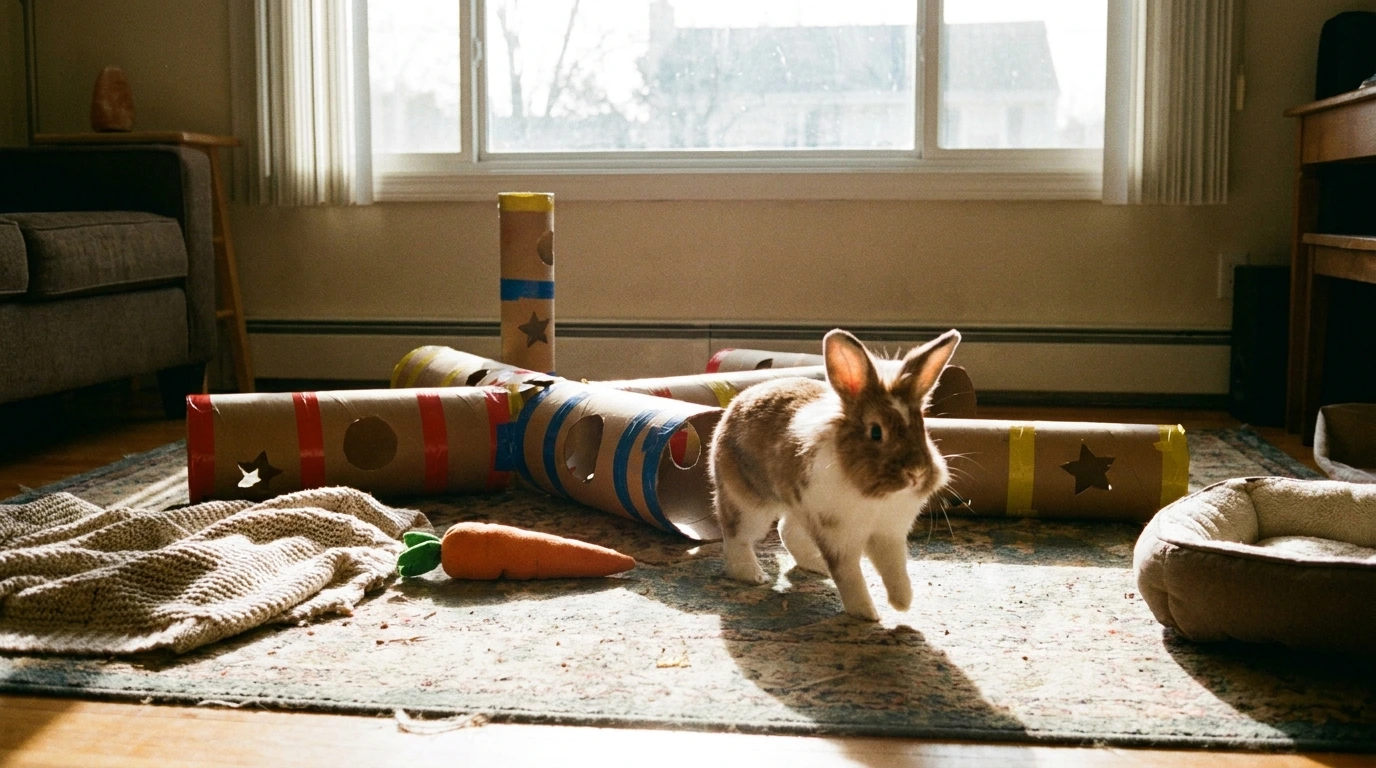
If you want to add more excitement, cut additional openings into the sides of the tubes. These can serve as entry and exit points for your rabbit. Ensure the openings are large enough for your rabbit to hop through comfortably. Be cautious with sharp edges; reinforce them with tape to prevent any injuries.
Safety Tips and Cleaning
Ensuring your rabbit’s safety while enjoying their new tunnel is paramount. Here are some essential safety tips to keep in mind:
Monitor for Wear and Tear
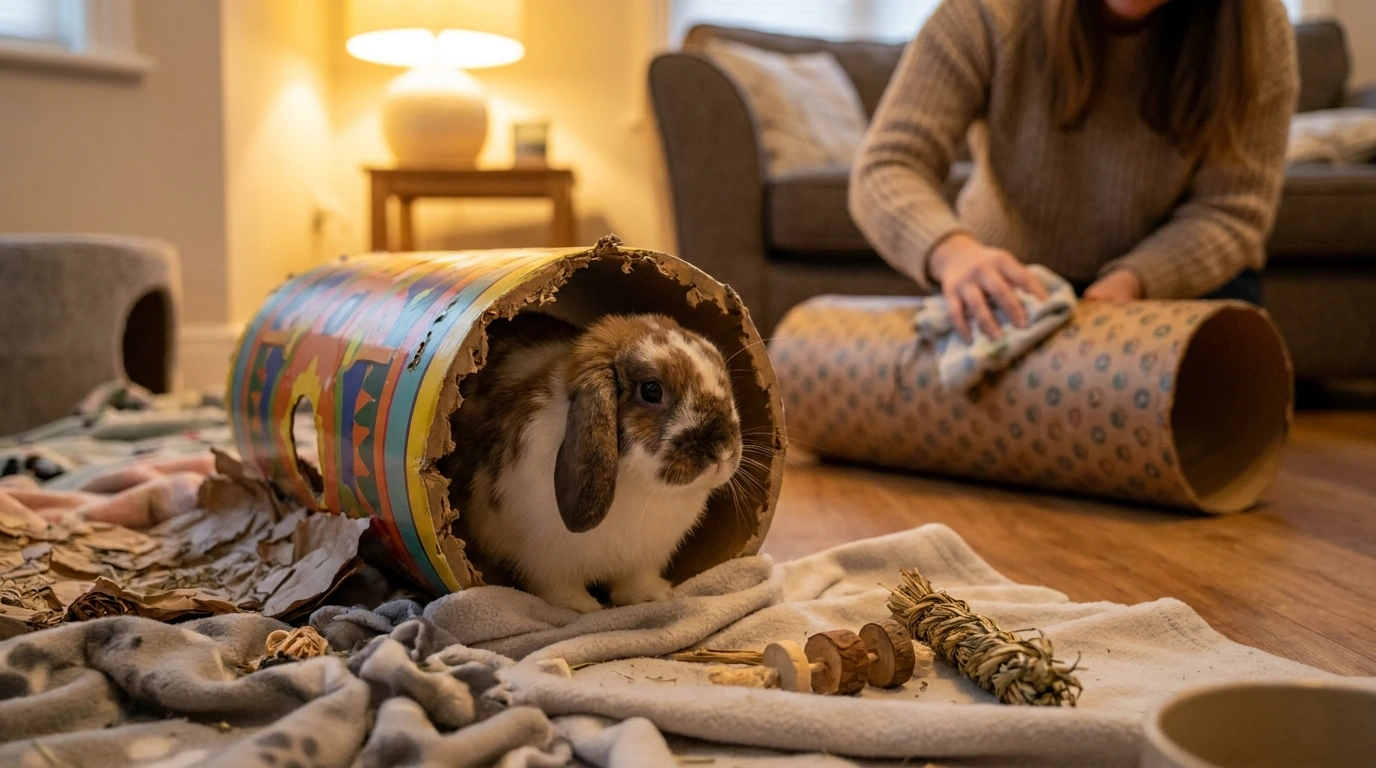
Regularly check the tunnel for any signs of wear or damage. Rabbits love to chew, and over time, the cardboard can become weakened or torn. If you notice any significant damage, replace the tube immediately to prevent any choking hazards or injuries.
Cleaning the Tunnel
Cardboard can absorb moisture and odors, so it’s essential to clean the tunnel regularly. Remove any bedding or debris inside the tunnel and wipe it down with a damp cloth. Avoid using harsh chemicals; instead, use a mild soap solution if necessary. Allow the tunnel to dry completely before reintroducing it to your rabbit’s space.
Fun Ways to Customize It
Personalizing your DIY rabbit tunnel can enhance its appeal and make it a unique addition to your rabbit’s habitat. Here are some ideas:
Decorate with Non-Toxic Paint
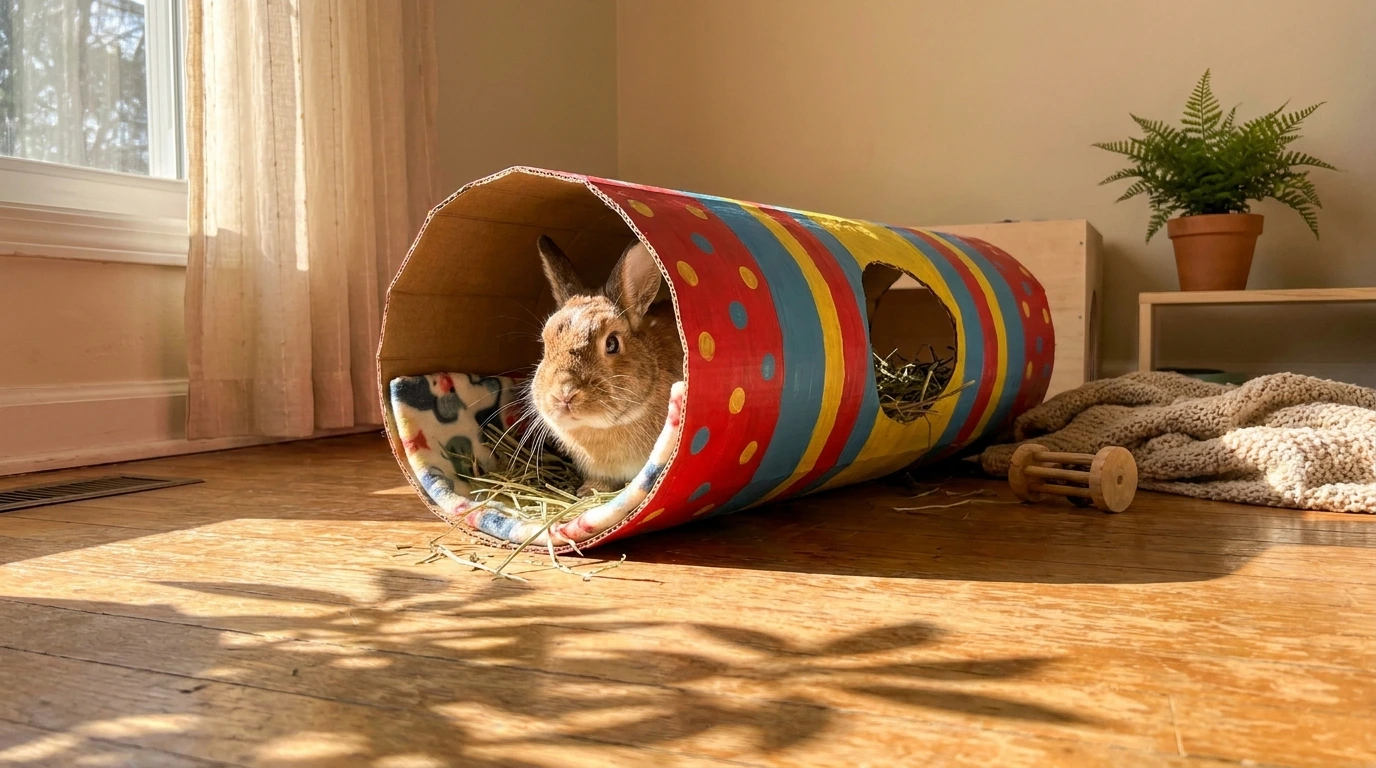
Consider painting the tunnel with non-toxic paint to add some color and personality. Choose bright colors or patterns that will catch your rabbit’s eye. Allow the paint to dry completely before allowing your rabbit to use the tunnel. This adds a fun visual element while keeping your pet safe.
Add Soft Bedding or Hay
For additional comfort, line the inside of the tunnel with soft bedding or hay. This will create a cozy environment for your rabbit and encourage them to spend more time exploring. Just be sure to replace the bedding regularly to maintain cleanliness.
Incorporating the Tunnel into Your Rabbit’s Environment
Once your tunnel is complete, it’s time to introduce it to your rabbit’s living space. Consider the following tips for optimal integration:
Placement and Exploration
Place the tunnel in an area where your rabbit already feels comfortable and safe. Allow your rabbit to explore the tunnel at their own pace. It may take some time for them to become accustomed to their new toy, so be patient and encourage them with treats or toys placed inside the tunnel.
Combine with Other Enrichment Activities
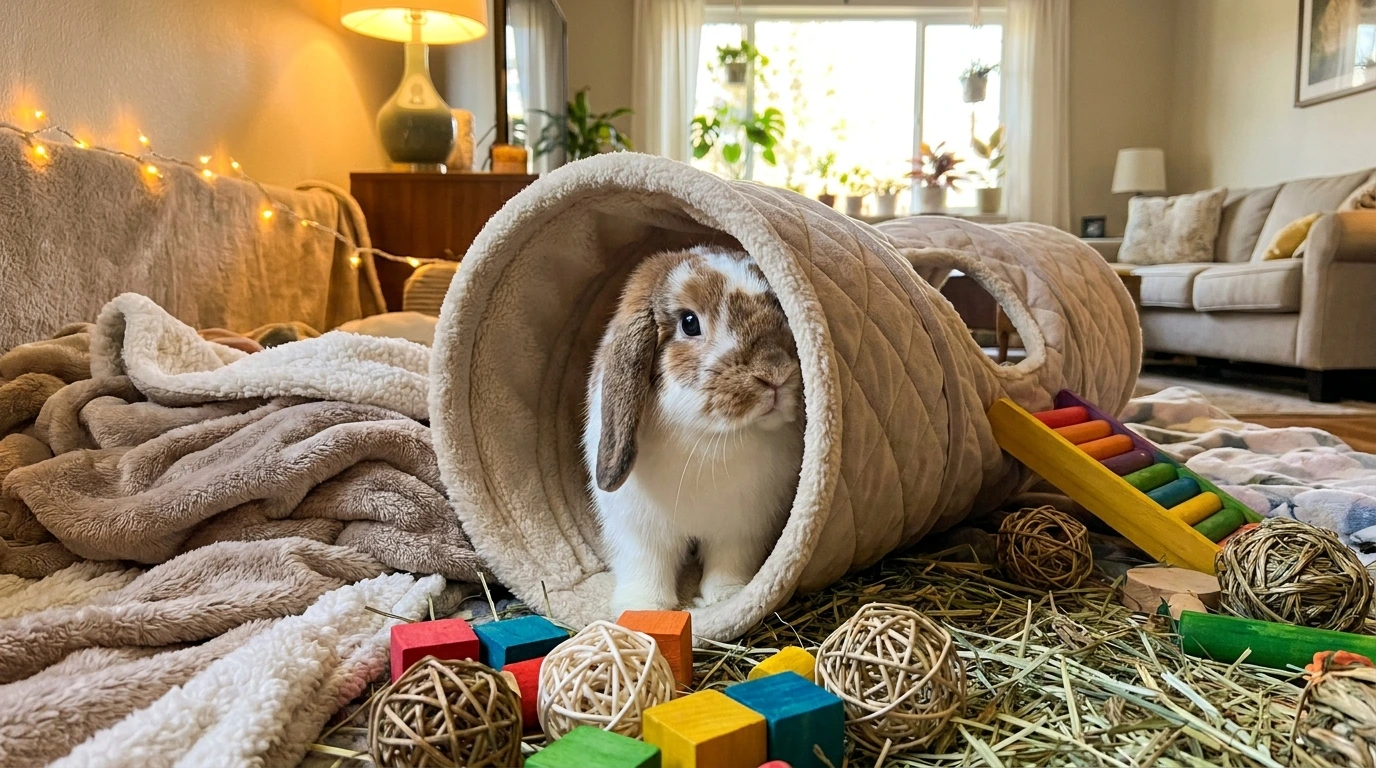
To enhance your rabbit’s playtime, consider combining the tunnel with other enrichment activities. You could create obstacle courses using additional tunnels, ramps, and toys. This encourages physical activity and mental stimulation, which are vital for your rabbit’s well-being.
Encouraging Interaction and Play
Creating a rabbit tunnel is not just about providing a physical structure; it’s also about promoting interaction and play. Here are ways to encourage your rabbit to engage with their new tunnel:
Use Treats to Attract Your Rabbit
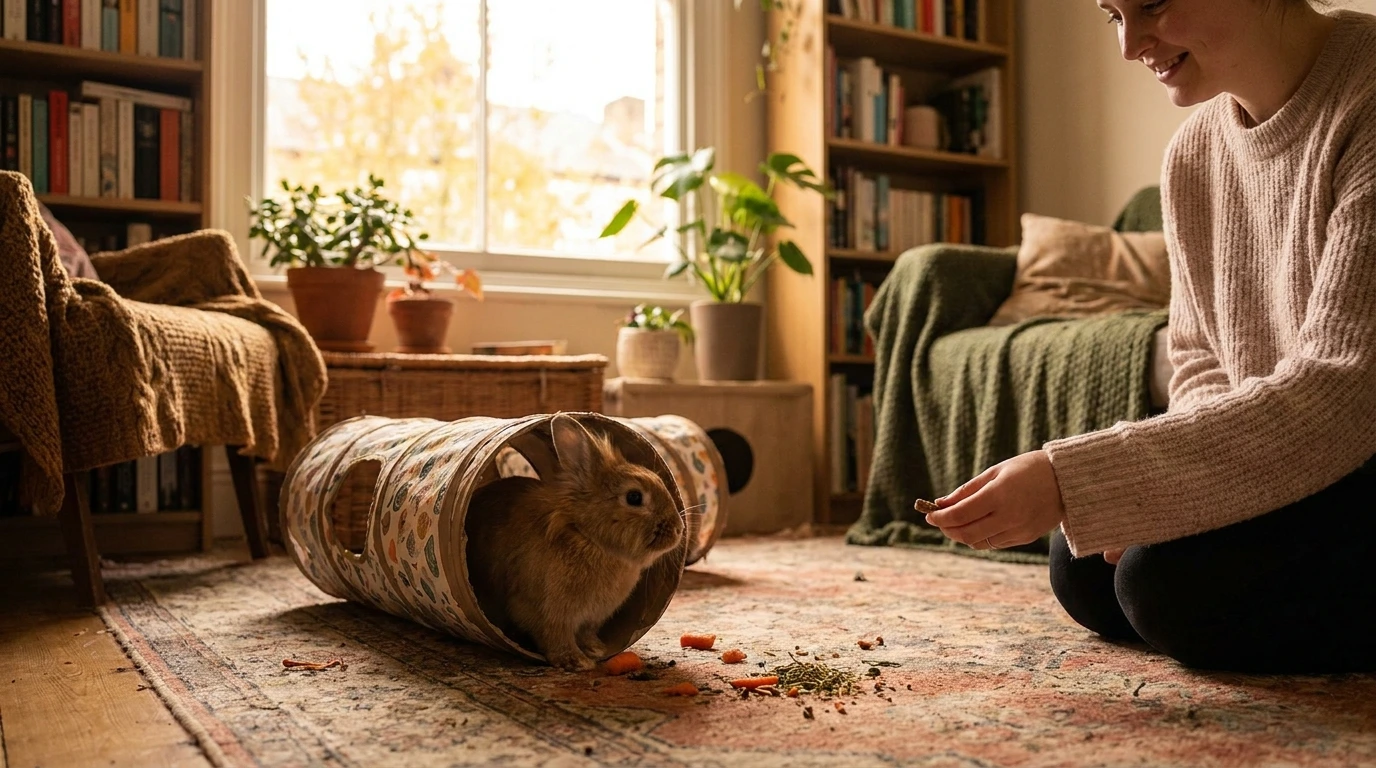
Place your rabbit’s favorite treats inside the tunnel to entice them to explore. This rewards them for using the tunnel and helps associate it with positive experiences. Try using small pieces of vegetables or specially formulated rabbit treats to motivate them.
Play Together
Engage in interactive play with your rabbit. You can kneel beside the tunnel and gently encourage them to hop through using your voice or by tossing treats. Your involvement can make the experience more enjoyable for your rabbit, fostering trust and a stronger bond.
Final Thoughts
Building a DIY rabbit tunnel from cardboard tubes is a rewarding project that provides your pet with a fun and enriching environment. Not only does it stimulate their natural instincts, but it also allows you to bond with your rabbit through creative play. By following the steps outlined and ensuring the safety of your pet, you can create a custom tunnel that your rabbit will love. Remember to regularly check the condition of the tunnel and replace it as necessary, ensuring a safe and engaging play area for your furry friend.
Conclusion
In summary, a DIY rabbit tunnel made from cardboard tubes is a simple yet effective way to enrich your rabbit’s home. By understanding your rabbit’s natural behaviors and providing a safe, engaging environment, you can enhance their quality of life. With creativity and care, this project not only benefits your pet but also brings joy and satisfaction to you as an owner. Dive into this DIY adventure and watch your rabbit thrive!