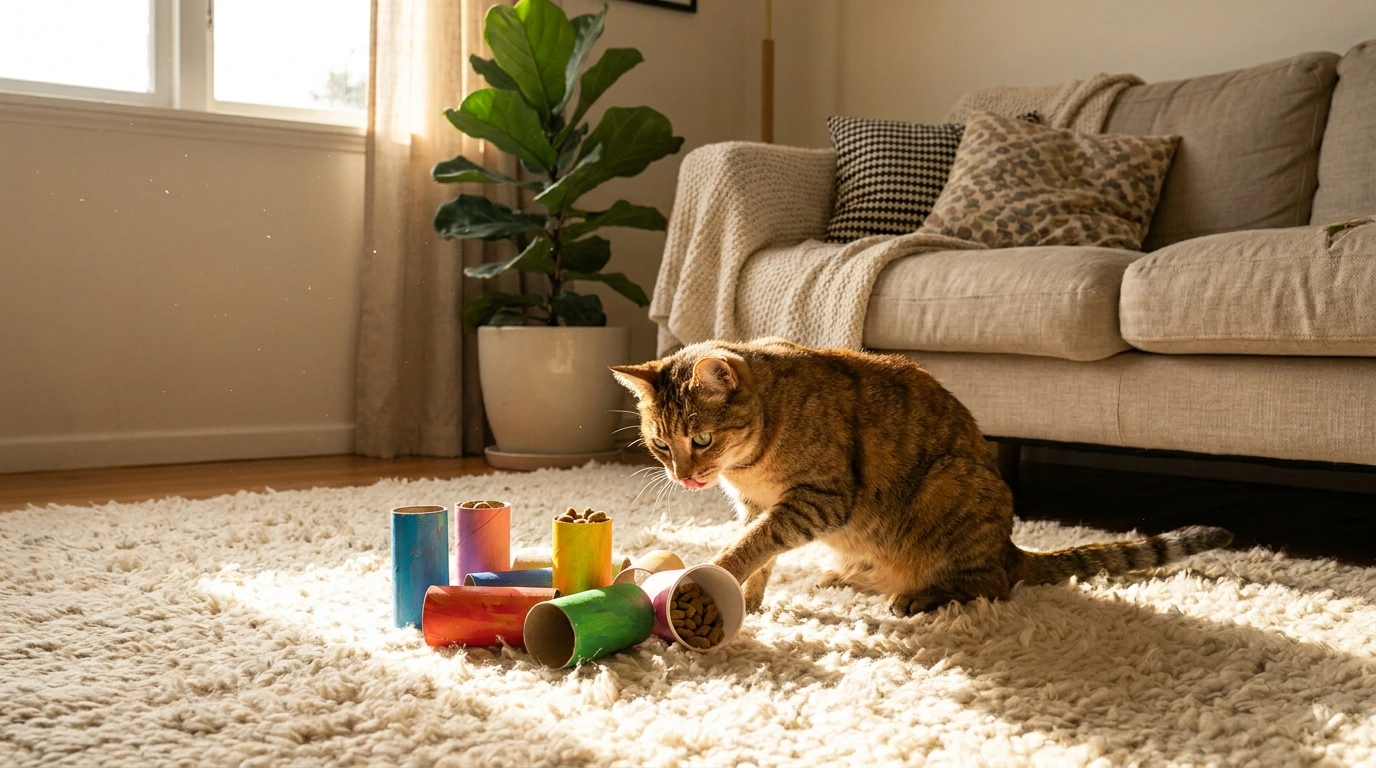
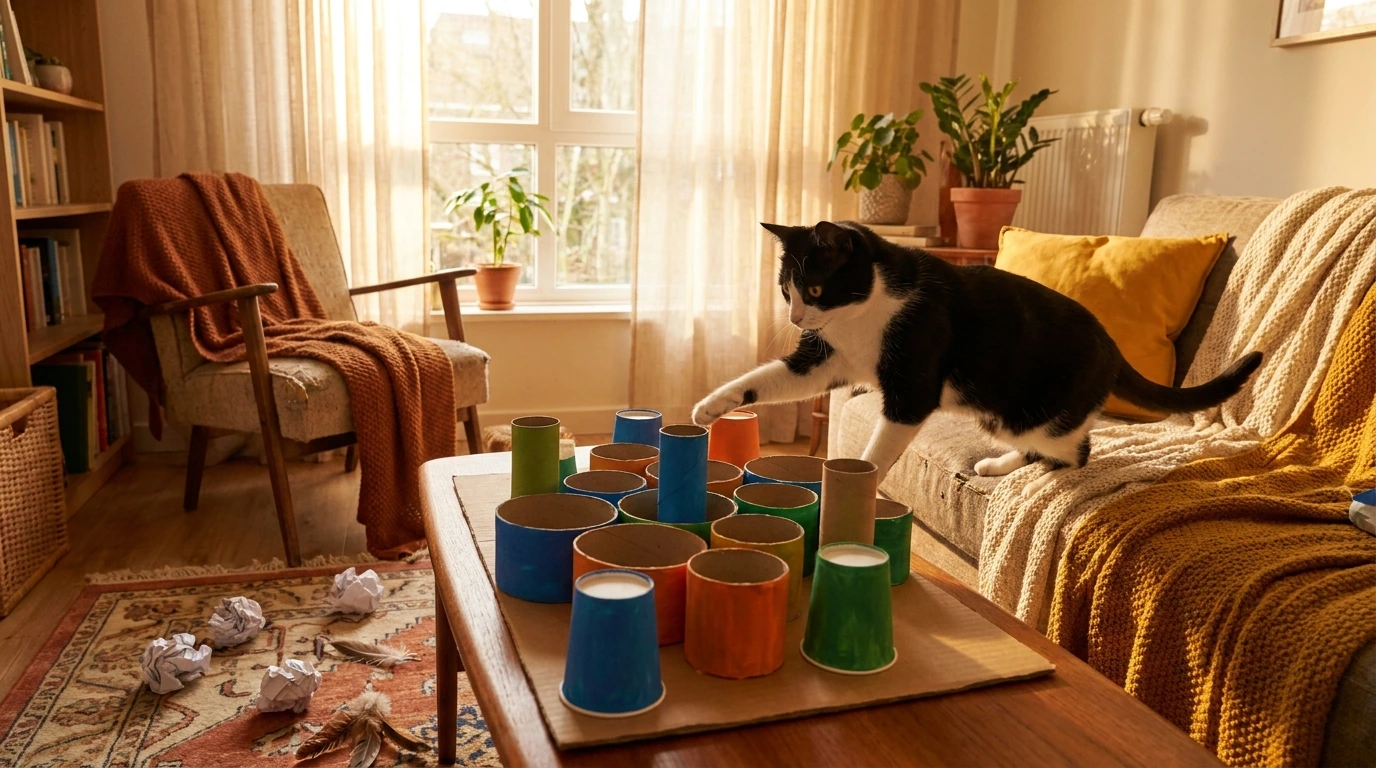
Creating a DIY cat feeder puzzle using cardboard cups is a fantastic way to engage your feline friend while promoting mental stimulation and slowing down their eating. This interactive project combines fun and functionality, ensuring your cat enjoys mealtime while also providing an enriching activity. Not only is this DIY feeder easy to make, but it also repurposes materials you likely have at home, making it an eco-friendly option for pet care enthusiasts.
Why This DIY Project Is Perfect for Your Cat
Cats are natural hunters, and their instincts drive them to explore and engage with their environment. A DIY cat feeder puzzle taps into these instincts, allowing your pet to work for their food. This method of feeding can reduce boredom, prevent overeating, and provide a sense of accomplishment as they solve the puzzle to reach their treats. Plus, it’s a great way to bond with your cat as you watch them interact with the puzzle.
Understanding Your Cat’s Behavior
Before diving into the project, it’s essential to understand how cats think and behave. Cats are curious creatures that enjoy problem-solving activities. By offering a feeding puzzle, you’re catering to their natural behaviors, which can reduce anxiety and encourage physical activity. A cardboard cup puzzle can mimic hunting scenarios, making mealtime more enjoyable.
What You’ll Need
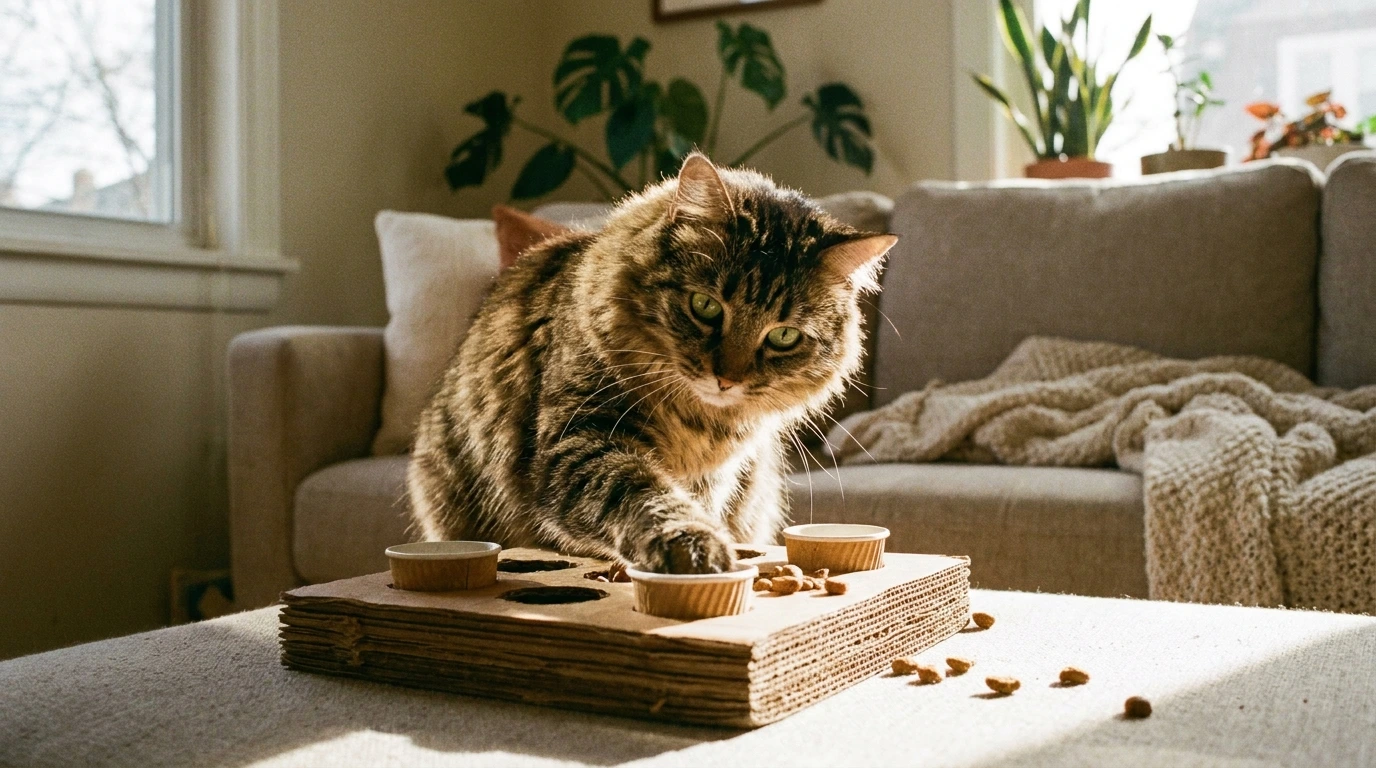
Gathering materials for your DIY cat feeder puzzle is simple and cost-effective. Here’s what you’ll need:
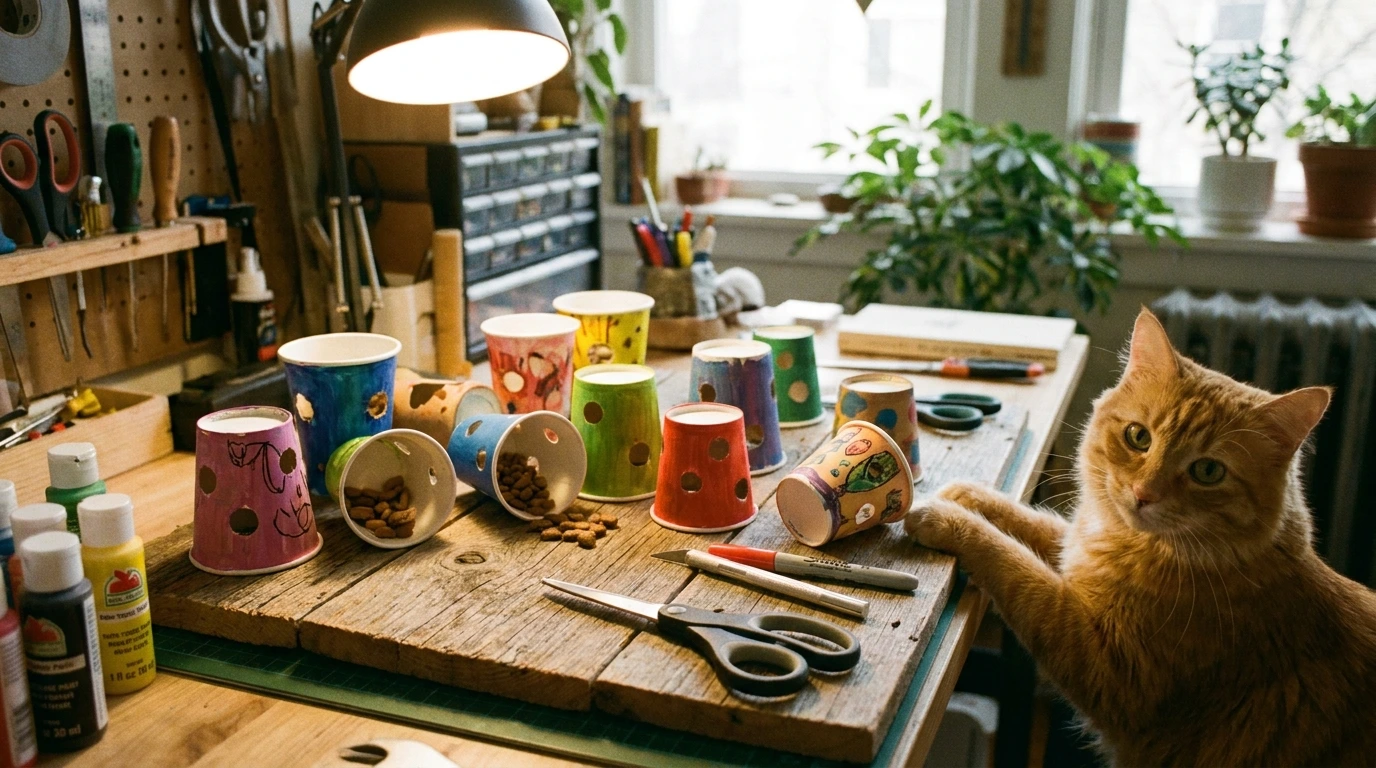
Several cardboard cups (like those from coffee shops or takeout) A sturdy base (like a wooden board or thick cardboard) Non-toxic markers or paint for decoration (optional) Cat treats or dry kibble Scissors or a craft knife Glue or tape (optional for securing the cups)
Choosing the Right Cardboard Cups
When selecting cardboard cups, consider their size and sturdiness. Larger cups can hold more treats, but smaller cups may be more challenging for your cat to manipulate. Ensure that the cups are clean and free from any chemical residues. You can also choose cups with fun designs to make the feeder visually appealing.
Step-by-Step Instructions
Building your DIY cat feeder puzzle is straightforward. Follow these steps to create an engaging feeding experience for your feline friend:
Step 1: Prepare the Base
Start by cutting your sturdy base to a suitable size, ensuring it’s large enough to hold multiple cups. A rectangular or square shape works best. If you’re using cardboard, make sure it’s thick enough to support the weight of the cups when filled with treats. If you prefer a wooden board, sand the edges to avoid any splinters.
Step 2: Arrange the Cups
Place the cardboard cups on the base in a layout that encourages exploration. You can arrange them in a straight line, a circle, or a random pattern. Leave enough space between the cups so your cat can easily reach them. Experiment with different arrangements to see what excites your cat the most!
Step 3: Secure the Cups (if needed)
If you find that the cups may tip over easily, consider using glue or tape to secure them to the base. Ensure that any adhesive used is non-toxic and safe for pets. Allow the adhesive to dry completely before moving on to the next step.
Step 4: Fill the Cups with Treats
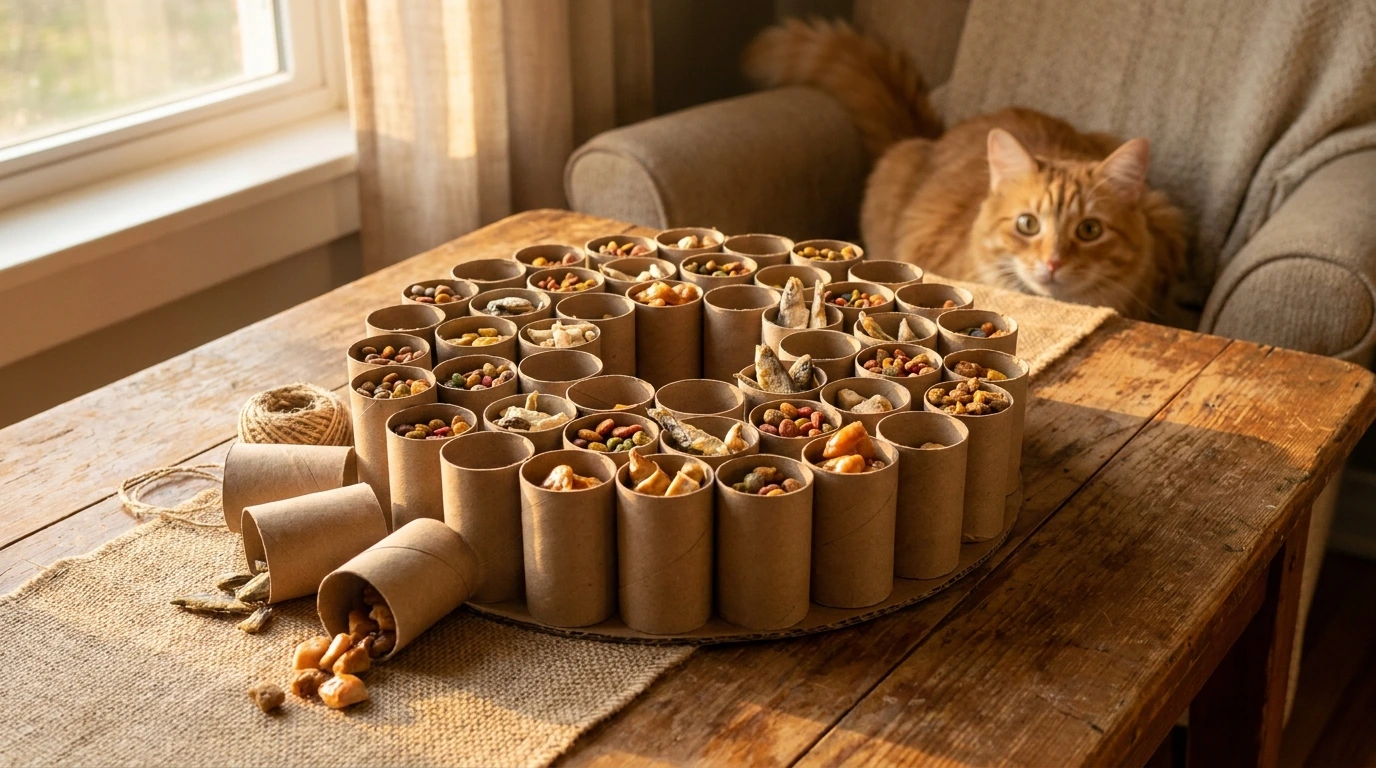
Fill each cup with your cat’s favorite treats or dry kibble. For added challenge, use different types of treats in each cup, enticing your cat to explore various flavors and textures. You can also vary the amount of food in each cup to create a unique challenge.
Safety Tips and Cleaning
While creating your cat feeder puzzle, safety should be your top priority. Here are some essential tips to ensure a safe and enjoyable feeding experience:
Ensure Non-Toxic Materials
Always use non-toxic materials when crafting your puzzle. Check for any harmful substances in the glue or paints you choose. If you’re unsure, stick to natural materials, such as cardboard and untreated wood.
Regularly Clean the Feeder
To maintain hygiene, regularly clean the feeder and replace any food that may have gone stale. Wash the cardboard cups with warm, soapy water and dry them thoroughly before refilling. This practice will help prevent bacterial growth and keep your cat healthy.
Fun Ways to Customize It
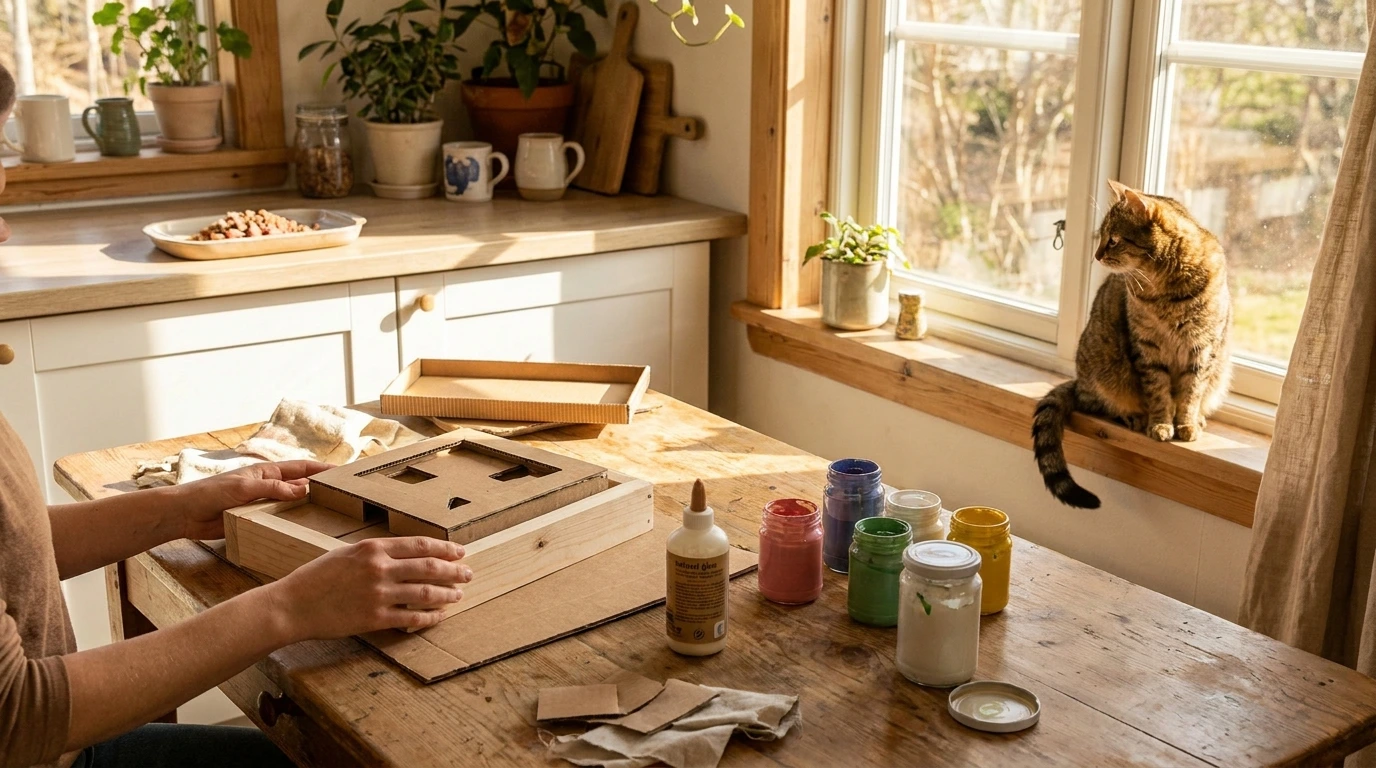
Now that you’ve created the basic structure of your cat feeder puzzle, consider personalizing it to make it even more engaging. Here are some fun customization ideas:
Decorate with Non-Toxic Paints
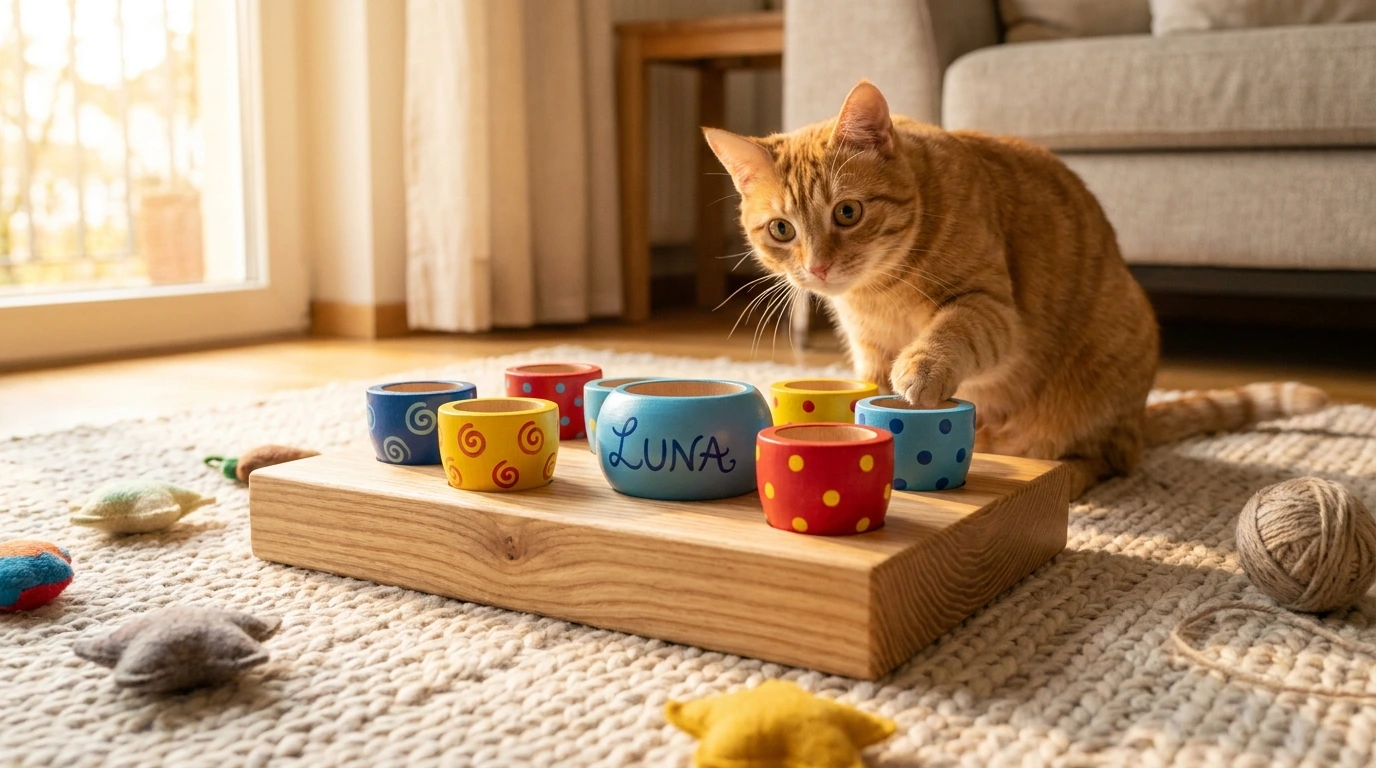
Use non-toxic paints or markers to add colors and designs to the cups and base. You can create fun patterns, or even write your cat’s name on it. Vibrant colors can attract your cat’s attention and make mealtime more exciting.
Create Different Difficulty Levels
Vary the difficulty of the puzzle by adjusting the height of the cups or the number of treats inside. You can also cover some cups partially with cardboard to create a challenge that requires your cat to paw at the cups to retrieve the food. This will keep them engaged and mentally stimulated.
Encouraging Your Cat to Use the Feeder
Introducing your cat to the new feeder puzzle may take some time. Here are some tips to encourage them to engage:
Start Slow
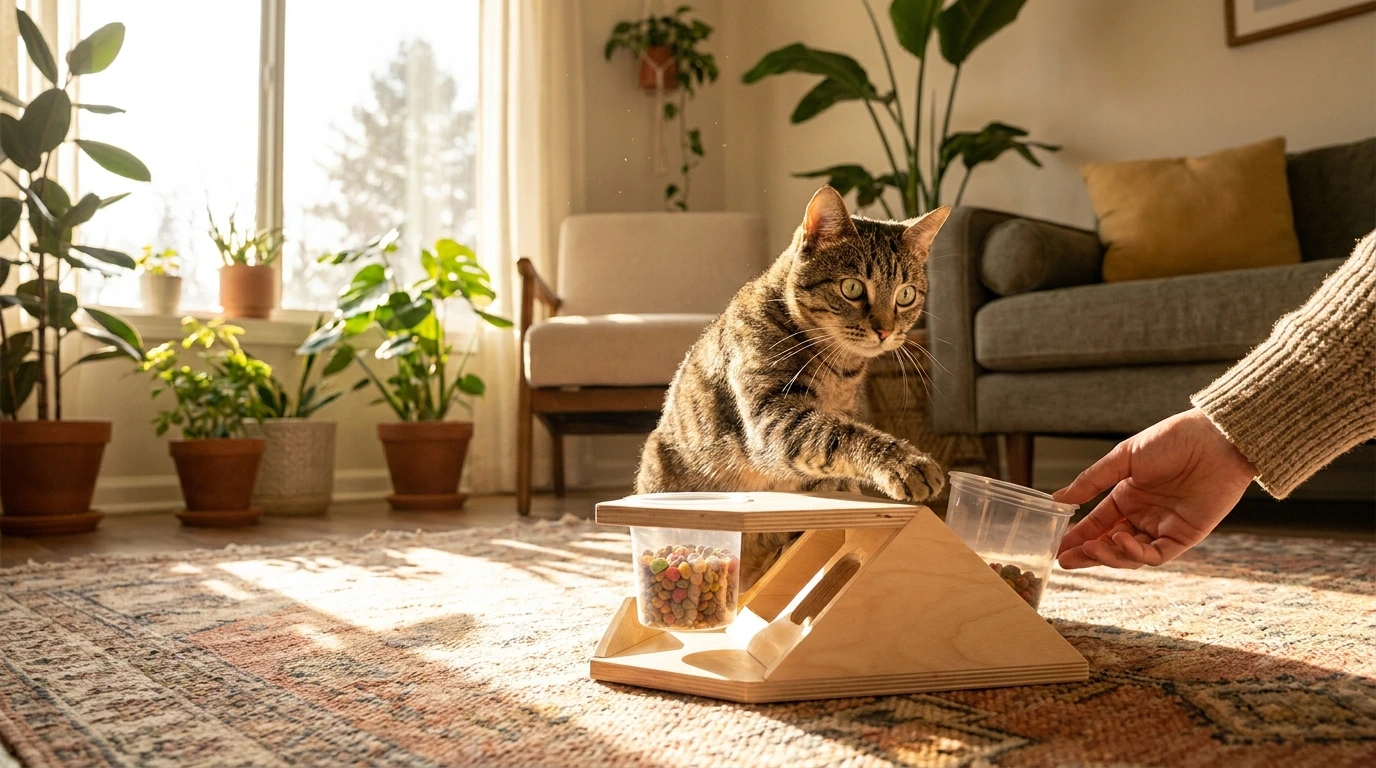
Initially, place the feeder in a familiar spot where your cat usually eats. Allow them to investigate the puzzle at their own pace. You can also demonstrate how to use the feeder by lightly tapping the cups to make the treats move, enticing your cat’s curiosity.
Use Positive Reinforcement
When your cat successfully retrieves a treat from the puzzle, offer praise and affection. This positive reinforcement will encourage them to keep exploring the puzzle. You might also consider using their favorite treats to boost motivation.
Potential Challenges and Solutions
While creating and using a DIY cat feeder puzzle is a rewarding project, you may encounter some challenges. Here are common issues and how to address them:
Cats Ignoring the Puzzle
If your cat initially ignores the puzzle, try placing it near their favorite resting spot or incorporating familiar scents. Additionally, ensure the treats are enticing enough to draw their attention. If necessary, temporarily remove their regular food to encourage them to explore the puzzle.
Difficulty in Retrieving Treats
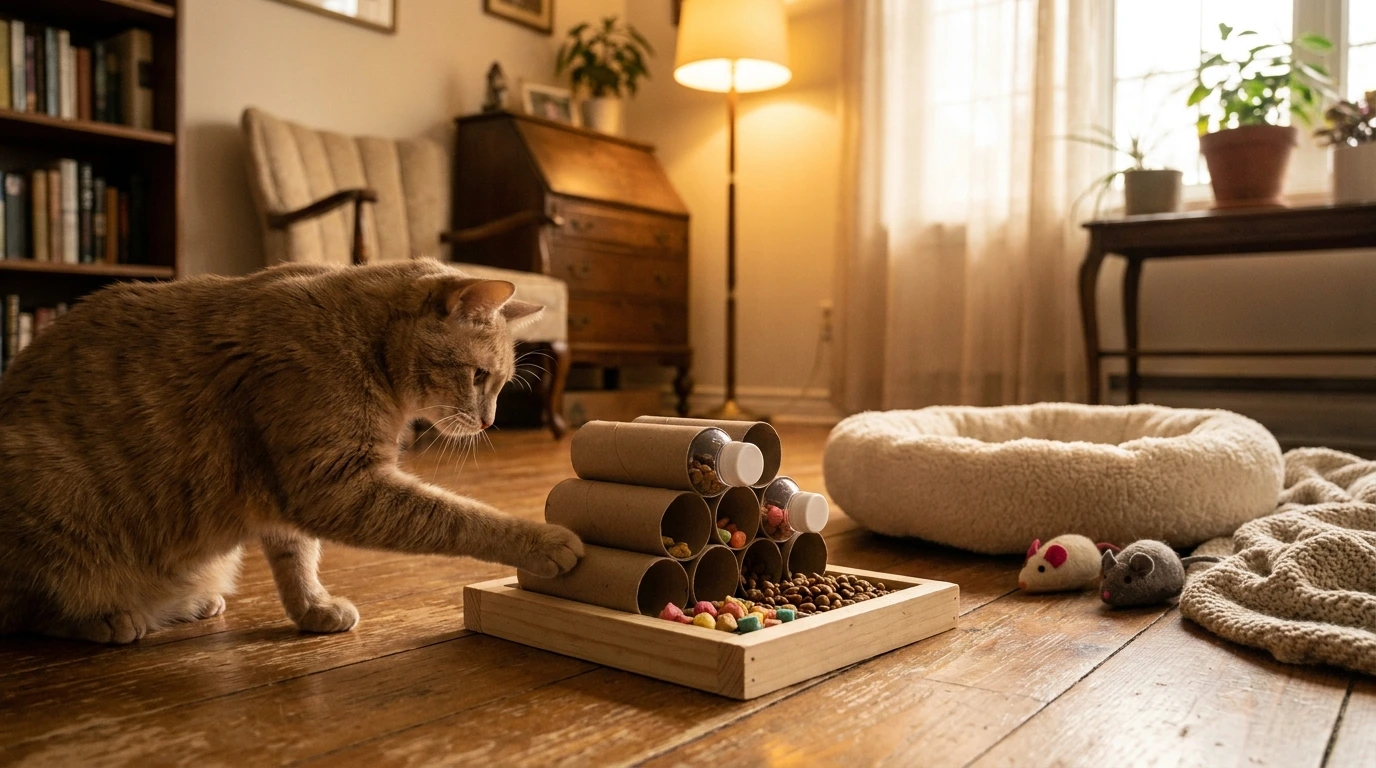
Some cats may struggle to get the treats out of the cups. If this happens, consider adjusting the height of the cups or using larger openings. You can also start by only filling the cups partially, making it easier for them to access the treats.
Final Thoughts
Creating a DIY cat feeder puzzle using cardboard cups is an excellent way to enrich your cat’s feeding experience while promoting mental stimulation and physical activity. With a bit of creativity and effort, you can transform simple materials into an engaging puzzle that keeps your feline friend entertained and satisfied. This project not only provides a fun challenge for your cat but also allows you to bond during the process. So gather your materials, let your imagination run wild, and enjoy watching your cat’s curiosity unfold!
Conclusion
In summary, a DIY cat feeder puzzle made from cardboard cups is a clever way to keep your cat engaged while encouraging them to use their natural instincts. With minimal materials and a few simple steps, you can create an interactive feeding experience that promotes mental stimulation, slows down their eating, and enhances your bond with your furry friend. Remember to customize the puzzle to suit your cat’s preferences and regularly maintain it for a safe and clean feeding environment. Your cat will thank you for the fun and tasty challenge!