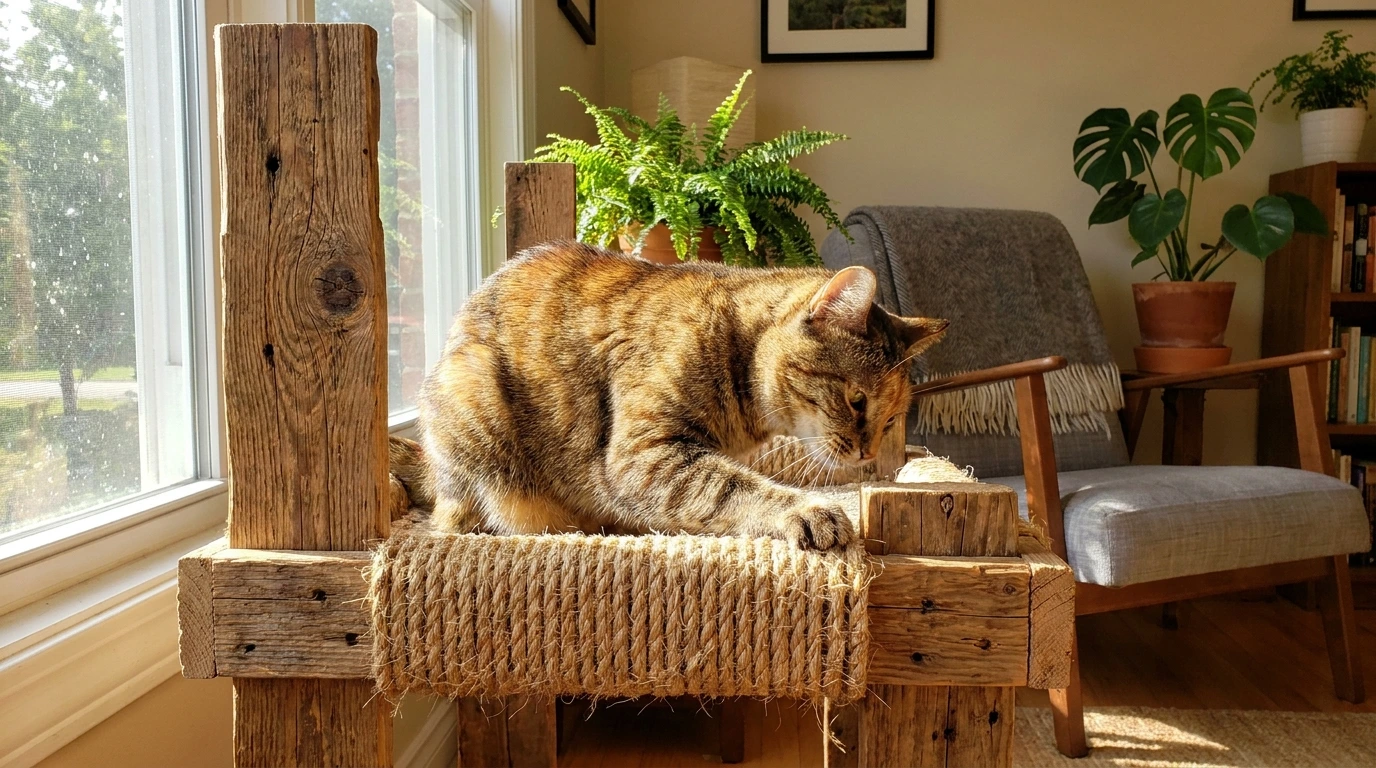
Creating a DIY cat scratcher frame with rope is a fantastic way to provide your feline friend with a designated space to scratch, stretch, and play. Not only does this project help protect your furniture, but it also offers a fun and engaging activity for your cat. This step-by-step guide will walk you through the process, ensuring that you have all the necessary materials and knowledge to craft a sturdy and stylish scratcher your cat will love.
Why This DIY Project Is Perfect for Your Cat
Scratching is a natural behavior for cats. They use it to maintain their claws, mark their territory, and stretch their muscles. A DIY cat scratcher frame allows you to create a customized solution that fits your home’s decor while providing your cat with an outlet for this important behavior. By making one yourself, you can choose the size, shape, and materials that best suit your pet’s needs and your design preferences.
Understanding Your Cat’s Scratching Needs
Before diving into the creation process, it’s essential to understand why cats scratch. They do so to shed old claw sheaths, stretch their bodies, and relieve stress. Providing a designated scratching area not only keeps your cat happy but also helps protect your furniture and carpets from damage. A well-made scratcher can also promote exercise and prevent boredom, enriching your cat’s environment.
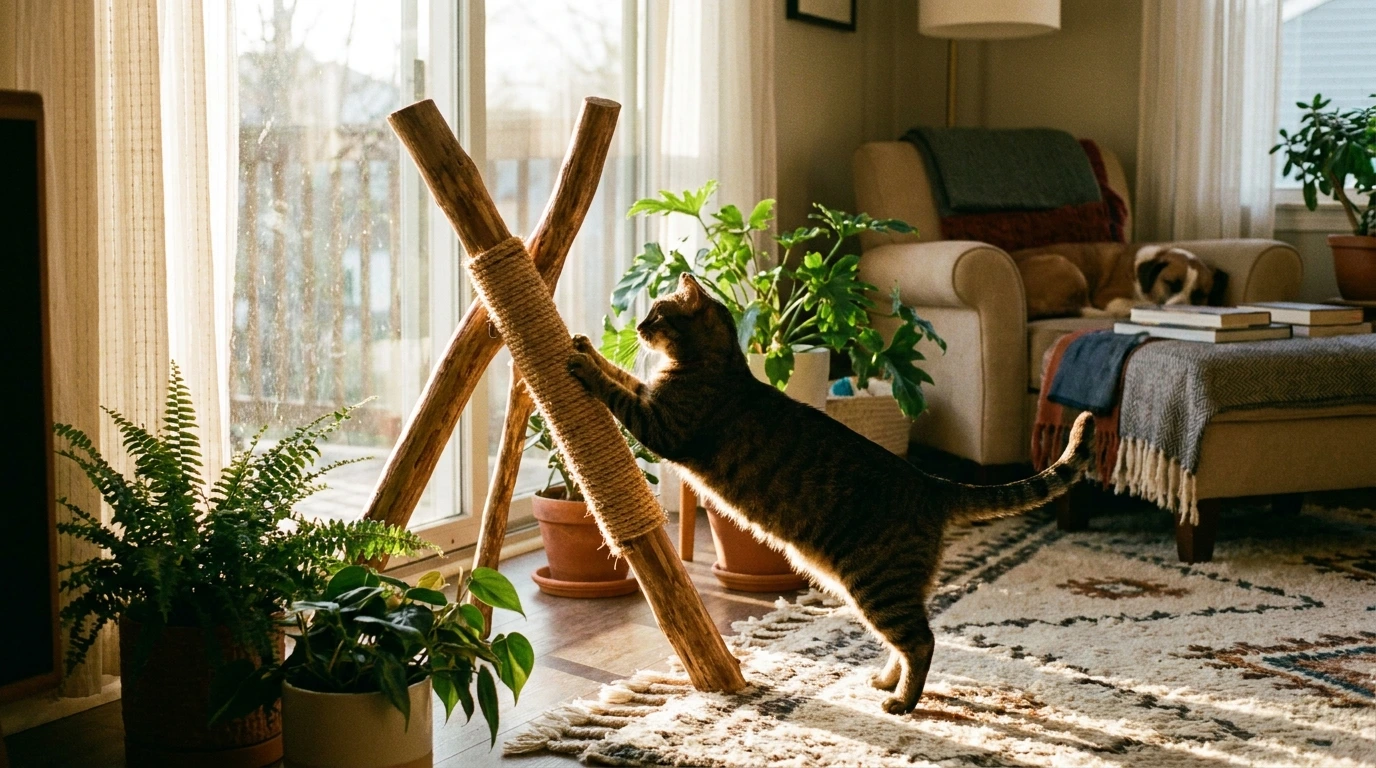
What You’ll Need
Gathering the right materials is crucial for creating a durable and attractive cat scratcher frame. Here’s a list of what you’ll need:
Materials
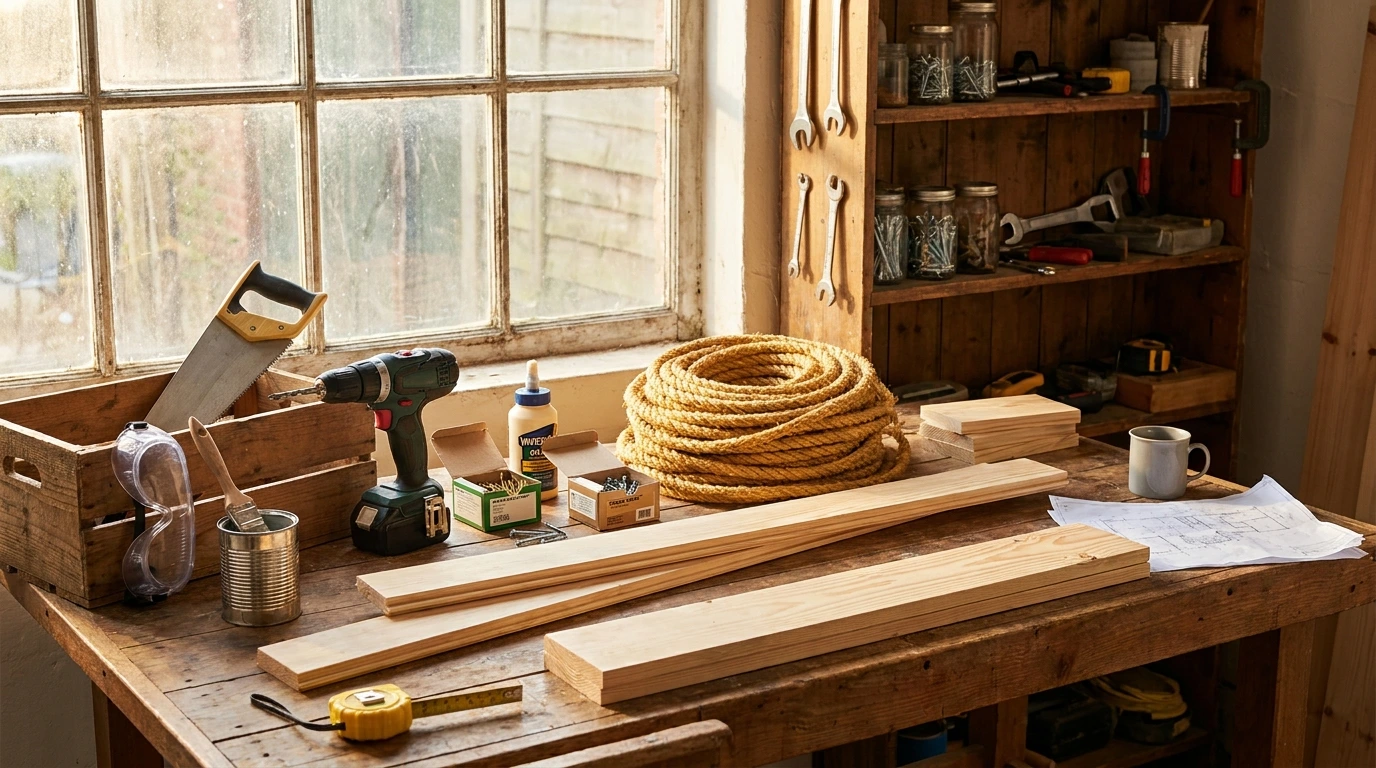
Wooden boards (for the frame) Rope (preferably sisal, as it is durable and safe for cats) Wood screws Wood glue Sandpaper Wood stain or paint (optional) Measuring tape Drill Saw (if cutting boards is necessary) Safety goggles Paintbrush (if staining or painting)
Choosing the Right Rope
Sisal rope is a popular choice for cat scratchers because it offers a rough texture that cats love to scratch. It’s durable, withstands wear and tear, and is safe for your pet. Avoid synthetic ropes, as they might not provide the same satisfaction for your cat and could pose a choking hazard if frayed. Look for a rope that is at least ¼ inch thick for optimal scratching.
Step-by-Step Instructions
Now that you have all your materials, let’s get into the step-by-step instructions for building your DIY cat scratcher frame.
Step 1: Measure and Cut the Wood
Decide on the dimensions of your scratcher frame based on your available space and your cat’s size. A good starting point is a base that is 24 inches long and 18 inches wide. Cut your wooden boards accordingly. You will need a top piece, a bottom piece, and two vertical side pieces. Use a saw, and remember to wear safety goggles for protection.
Step 2: Sand the Edges
After cutting the wood, sand down the edges and surfaces to remove any splinters or rough spots. This step is essential to ensure your cat won’t get scratched while using the scratcher. A smooth finish will also help any paint or stain adhere better if you choose to customize the appearance of the scratcher.
Step 3: Assemble the Frame
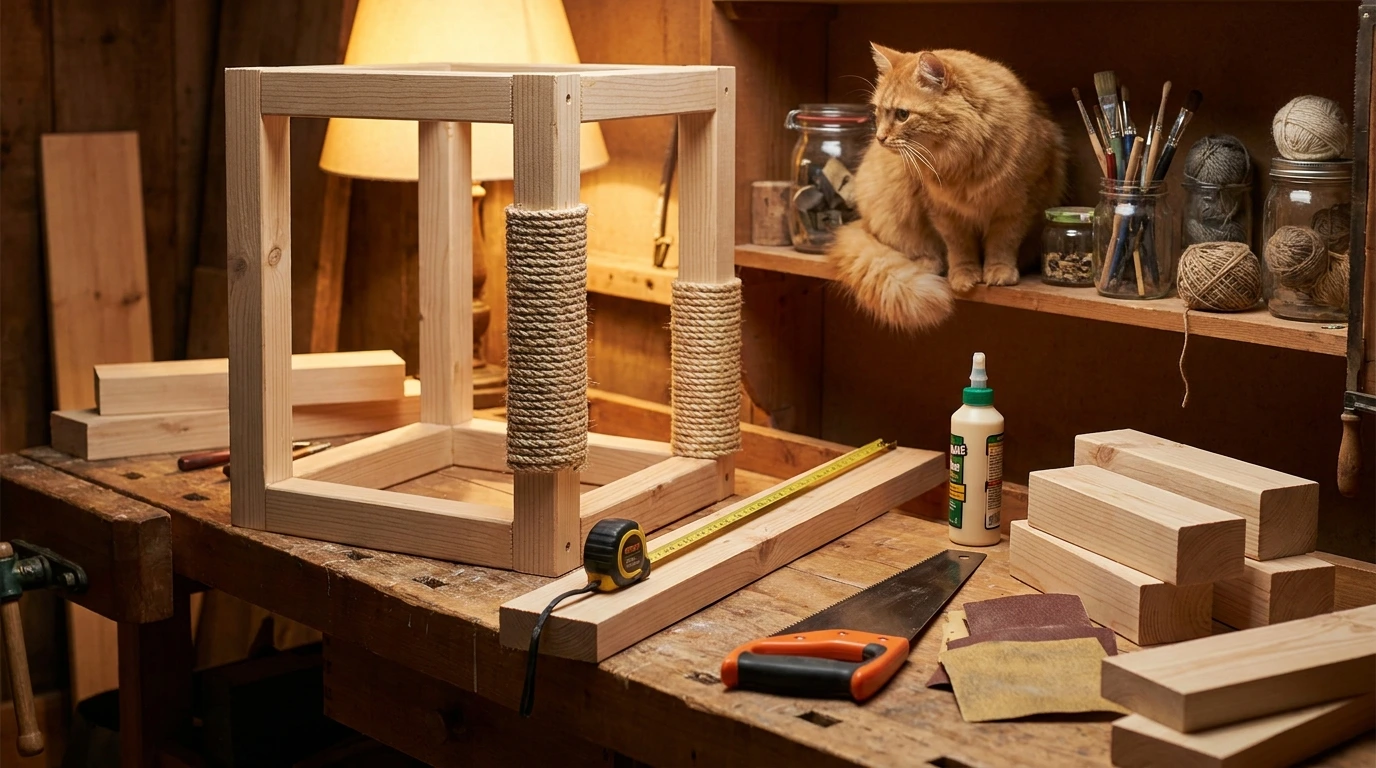
Begin assembling the frame by attaching the vertical pieces to the bottom piece using wood screws and wood glue for added stability. Make sure the corners are square and secure. Once the vertical pieces are attached, place the top piece on and secure it in the same manner. This creates a sturdy base for your scratcher.
Step 4: Attach the Rope
Start wrapping the sisal rope around the vertical posts of the frame. Begin at the bottom and work your way up, securing the rope with wood glue every few inches to prevent it from unraveling. Ensure the rope is tight and evenly spaced. You can also wrap the rope horizontally across the top for added scratching surfaces.
Step 5: Add Finishing Touches
If you wish to personalize your scratcher, now is the time to apply wood stain or paint. Choose a color that matches your home decor, and allow it to dry completely before proceeding. You can also add non-slip pads to the bottom of the scratcher to prevent it from sliding around on hard floors.
Safety Tips and Cleaning
Ensuring your cat’s safety while using the scratcher is paramount. Here are a few tips to keep in mind:
Inspect for Loose Parts
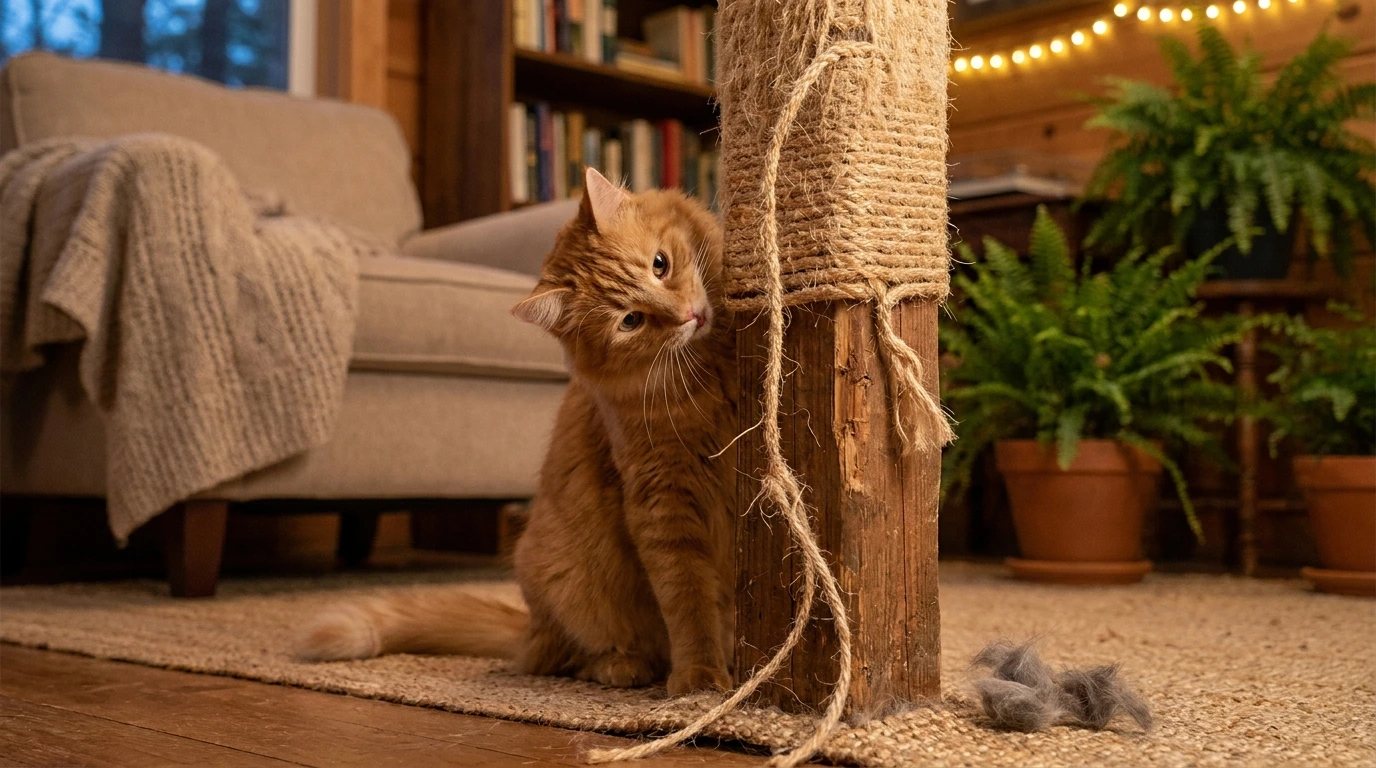
Regularly check the scratcher for any loose or frayed rope sections. Cats can get caught in loose threads, so it’s important to replace or repair any damaged areas promptly. Periodically tightening the rope can help maintain its integrity.
Safe Materials
Always use pet-safe materials for your scratcher. Avoid toxic paints or finishes, and ensure that the wood is untreated. Cats have a tendency to chew on their toys, so it’s essential that everything is safe for them to interact with.
Cleaning and Maintenance
To keep the scratcher clean, regularly vacuum any loose fur or debris. You can spot clean with a damp cloth if necessary. If the rope becomes too worn, consider re-wrapping it or replacing it altogether to keep your cat engaged with their scratcher.
Fun Ways to Customize It
Your DIY cat scratcher doesn’t have to be just functional; it can also be a stylish addition to your home. Here are some creative ideas for customization:
Colorful Rope Options
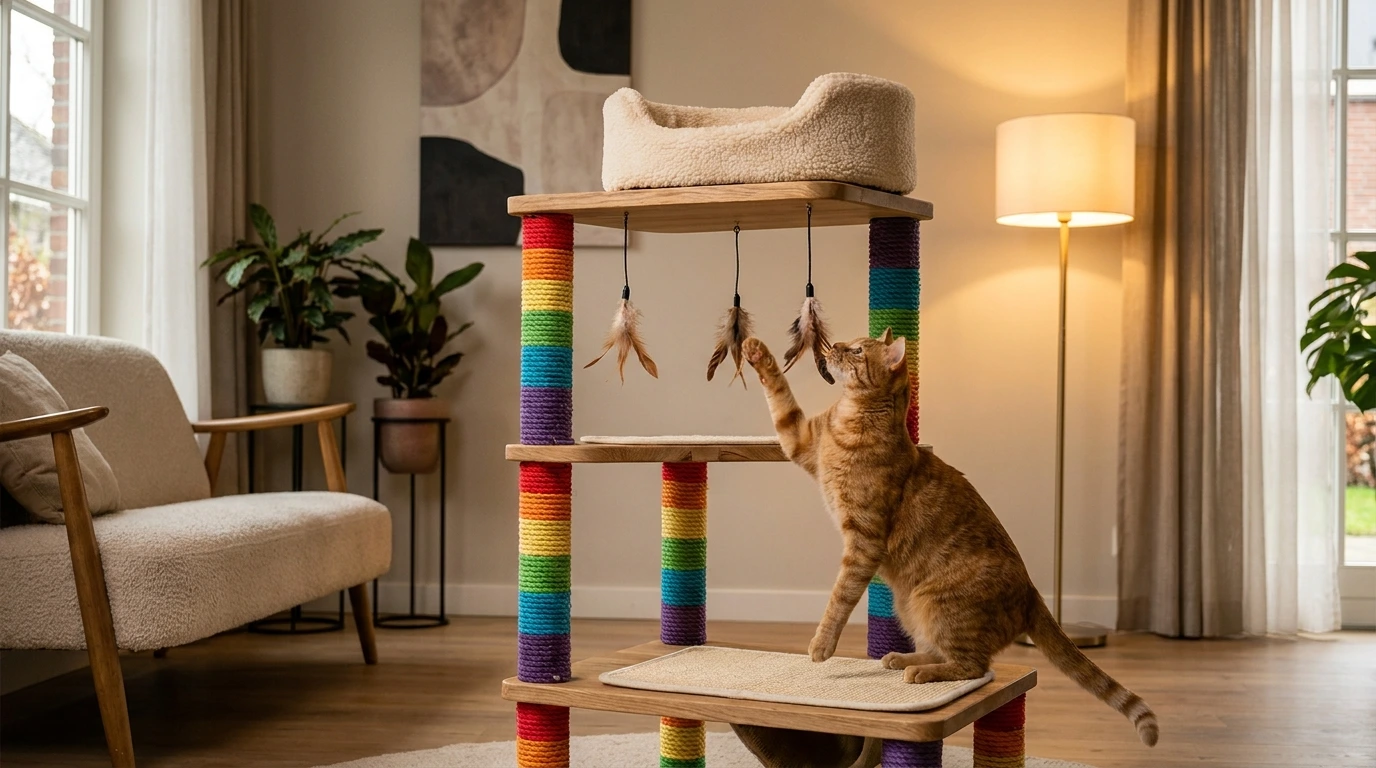
Instead of traditional natural sisal, look for colorful sisal rope or even fabric strips to wrap the frame. This can add a vibrant touch that complements your home decor and reflects your style.
Adding Toys
Consider attaching dangling toys to the top of the scratcher to entice your cat. Use sturdy materials to secure the toys, ensuring they are safe for your cat to play with. Cats love batting at toys, and this can make the scratcher even more engaging.
Integrated Cat Bed
If you have the space, create a multi-functional piece by adding a small cat bed on top of the scratcher. This allows your cat to scratch and then relax in a cozy spot, maximizing the use of the frame while providing comfort.
Final Thoughts
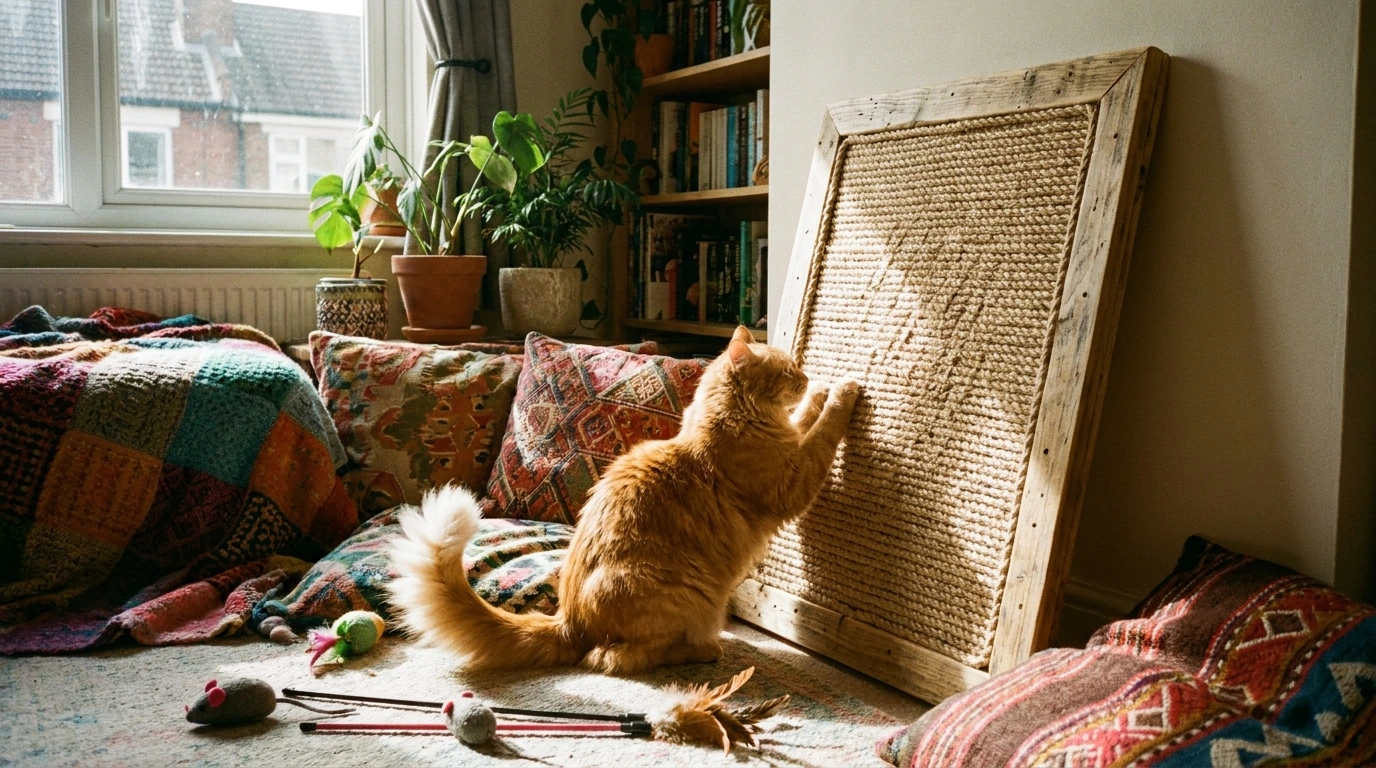
Building a DIY cat scratcher frame with rope is not only a rewarding project but also a great way to enhance your pet’s environment. By providing a designated scratching space, you’re helping to keep your home intact while also promoting your cat’s well-being and happiness. Take the time to customize the scratcher to fit your cat’s preferences and your style, and enjoy watching your feline friend revel in their new creation.
Conclusion
Creating a DIY cat scratcher frame with rope is a fulfilling and practical project that benefits both you and your cat. By following the steps outlined above, you can craft a durable and attractive scratcher that meets your cat’s natural scratching instincts. Remember to prioritize safety and maintenance to ensure that your scratcher remains a fun and engaging space for your pet. Not only will this project save your furniture from claw damage, but it will also provide your cat with a dedicated area for exercise and play.