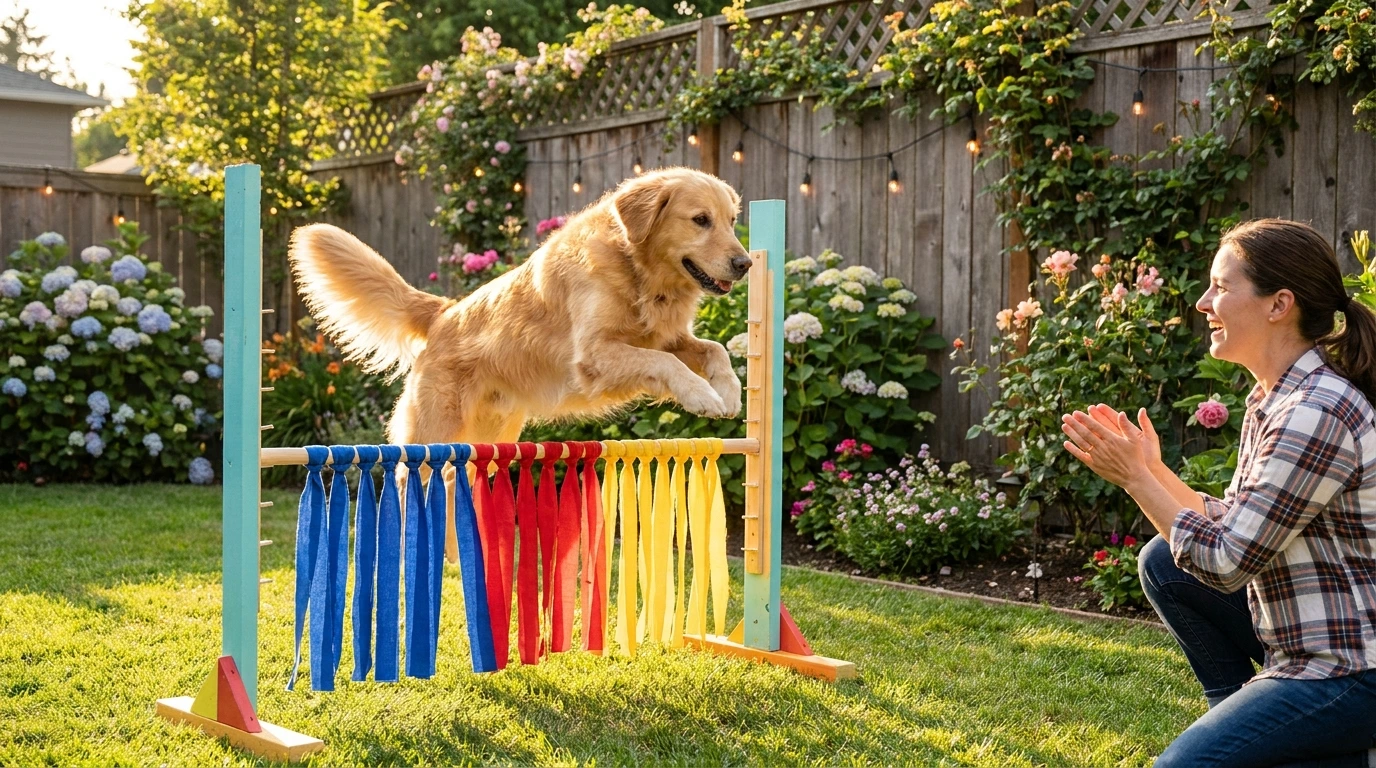
If you’re looking to engage your furry friend in a fun and physically stimulating activity, creating a DIY dog agility jump bar at home is an excellent project. Not only does it provide a great way for your dog to exercise, but it also enhances their training and strengthens your bond through play. This guide will walk you through the entire process, ensuring your canine companion has a blast while jumping over their very own agility bar.
Why This DIY Project Is Perfect for Your Pet
Agility training is a fantastic way to keep your dog physically active and mentally engaged. A DIY jump bar allows you to customize the height and style to suit your dog’s size and skill level. This project is perfect for dogs of all ages and breeds, helping to develop their coordination and confidence. Furthermore, building it yourself means you can control the materials and design, making it safe and tailored to your pet’s needs.
The Benefits of Dog Agility Training
Engaging in agility training not only provides physical exercise but also stimulates your dog’s mind. As they learn to jump over obstacles, they develop better focus, coordination, and problem-solving skills. Additionally, agility training can help reduce behavioral issues by channeling excess energy into a fun and productive activity.
What You’ll Need
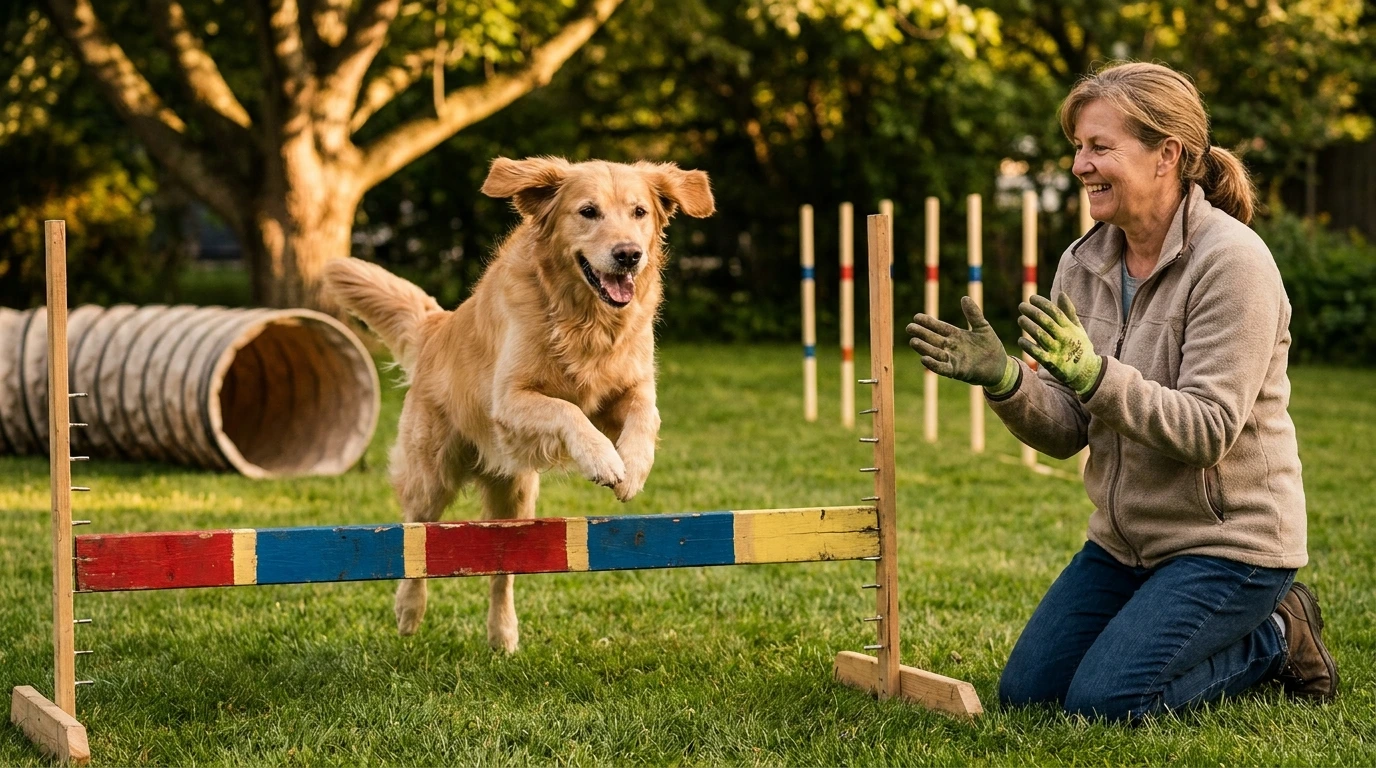
Before diving into the construction, gather all the materials. Ensuring you have everything at hand will make the process easier and more enjoyable.
Materials Required
To create a sturdy DIY jump bar, you will need the following materials:
PVC pipes (1-inch diameter) PVC pipe connectors (T-joints and elbows) Measuring tape Pipe cutter or saw Sandpaper (for smoothing edges) Colorful spray paint (optional, for aesthetics)
Tools Needed
Along with the materials, you will need some basic tools:
Measuring tape PVC cutter or hacksaw Drill (optional, for securing pipes) Marker (for marking measurements)
Step-by-Step Instructions
Now that you have all your materials and tools, it’s time to construct the jump bar. Follow these steps carefully for a successful build.
Step 1: Measure and Cut the PVC Pipes
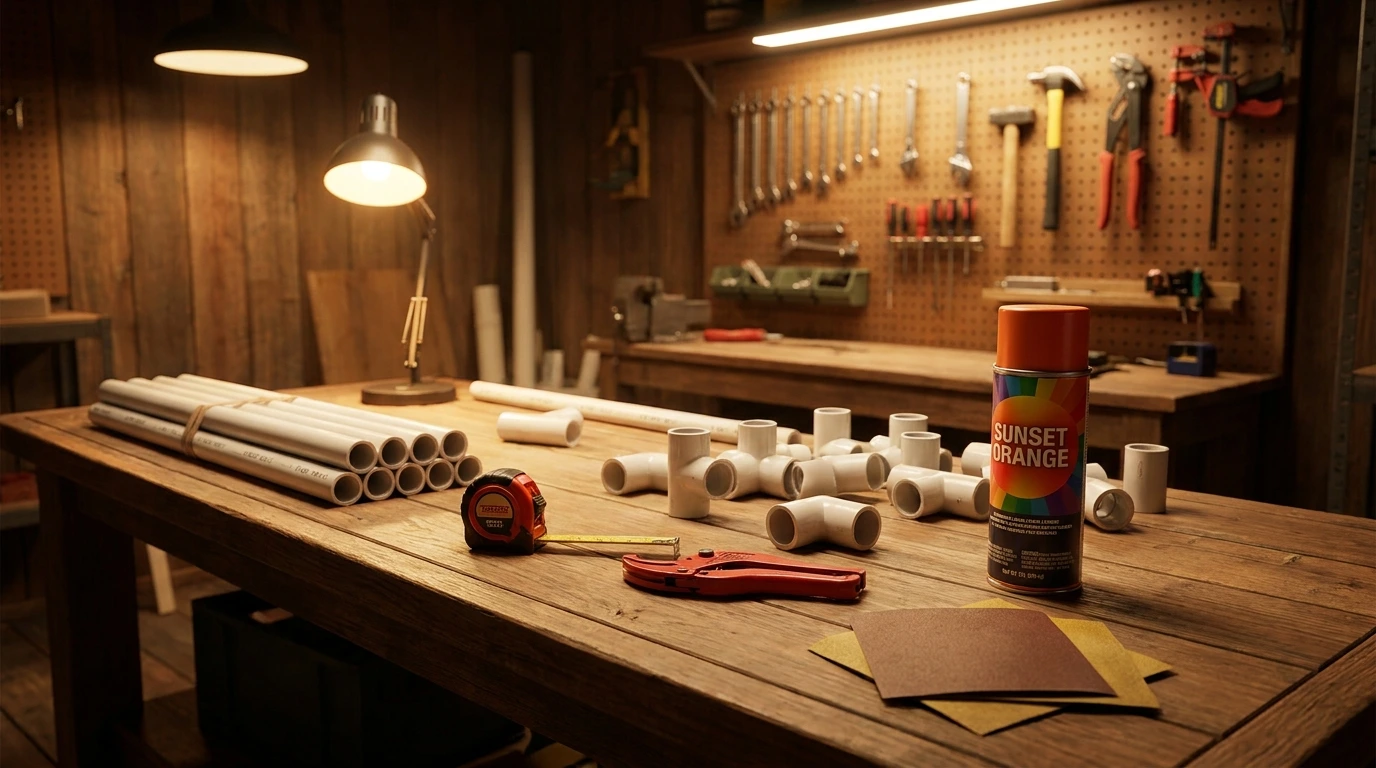
Decide on the height for your jump bar. A common height for small to medium dogs is around 12-18 inches, while larger dogs may need a height of 24-30 inches. Using your measuring tape, mark the PVC pipes accordingly and cut them into the following lengths:
2 pieces at the desired height (vertical supports) 1 piece for the horizontal jump bar (length can vary, typically 4-6 feet) 4 pieces for the base supports (around 2 feet each)
Step 2: Assemble the Base
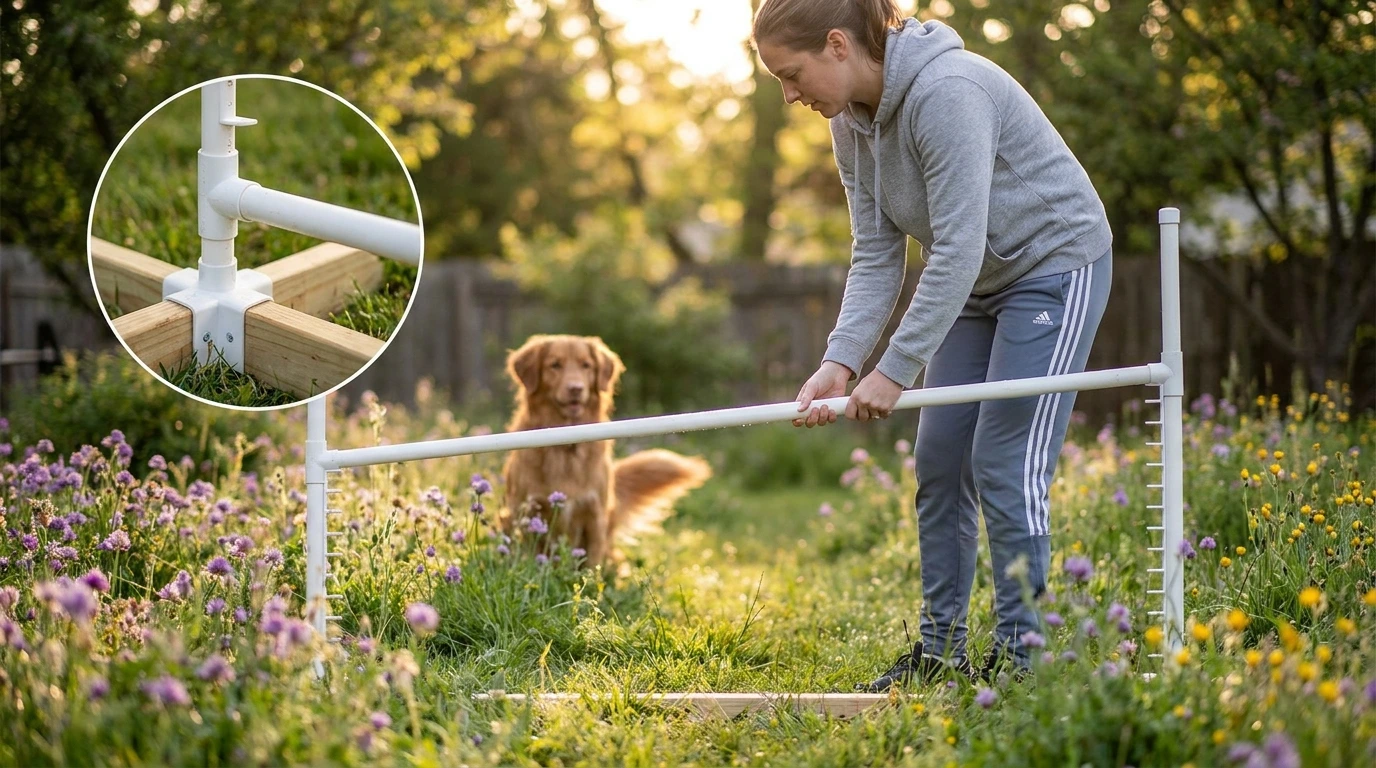
Using the T-joints, connect the vertical pieces to the base pieces. The T-joints will allow the vertical supports to stand upright while providing stability. Ensure that each connection is secure, and use sandpaper to smooth any rough edges that may harm your pet.
Step 3: Attach the Jump Bar
Once the base is assembled, it’s time to attach the horizontal jump bar. Use the elbow connectors at the top of the vertical supports to hold the bar securely. Make sure the jump bar is at the desired height and is level. If needed, drill small holes to secure the bar in place.
Step 4: Add Finishing Touches
If you want to personalize your jump bar, now is the time to spray paint it in bright colors. This not only makes it visually appealing but also helps you spot it easily in your yard or training area. Allow the paint to dry thoroughly before using it with your dog.
Safety Tips and Cleaning
While creating a DIY jump bar can be rewarding, safety should always be a priority. Here are some tips to ensure your pet’s safety during training sessions.
Ensuring Stability
Before allowing your dog to jump, ensure that the structure is stable and securely assembled. Give it a gentle shake to check for any wobbling. If it feels unsteady, consider adding weight to the base or re-evaluating the connections.
Regular Inspections
Regularly check the jump bar for any wear and tear, especially if it’s used frequently. Look for cracks in the PVC, loose connections, or any sharp edges that might have developed. Keeping the jump bar in good condition will prevent accidents.
Cleaning Tips
After each session, wipe down the jump bar with a damp cloth to remove dirt and debris. If it has been exposed to the elements, consider using a mild soap solution to clean it thoroughly. Always ensure that the jump bar is dry before storing it away or using it again.
Fun Ways to Customize It
One of the best parts of a DIY project is the opportunity to customize it to fit your dog’s personality and your backyard decor.
Adding Color and Patterns
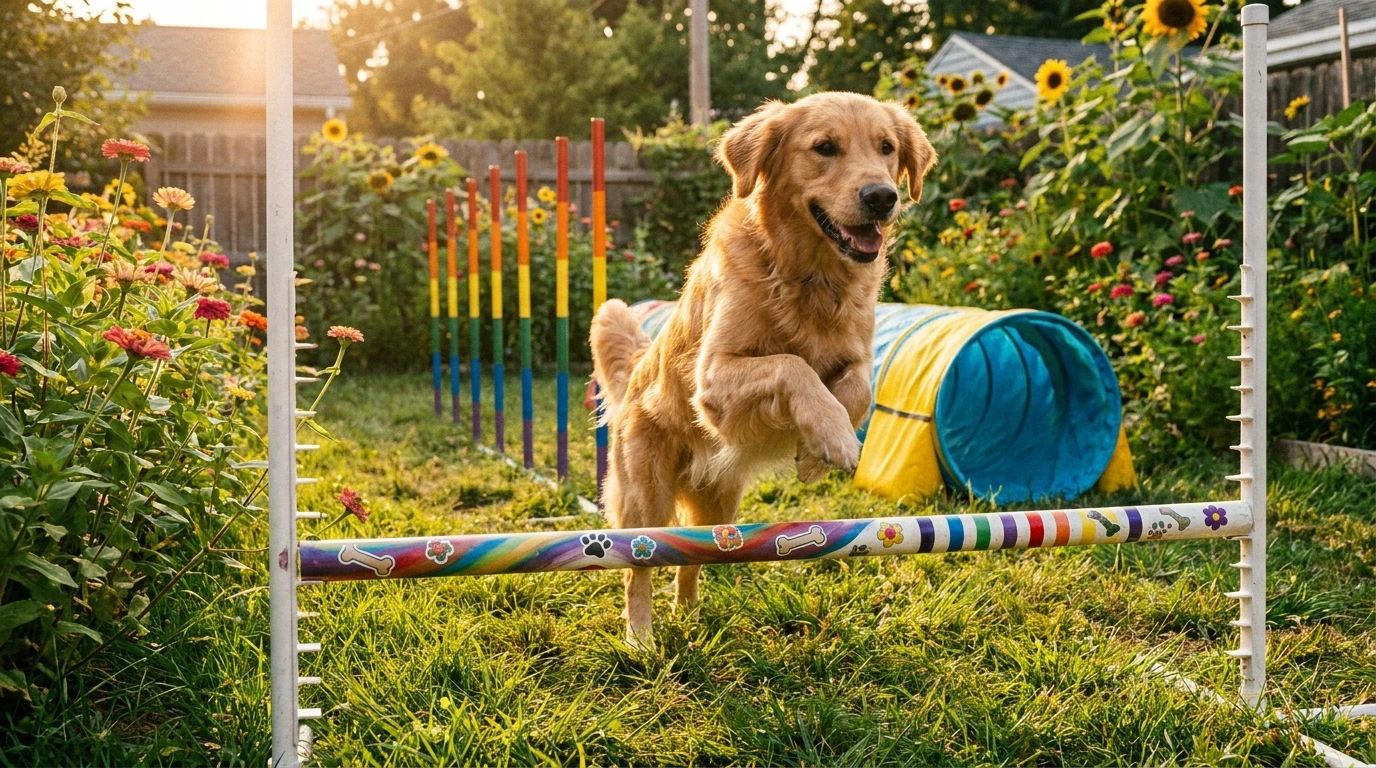
Use colorful spray paint or stickers to decorate the jump bar. You can create a theme based on your dog’s favorite colors or patterns. Adding fun designs can make training more exciting for both you and your pet.
Incorporating Additional Obstacles
Consider expanding your agility setup with additional obstacles like weave poles or tunnels. You can create a mini agility course in your backyard, which will keep your dog engaged and challenged. This not only enhances their jumping skills but also encourages them to navigate through various challenges.
Training Your Dog to Use the Jump Bar
Once your DIY jump bar is complete, it’s time to introduce your dog to it. Proper training is essential to ensure your pet can jump safely and confidently.
Start Slow
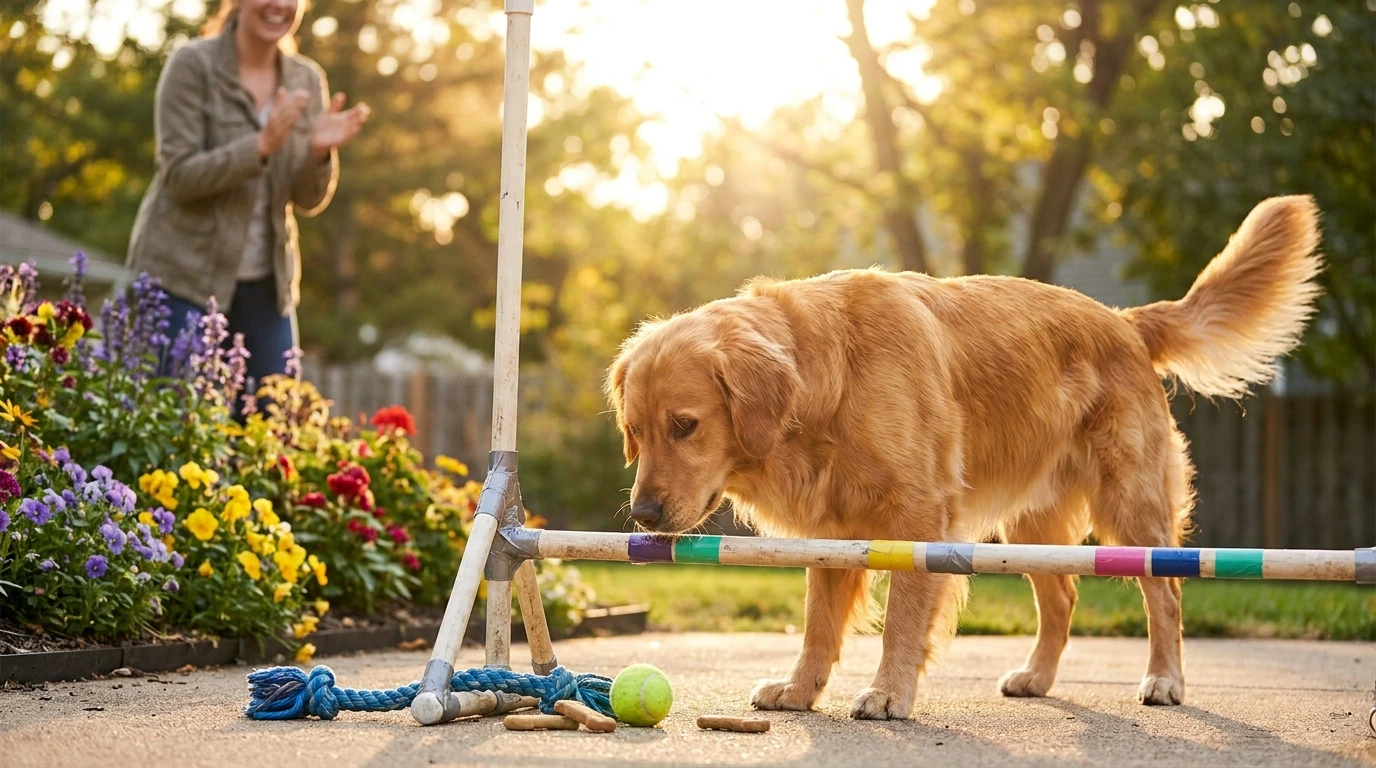
Introduce the jump bar gradually. Allow your dog to sniff and explore the jump bar before attempting any jumps. Use treats to encourage them to approach the bar and reward them for showing interest.
Use Positive Reinforcement
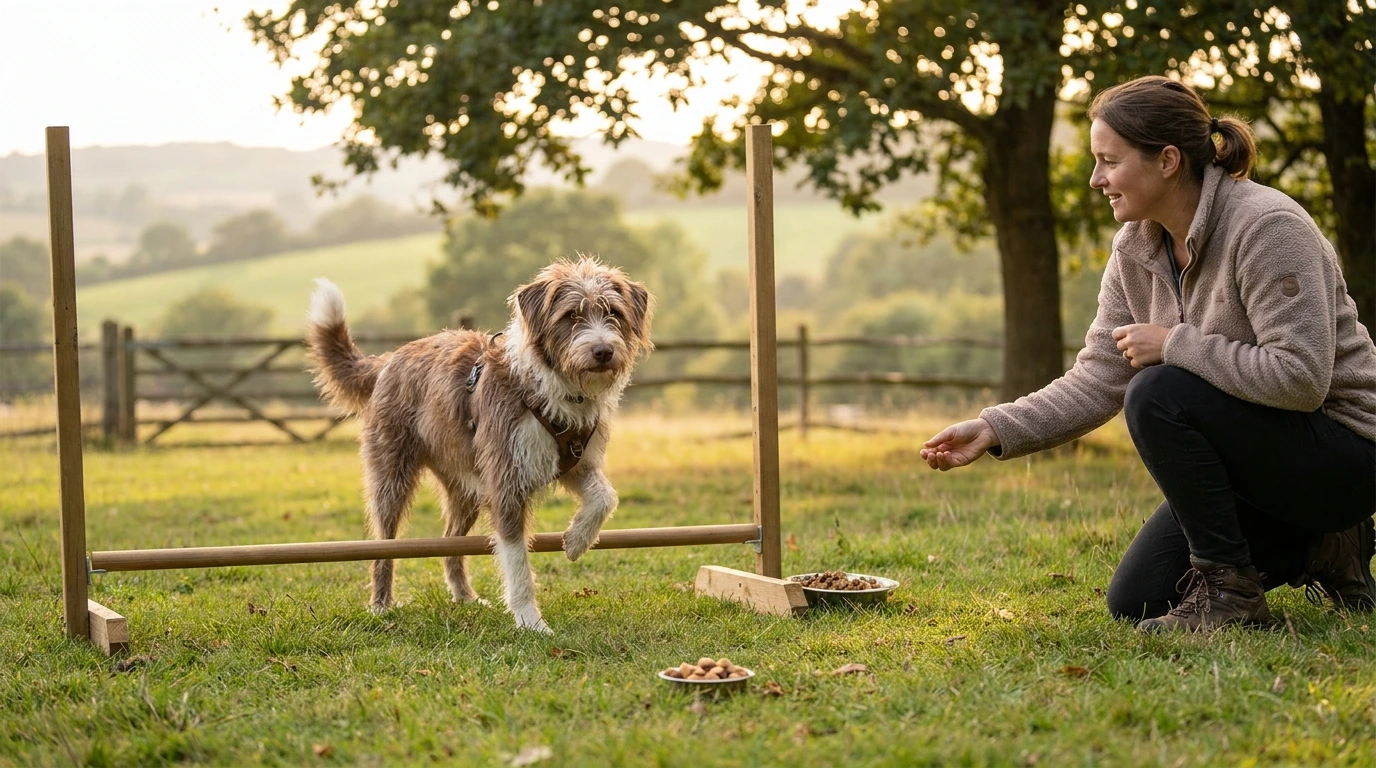
Start with the jump bar set low to the ground, and encourage your dog to jump over it using treats or toys. Praise them enthusiastically after each successful jump. Gradually raise the height as your dog becomes more comfortable with the jump.
Practice Consistently
Consistency is key in training. Schedule regular agility sessions and keep training sessions short and fun. This will help maintain your dog’s interest and enthusiasm for agility training.
Common Challenges and Solutions
While training can be a lot of fun, you may encounter challenges along the way. Understanding these common issues and knowing how to address them will make the process smoother.
Reluctance to Jump
If your dog seems hesitant or refuses to jump, assess the height of the jump bar. Lowering the bar may help build their confidence. Ensure that the environment is calm, and avoid forcing them to jump if they seem scared.
Losing Focus
Dogs can lose focus during training sessions, especially with distractions around. Choose a quiet and familiar location for training. Use high-value treats to keep their attention and make the training engaging.
Injury Prevention
Watch for signs of fatigue or discomfort during training. If your dog appears tired, take a break. Always warm up before training sessions and cool down afterward to prevent injuries.
Engaging with Your Dog Beyond Agility Training
Agility training is just one aspect of bonding with your dog. Finding additional ways to engage with your pet can further strengthen your relationship.
Incorporating Playtime
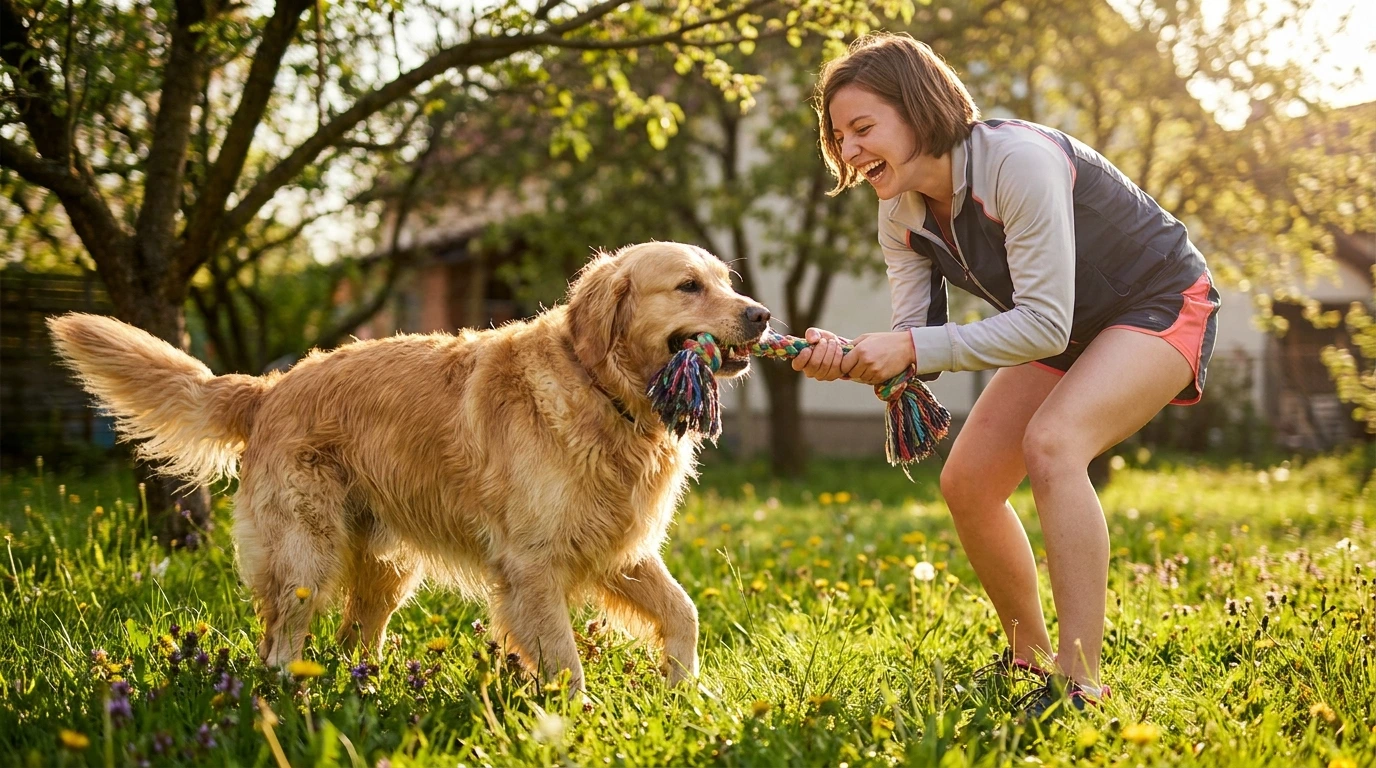
After agility training, spend time playing with your dog. Use their favorite toys for tug-of-war or fetch. This playtime reinforces your bond and keeps your dog active and happy.
Exploring New Activities
Consider exploring other canine sports or activities, such as obedience training, nose work, or even canine freestyle dancing. Each of these activities provides unique benefits and keeps your dog mentally and physically stimulated.
Conclusion
Creating a DIY dog agility jump bar at home is a rewarding project that can offer endless fun for both you and your pet. With a little creativity and patience, you can craft a safe and engaging jump bar that enhances your dog’s agility skills and strengthens your bond. Remember to prioritize safety, customize the setup to your liking, and most importantly, enjoy the time spent training and playing with your furry friend.