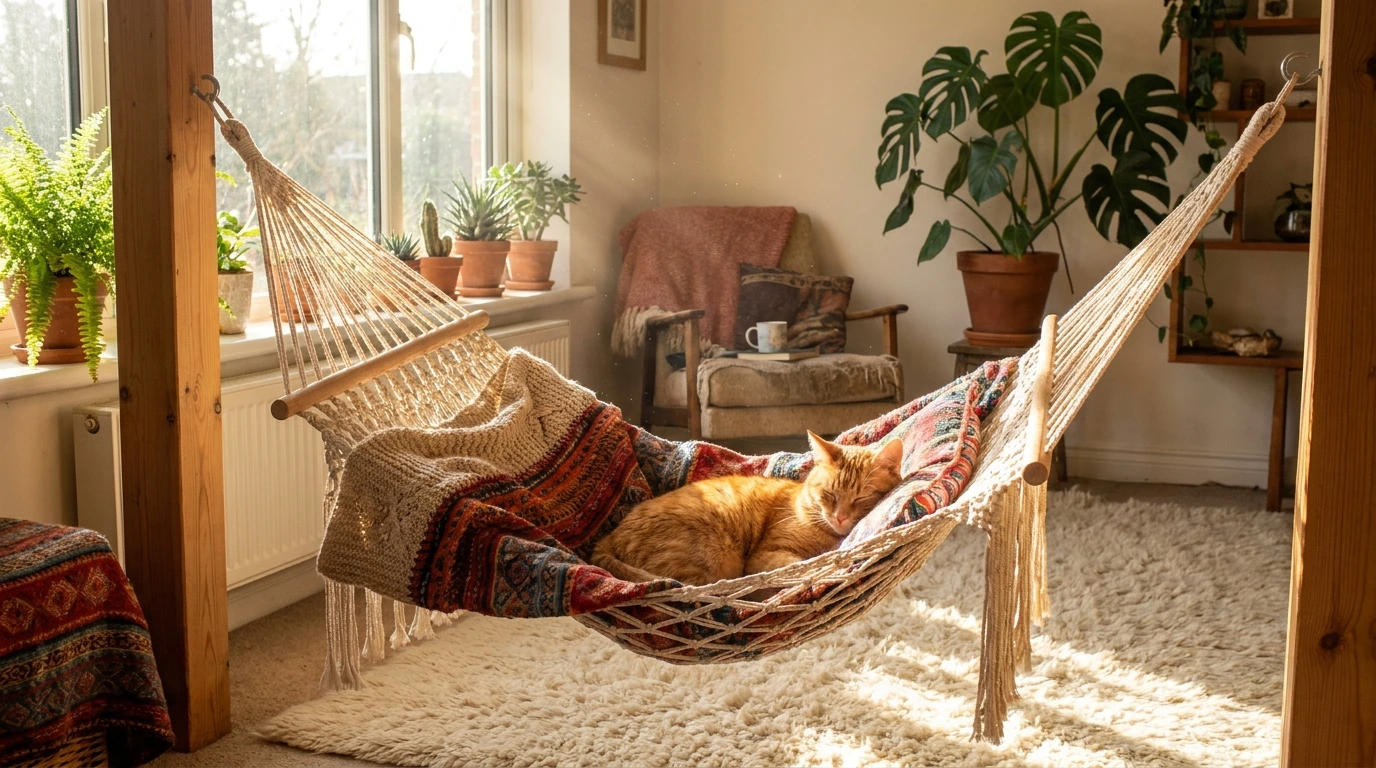
Creating a DIY cat hammock with a wooden frame is a delightful project that not only provides your feline friend with a cozy resting spot but also adds a charming decorative element to your home. Cats love to lounge and survey their surroundings, and a hammock offers them a perfect vantage point. This project allows you to combine functionality with creativity, ensuring your pet has a comfortable place to relax while you enjoy the satisfaction of making it yourself.
Why This DIY Project Is Perfect for Your Cat
A DIY cat hammock serves multiple purposes. First, it gives your cat a sense of security and comfort, as they tend to enjoy high places where they can observe their territory. Second, it encourages healthy lounging habits, keeping your pet off furniture or other surfaces you might want to preserve. Finally, a homemade hammock can be customized to fit your decor and your cat’s personality, making it both a practical and personal project.
The Benefits of a Cat Hammock
Cat hammocks promote relaxation and playfulness. They provide a soft, elevated spot for cats to nap and watch the world go by. Furthermore, being in a hammock can help reduce stress for indoor cats, offering them a sanctuary where they can feel safe. Adding a hammock to your home can also stimulate your cat’s natural instincts to climb and explore, contributing to their overall happiness.
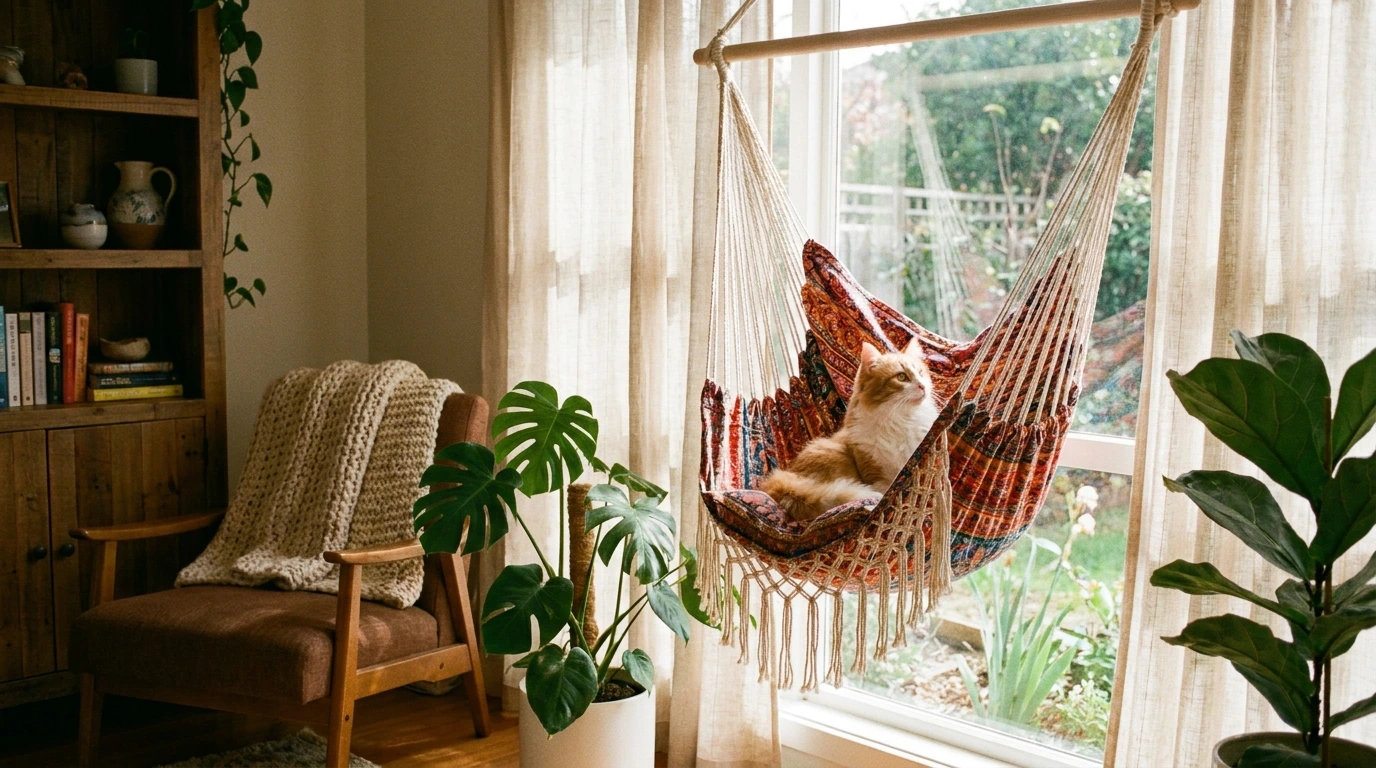
What You’ll Need
Gathering the right materials is crucial for a successful DIY project. Here’s a list of items you’ll need to create your wooden frame cat hammock:
Wood: Four pieces of 2×4 lumber for the frame and two pieces of 1×2 lumber for the support Hammock fabric: A sturdy fabric like canvas or heavy-duty cotton Wood screws: To assemble the frame securely Wood glue: For added stability Sandpaper: To smooth rough edges Measuring tape: For accurate measurements Power drill: For drilling holes and driving screws Paint or wood stain (optional): To finish the wood and match your decor Fabric scissors: For cutting the hammock fabric to size Sewing machine or needle and thread: For sewing the fabric edges
Choosing the Right Materials
When selecting wood, make sure it’s sturdy enough to support your cat’s weight. The fabric should be durable and washable, as cats often shed fur and you’ll want to keep the hammock clean. Consider colors and patterns that complement your home’s interior. A well-made hammock will not only be functional but also aesthetically pleasing.

Step-by-Step Instructions
Now that you have your materials ready, it’s time to start building your cat hammock. Follow these detailed steps to ensure a successful project.
Building the Frame
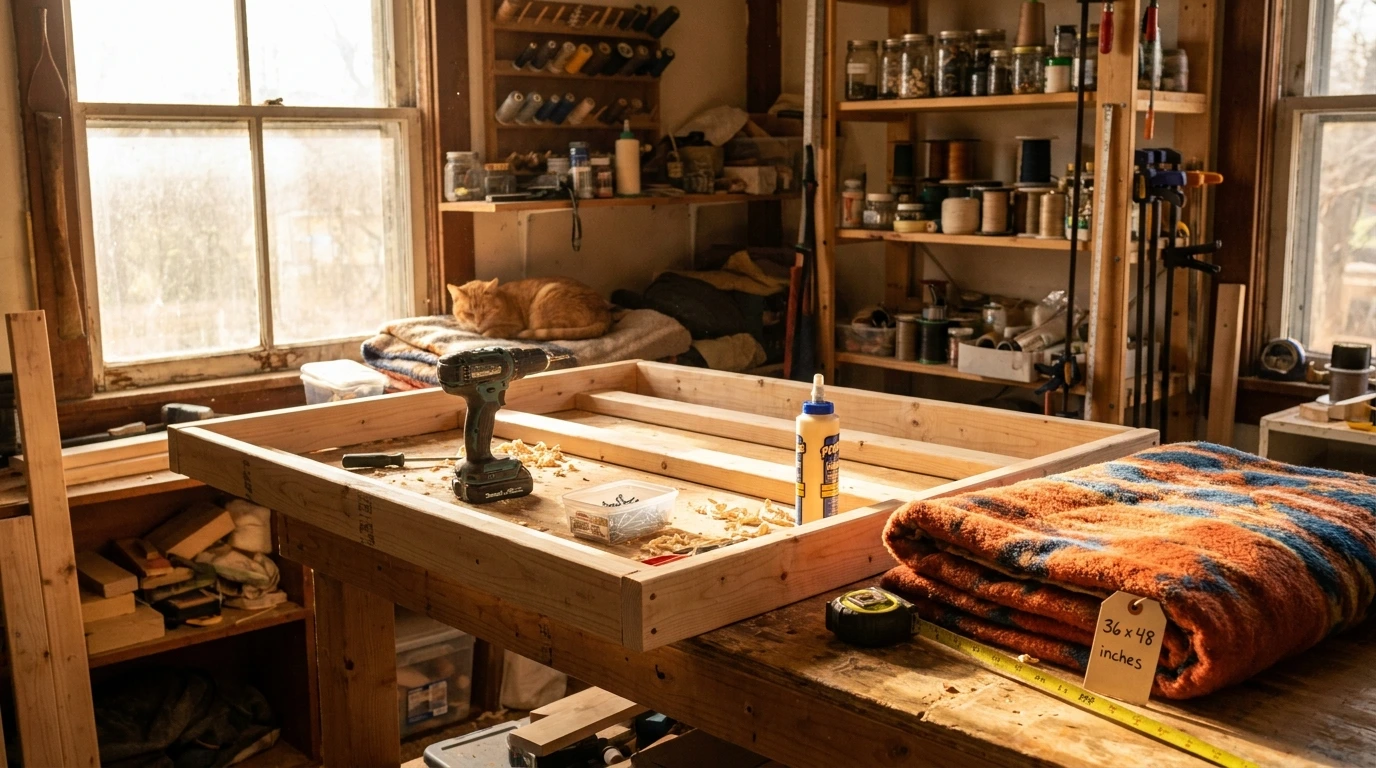
Start by cutting your 2×4 lumber into the following lengths: two pieces at 4 feet and two pieces at 2 feet. These will serve as the sides of the frame. Use a power drill to create pilot holes where you will insert the screws, preventing the wood from splitting. Assemble the frame by attaching the shorter pieces between the longer ones, forming a rectangular shape. Secure each corner with wood screws, and consider applying wood glue for added strength. Once the frame is assembled, use sandpaper to smooth out any rough edges, ensuring it’s safe for your cat.
Creating the Support Structure
Next, cut the 1×2 lumber into two 3-foot pieces. These will provide additional support for the hammock. Attach them diagonally from the corners of the frame to the midpoint of the opposite side, forming a triangular shape that will help distribute your cat’s weight evenly. Again, secure with screws and wood glue.
Preparing the Hammock Fabric
Measure out a piece of fabric that’s about 36 inches wide and 48 inches long. This size should provide ample space for your cat to lounge comfortably. Use fabric scissors to cut the fabric, and then fold over the edges to create a hem. You can sew this hem using a sewing machine or by hand, ensuring it’s sturdy enough to withstand your cat’s movements.
Attaching the Hammock to the Frame
Lay the fabric over the frame, centering it so that it hangs evenly on all sides. Use heavy-duty clips or hooks to secure the fabric to the frame. If you prefer a more permanent solution, you can sew the fabric directly to the frame using durable threads. Make sure it’s tight enough to create a comfortable hammock shape but loose enough for your cat to jump in easily.
Safety Tips and Cleaning
Safety should always be a priority when creating items for your pets. Ensure that all screws are tightly secured and that there are no sharp edges on the wood. Regularly check the hammock for wear and tear, as fabric and wood can degrade over time. If you notice any fraying or instability, address it immediately to prevent accidents.
Maintaining the Hammock
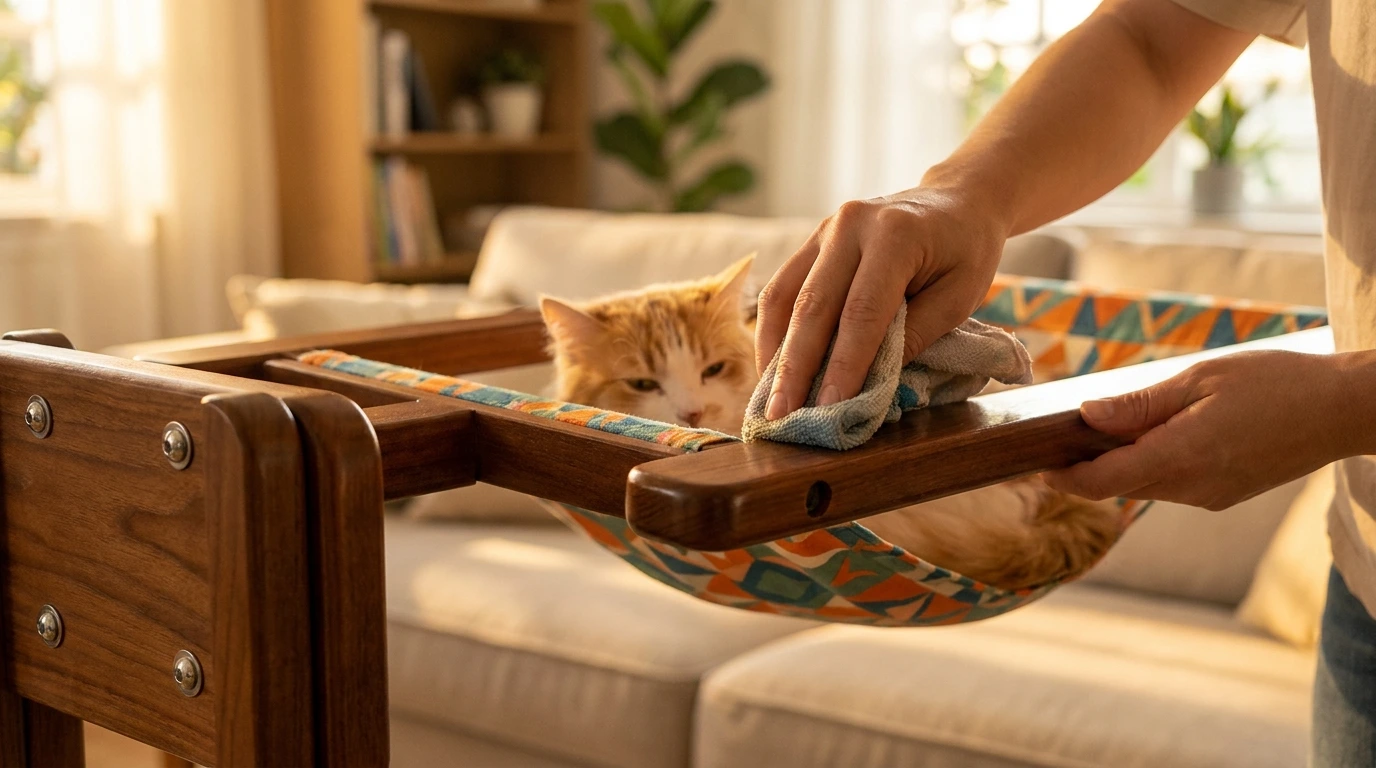
Cleaning your cat hammock is essential for hygiene. The fabric should be machine washable, making it easy to keep fresh. For the wooden frame, simply wipe it down with a damp cloth and mild soap to remove any dirt or odors. Regular maintenance will help extend the life of your DIY project.
Fun Ways to Customize It
Your cat’s hammock can be a reflection of their personality or your home decor. Here are some creative ideas to customize your hammock:
Adding Personal Touches
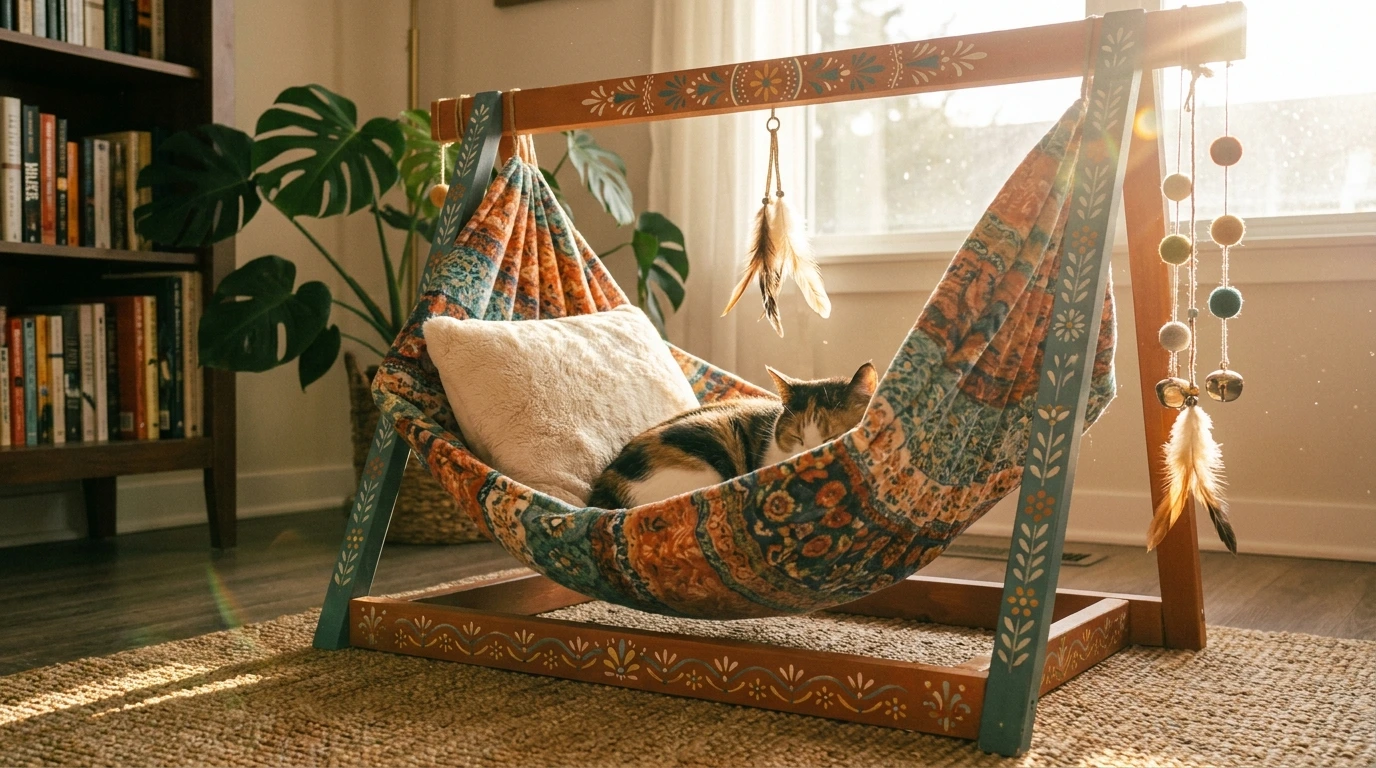
Consider painting the wooden frame in vibrant colors or using stencils to add patterns that match your home decor. You can also attach a small pillow or blanket inside the hammock for extra comfort. Cats enjoy having soft places to rest, and it can make the hammock even more inviting.
Incorporating Cat Toys
To make the hammock even more exciting for your cat, hang small toys or feathers from the frame. These can provide entertainment and keep your cat engaged when they’re not napping. Just ensure that any toys are securely attached and safe for your pet to play with.
Creating a Cozy Environment
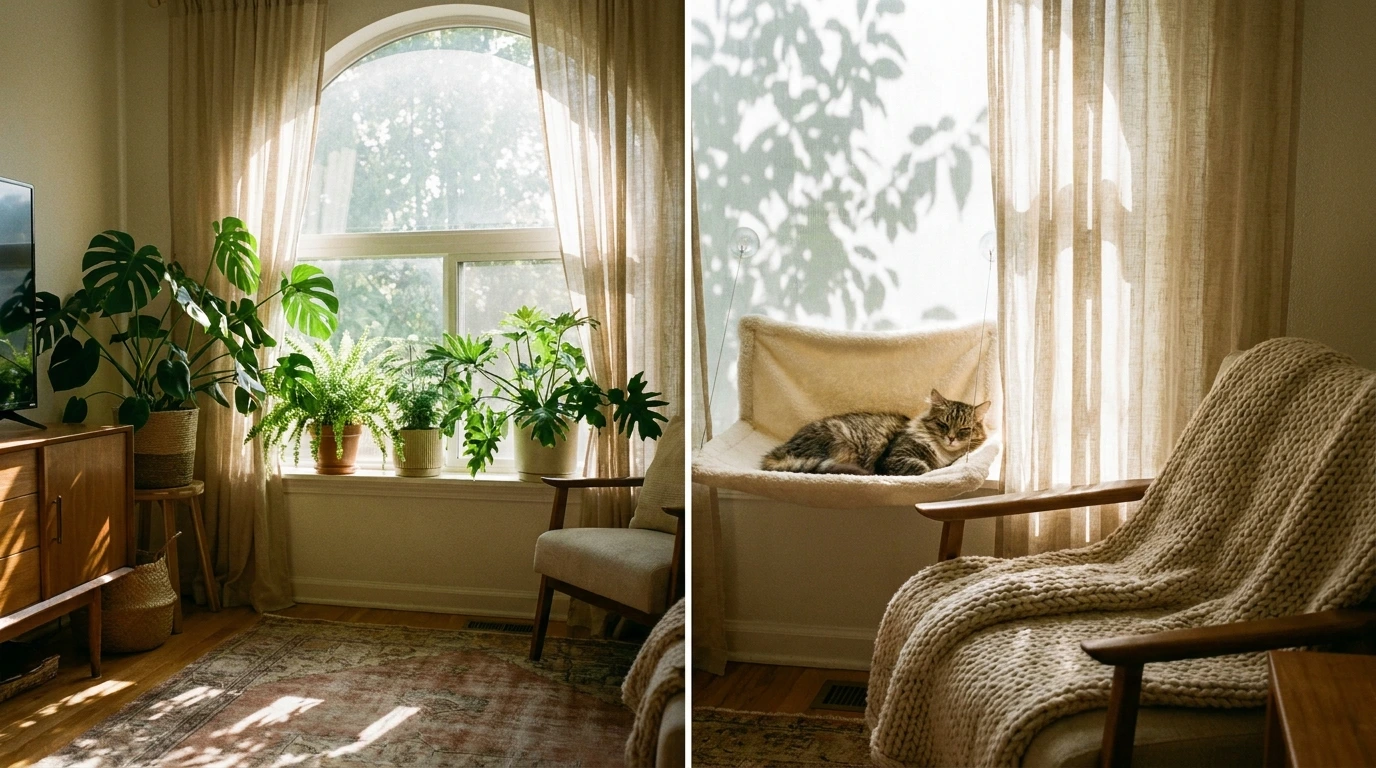
To enhance your cat’s experience, consider placing the hammock in a sunny spot or near a window where they can enjoy the view. Cats love to soak up the sun, and a warm hammock can become their favorite lounging spot.
Choosing the Right Location
Think about high places where your cat feels safe and secure. A corner of the living room or a quiet bedroom can be ideal. Ensure that the area is free from drafts and away from noisy appliances to provide a peaceful retreat for your furry friend.
Final Thoughts
Building a DIY cat hammock with a wooden frame can be an enjoyable and rewarding project for any cat owner. Not only does it provide your pet with a cozy resting space, but it also allows you to showcase your creativity and craftsmanship. By following these steps and tips, you can create a functional piece that your cat will love while enhancing your home’s aesthetic.
Conclusion
In summary, a DIY cat hammock is a fantastic way to enrich your cat’s life while adding a personal touch to your home. With careful planning and the right materials, you can create a cozy and visually appealing space for your beloved pet. Remember to prioritize safety and maintenance, ensuring that your cat can enjoy their hammock for years to come. Happy building!