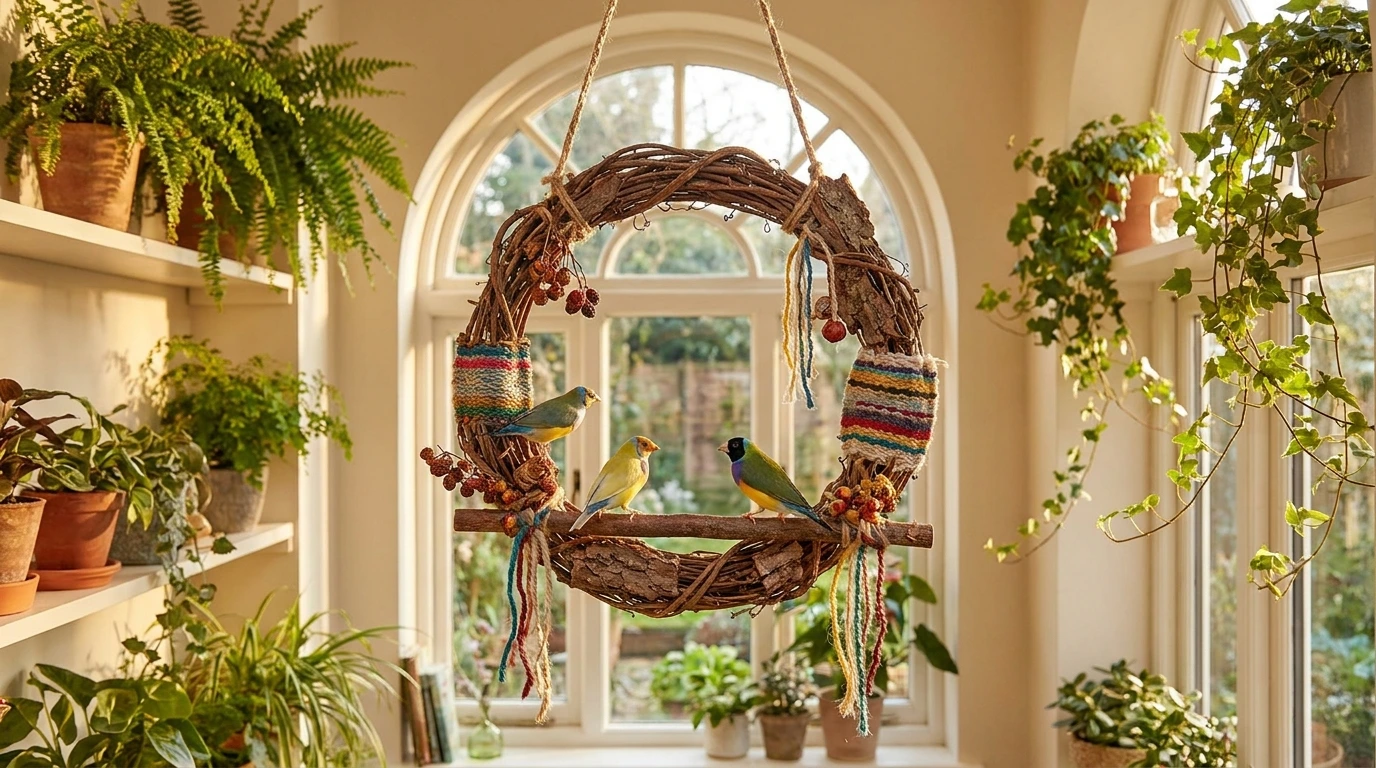
Creating a DIY bird swing from natural branches is not only a fun project but also a wonderful way to enrich your feathered friend’s environment. Birds are highly intelligent and inquisitive creatures that thrive on mental stimulation and physical activity. A well-designed swing can provide them with hours of entertainment, exercise, and comfort. In this guide, we’ll walk you through the process of crafting a safe and enjoyable bird swing using natural materials, ensuring your pet has a delightful addition to their habitat.
Why This DIY Project Is Perfect for Your Pet
Birds love to swing, perch, and explore their surroundings. A DIY swing made from natural branches offers a host of benefits. Not only does it encourage physical activity, but it also simulates a bird’s natural habitat, providing an engaging space for climbing and playing. Additionally, making your own swing allows you to customize it to fit your bird’s size and preferences, ensuring a perfect fit for their unique personality.
Understanding Your Bird’s Needs
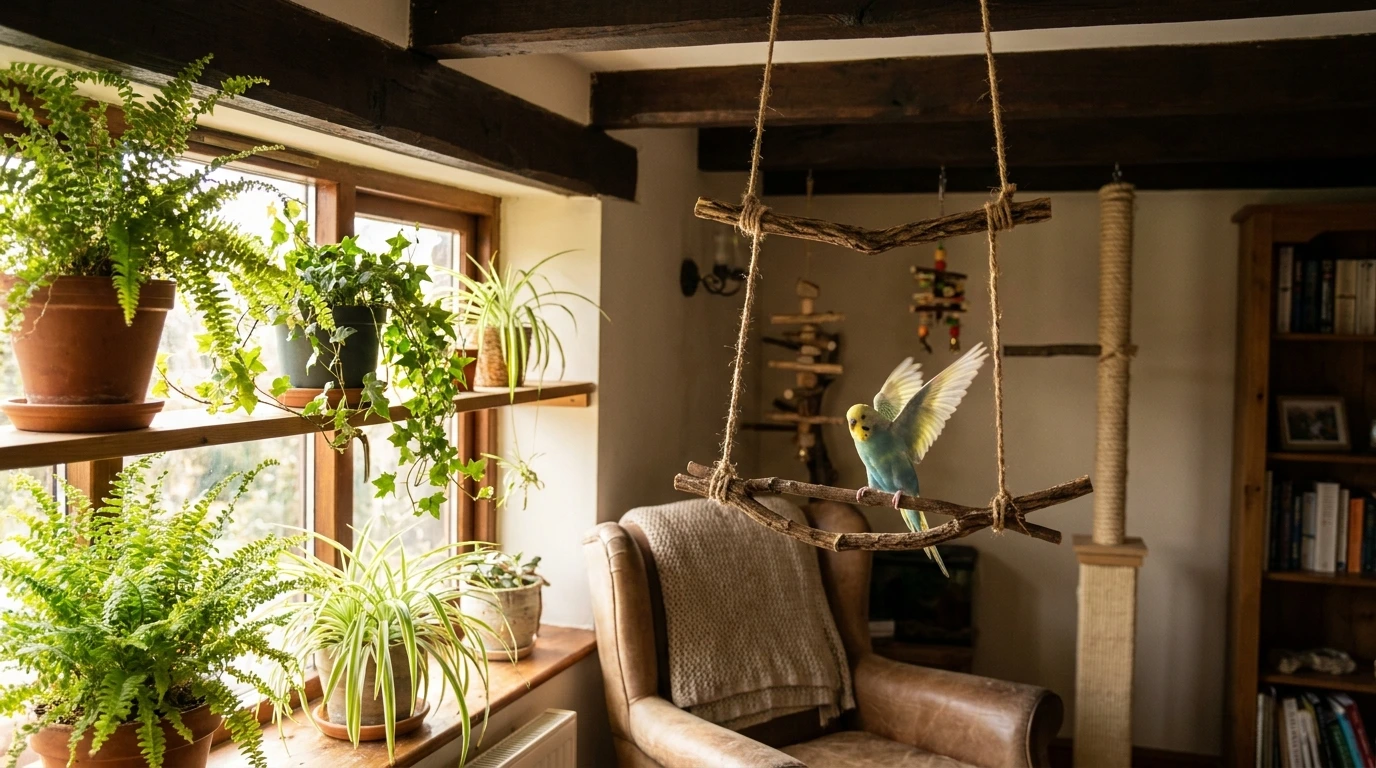
Before embarking on this project, consider your bird’s species, size, and natural behaviors. Parakeets, cockatiels, and lovebirds, for example, enjoy swinging and climbing while larger birds like macaws may require sturdier branches and a more robust design. Take some time to observe your bird; understanding their playstyle will help you create a swing that they will find irresistible.
What You’ll Need
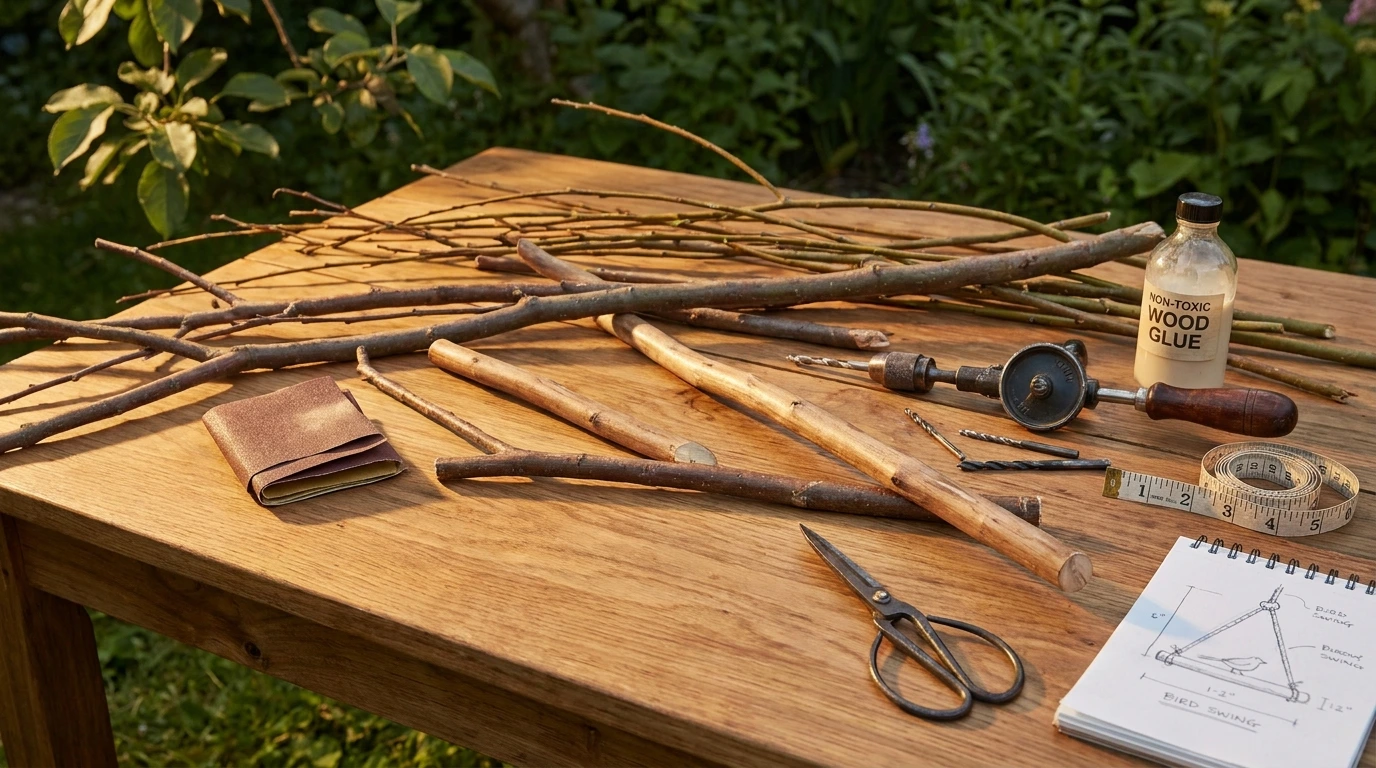
Gathering the right materials is crucial for creating a safe and enjoyable bird swing. Here’s a list of items you’ll need:
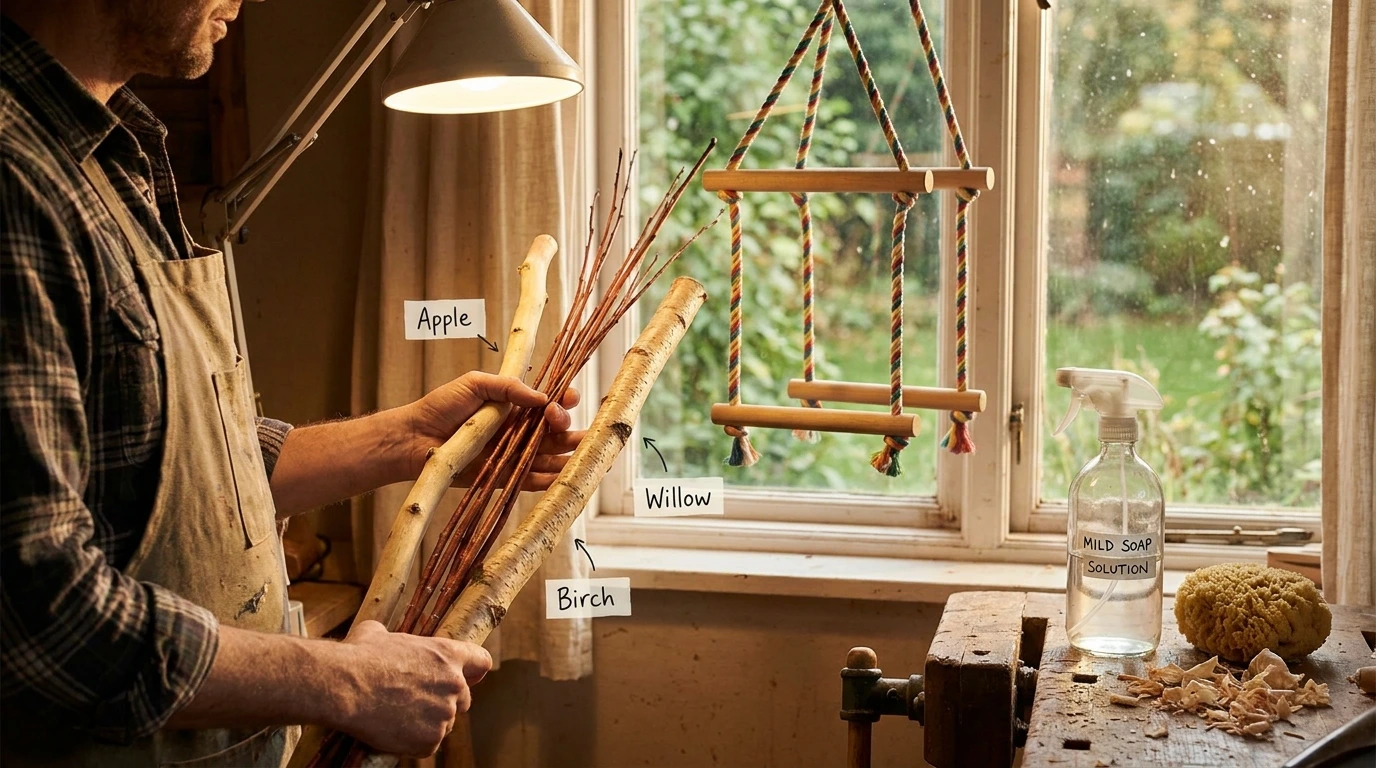
Natural branches (non-toxic woods like apple, willow, or maple) Strong rope or sisal twine Wooden dowels (optional for added stability) Sandpaper Drill with drill bits Scissors Measuring tape Non-toxic wood glue (optional)
Choosing the Right Branches
When selecting branches, look for those that are free from pesticides and chemicals. Avoid treated wood and any that have sharp edges or splinters. Choose branches that are thick enough to support your bird’s weight but have variations in diameter to promote foot exercise. Each branch should be about 1-2 inches in diameter, providing a comfortable grip for your feathered friend.
Step-by-Step Instructions
Now that you have your materials, let’s get started on building your bird swing!
Step 1: Prepare the Branches
Start by cleaning the branches thoroughly. Rinse them in warm water to remove any dirt or debris. After washing, let them dry completely. Once dry, use sandpaper to smooth out any rough spots or splinters, ensuring a safe surface for your bird.
Step 2: Measure and Cut the Rope
Decide how long you want your swing to hang. Measure a length of rope that is at least three times the height from where you plan to hang the swing to the perch. Cut two equal lengths of rope. If you want to create a multi-tiered swing, you may need additional lengths.
Step 3: Drill Holes in the Branches
Using your drill, create holes in the branches where you will thread the rope. Drill through the branch at both ends, ensuring the holes are aligned for stability. If you’re using wooden dowels, drill additional holes for those as well, creating a more complex design.
Step 4: Assemble the Swing
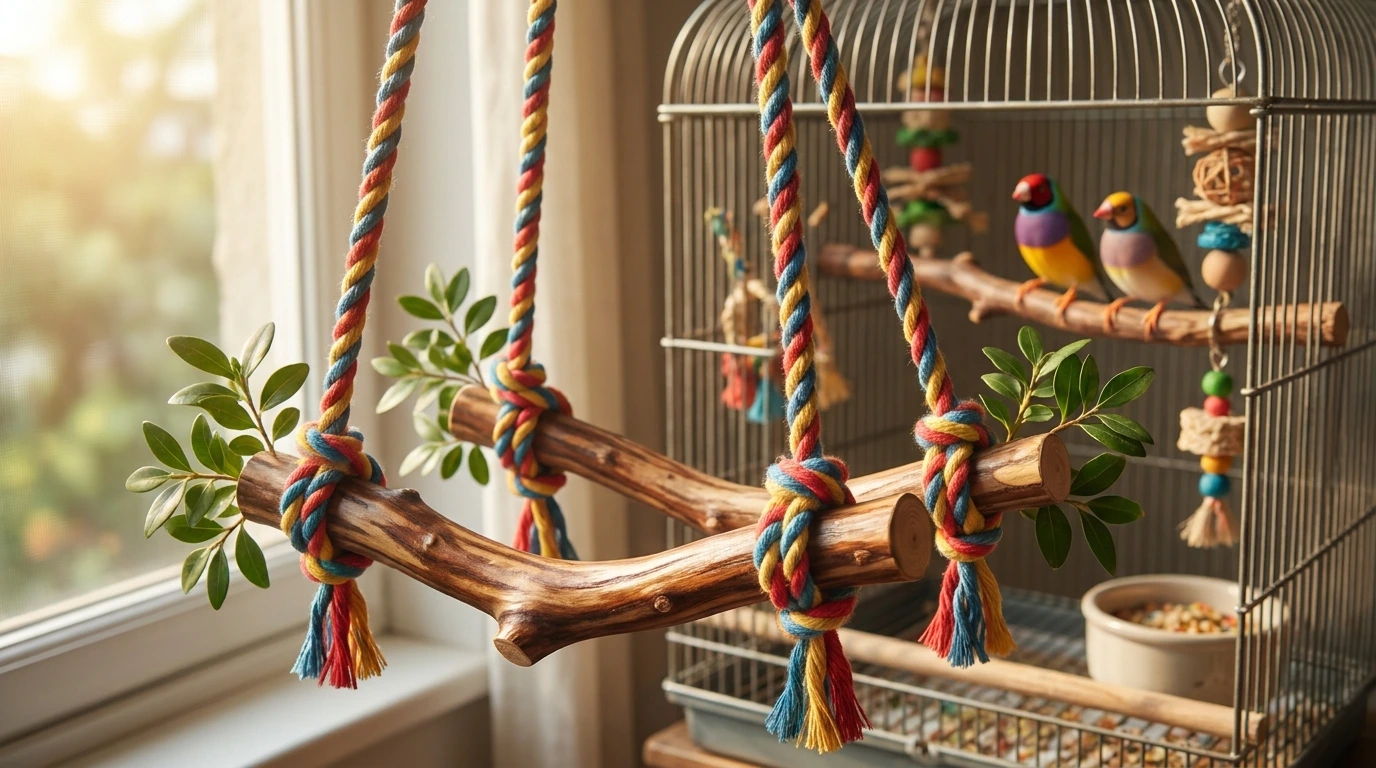
Thread the rope through the holes in the branches, tying secure knots at each end to prevent slipping. If you’re using multiple branches or dowels, arrange them in a way that allows for different levels. Make sure the swing is balanced and stable before proceeding.
Step 5: Secure the Swing
Once your swing is assembled, find a suitable location in your bird’s cage to hang it. Ensure it is securely fastened and can support your bird’s weight. You can use ceiling hooks or attach it to the bars of the cage, ensuring it swings freely without hitting the sides.
Safety Tips and Cleaning
Safety is paramount when creating a bird swing. Always inspect all materials for potential hazards. Here are some essential safety tips to keep in mind:
Choosing Non-Toxic Materials
Always ensure that any materials used are non-toxic and safe for birds. Research the types of wood you are using; some woods, such as cedar and pine, can be harmful to birds. Stick to safe options like apple, willow, and birch.
Regular Maintenance
Regularly check the swing for wear and tear. Replace any frayed ropes or damaged branches immediately. Clean the swing periodically with a mild soap solution, rinsing thoroughly to remove any residue. This helps keep your bird’s environment healthy and safe.
Fun Ways to Customize It
One of the best parts of creating a DIY bird swing is the opportunity for customization. Here are some ideas to make your swing even more engaging for your pet:
Add Natural Toys
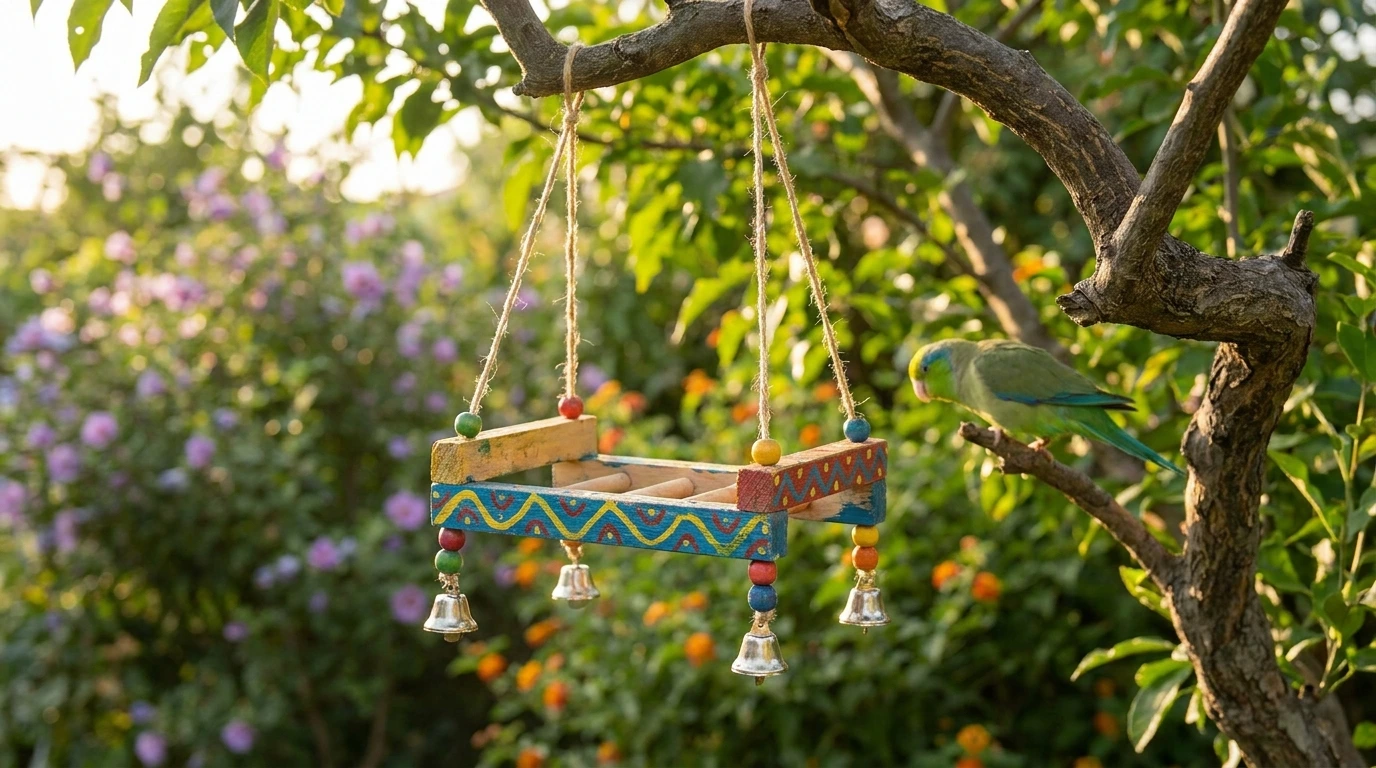
Incorporate small, safe toys such as bells, wooden blocks, or natural fibers like sisal rope. These additions can provide extra stimulation and encourage your bird to explore their new swing. Just make sure any attached items are securely fastened to prevent choking hazards.
Personalize with Colors
While keeping safety in mind, you can add non-toxic, bird-safe paint or natural dyes to the branches for a pop of color. Be sure to let any paints dry completely before hanging the swing. Bright colors can attract your bird’s attention and make the swing more appealing.
Creating a Play Area
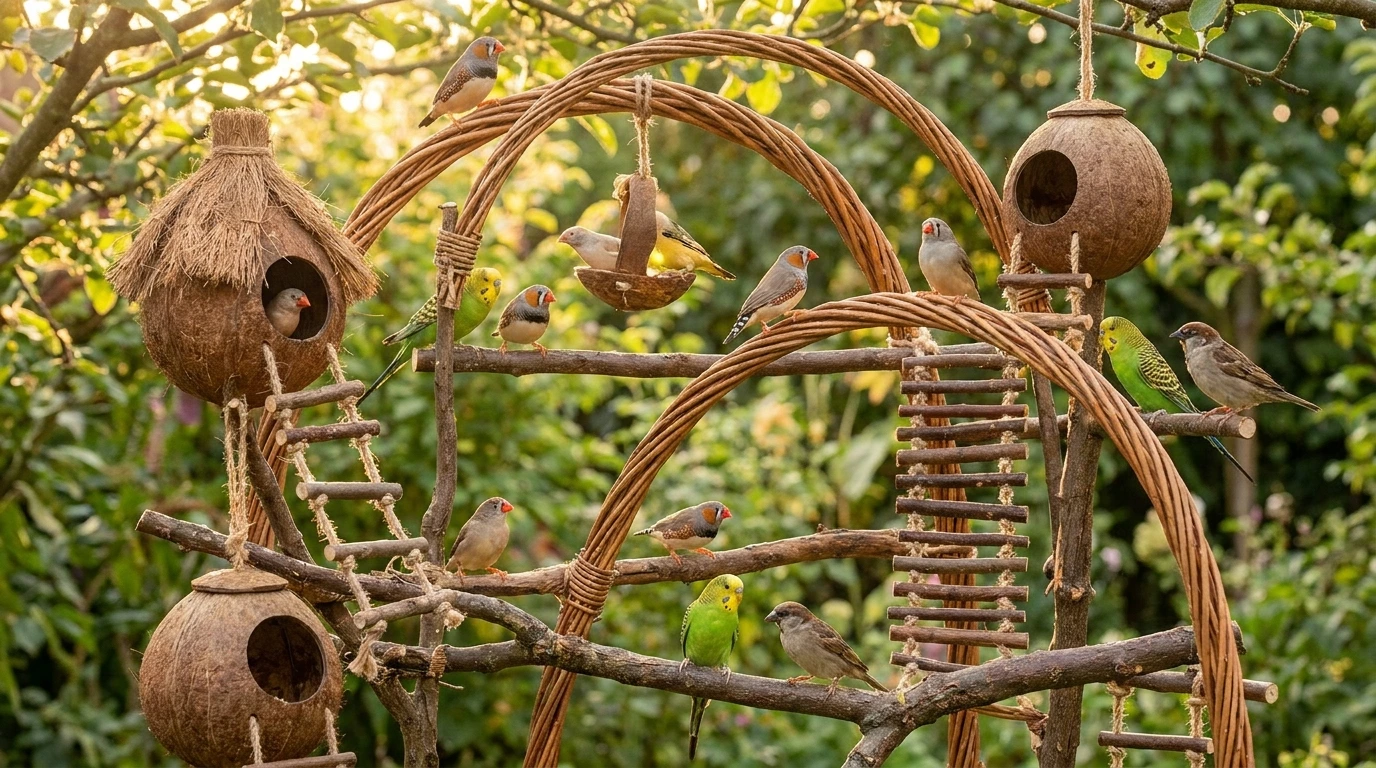
Consider expanding your DIY project by creating a mini playground around the swing. This could include additional perches, small ladders, or climbing walls made from safe materials. A well-designed play area encourages exploration and provides a stimulating environment for your bird.
Incorporate Natural Materials
Use natural elements like coconut shells or untreated wicker to create additional perches or hideaway spots. Birds enjoy having places to retreat and explore, making their environment more enriching and less monotonous.
Final Thoughts
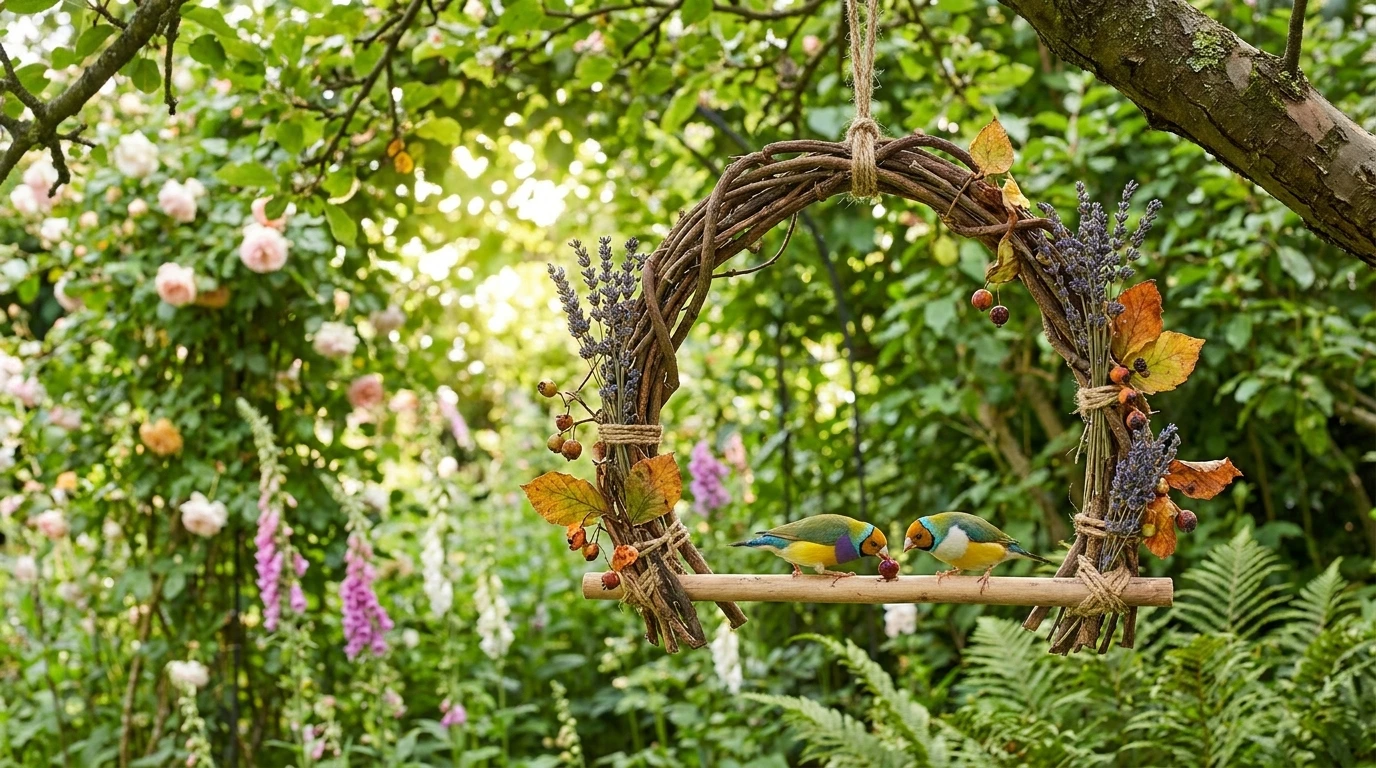
Building a DIY bird swing from natural branches is an enjoyable project that can significantly enhance your bird’s life. Not only does it provide a space for physical activity, but it also encourages natural behaviors and exploration. By following these steps and keeping safety in mind, you can create a beautiful and functional addition to your bird’s habitat.
Conclusion
Creating a bird swing from natural branches is a rewarding endeavor that benefits both you and your pet. By engaging in this DIY project, you enhance your bird’s environment, providing them with stimulation, exercise, and a place to play. With careful selection of materials and some creativity, you can build a swing that not only looks great but also meets your bird’s needs. Happy crafting!