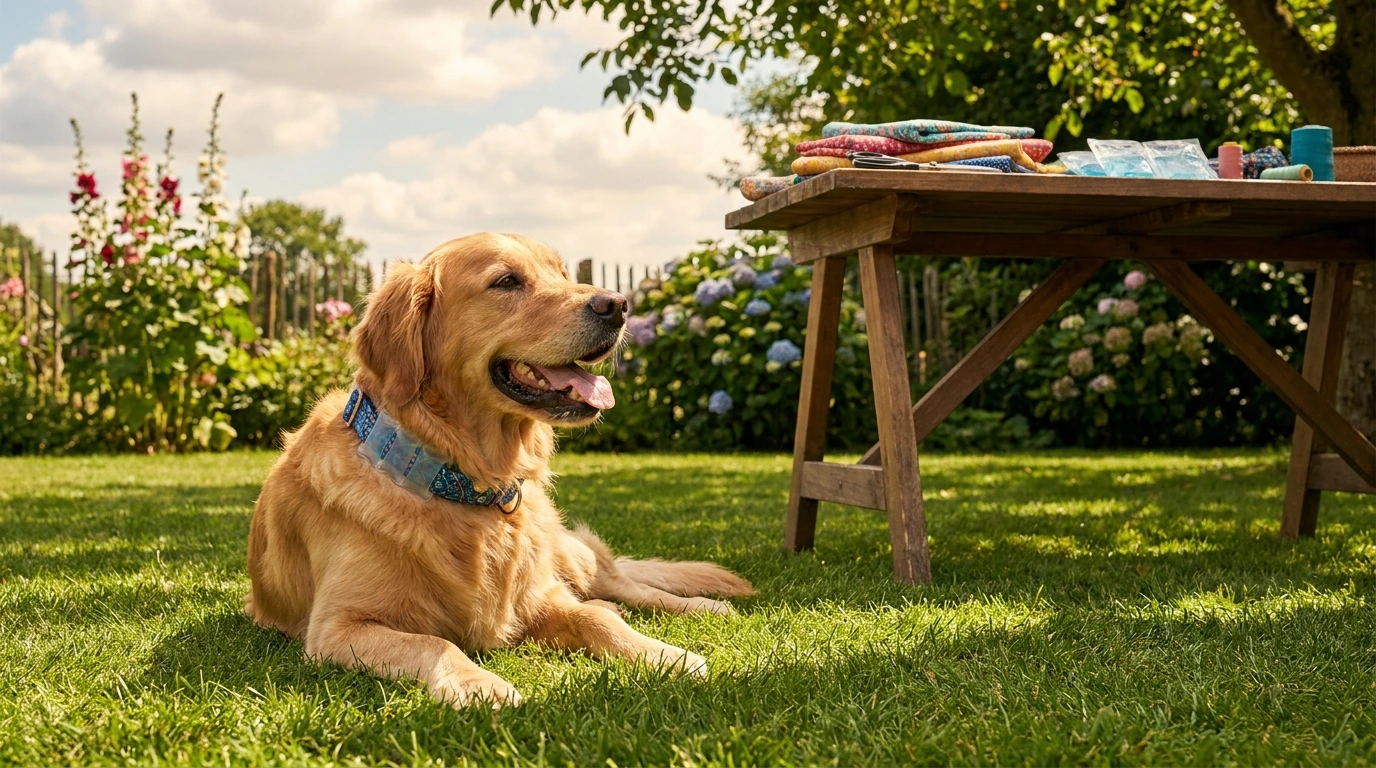
As temperatures rise, keeping our furry friends cool becomes a top priority. A DIY dog cooling collar filled with gel packs is an ingenious solution that ensures your dog stays comfortable on hot days. Not only is it easy to make, but it also provides immediate relief from heat, making it an essential item for pet owners. This project is not only practical but also a fun way to bond with your pet while ensuring their well-being. Let’s dive into how you can create this effective cooling collar for your dog.
Why This DIY Project Is Perfect for Your Pet
Dogs can struggle with heat just like humans do, and during the peak of summer, they are at risk of overheating. A cooling collar helps regulate their body temperature, allowing them to enjoy the outdoors safely. This DIY project is cost-effective, customizable, and made to fit your dog’s specific needs. By creating a cooling collar, you’re not just providing comfort; you’re also taking proactive steps to keep your beloved pet healthy and happy.
The Benefits of a Cooling Collar
A cooling collar can help prevent heatstroke, especially for breeds prone to overheating, like Bulldogs or Pugs. Beyond health benefits, it also encourages outdoor play, ensuring your dog gets the exercise they need while staying cool. This project empowers you to take control of your pet’s comfort, and it’s a great conversation starter among fellow dog lovers!
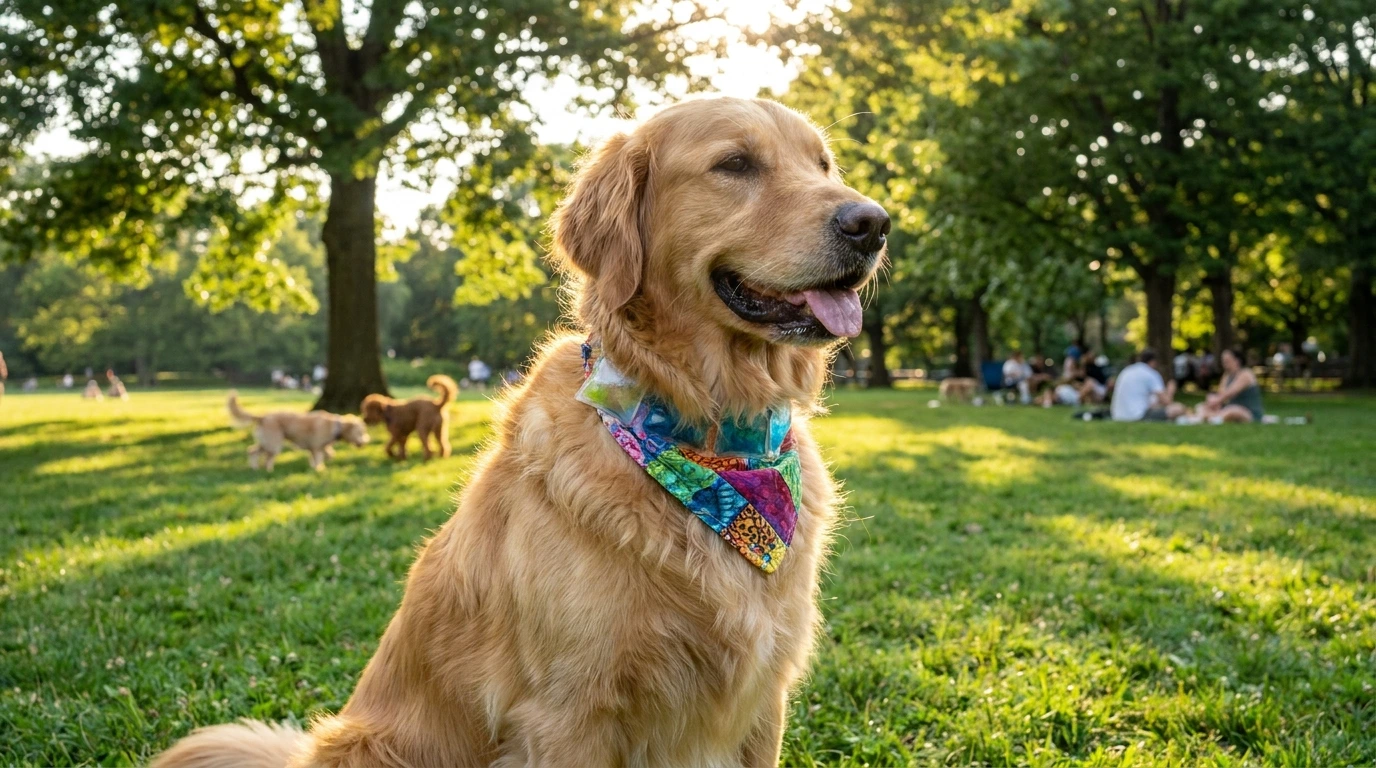
What You’ll Need
Before you start crafting your dog’s cooling collar, gather the necessary materials. This will ensure a smooth and efficient process. Here’s a list of what you’ll need:
Materials List
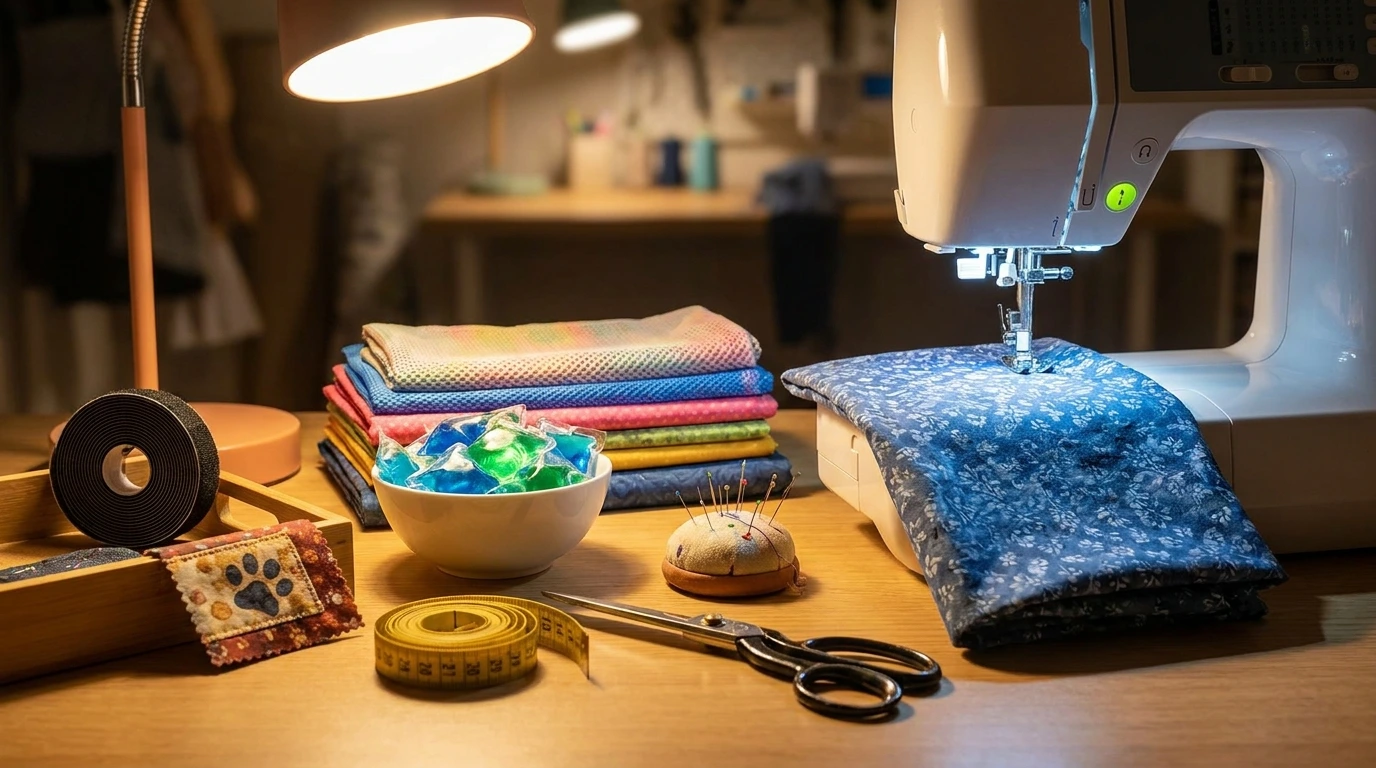
Fabric (preferably breathable materials like cotton or mesh) Gel packs (available at most pharmacies) Sewing machine or needle and thread Measuring tape Scissors Velcro or a buckle for fastening Optional: Decorative fabric or embellishments
Step-by-Step Instructions
Creating a cooling collar is straightforward and can be completed in just a few steps. Let’s break down the process to ensure you can make one efficiently.
Measure Your Dog
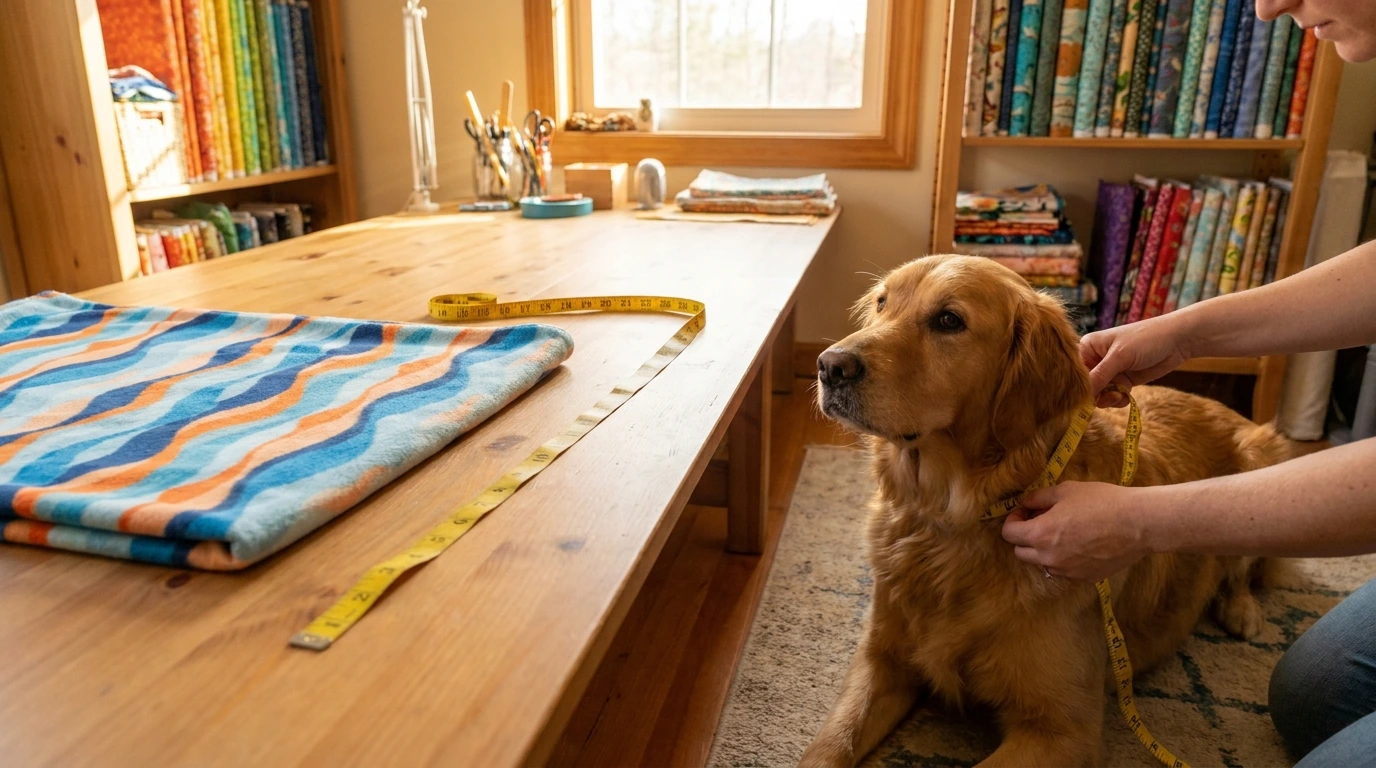
To start, measure your dog’s neck to determine the appropriate length for the collar. Use the measuring tape to get an accurate measurement and add a couple of inches for comfort. This ensures that the collar will fit snugly but not too tight. If your dog has a thick coat, consider measuring a little looser to account for fur.
Cut the Fabric
Once you have your measurements, cut your fabric accordingly. You will need two pieces: one for the outside and one for the lining. A good size for most dogs is around 24 inches long and 4 inches wide, but adjust this based on your dog’s size. Make sure to cut the fabric straight for a neat finish.
Prepare the Gel Packs
Next, take the gel packs and ensure they are frozen or chilled before use. Check the instructions on the packaging for optimal freezing time. Once ready, place them inside the fabric casing you’ll create, ensuring they can be easily removed for refreezing later.
Sew the Fabric Together
Place the two fabric pieces together, right sides facing each other. Sew along the edges, leaving one end open to insert the gel packs later. Use a straight stitch or zigzag stitch to ensure durability. Turn the fabric inside out to hide the seams, creating a neat pocket for the gel packs.
Add Fastening Mechanism
At the open end of the collar, sew on a piece of Velcro or attach a buckle. This will allow you to secure the collar around your dog’s neck. Make sure the fastening is strong enough to withstand your dog’s movements, yet easy for you to open when needed.
Insert the Gel Packs
Now, take the chilled gel packs and insert them into the pocket you created. Ensure they fit snugly, but can be removed easily when it’s time to refresh them. This way, you can keep the collar functional for multiple uses throughout the day.
Seal the Collar
After inserting the gel packs, fold the open end of the fabric inward and sew it shut. This will keep the gel packs securely inside while allowing your dog to enjoy the cooling effect. Make sure to reinforce the stitching at the ends to prevent any rips or tears.
Final Touches
Consider adding decorative touches, such as embroidery or fabric paint, to personalize your dog’s cooling collar. This makes it not only functional but also stylish! Choose colors or patterns that reflect your dog’s personality or your own style.
Safety Tips and Cleaning
While making a cooling collar is relatively simple, safety should always be a priority. Here are some important tips to ensure your dog’s comfort and health.
Choosing Safe Materials
Always opt for non-toxic, pet-safe materials. Avoid fabrics that can cause irritation, like synthetic blends, and ensure the gel packs are designed for pet use. Check for any potential choking hazards, especially if your dog is prone to chewing on things.
Regular Inspection
Before each use, inspect the collar for any signs of wear and tear. Check the gel packs for leaks and the fabric for any fraying edges. If you notice any damage, it’s best to replace the collar or the gel packs to avoid any accidents.
Cleaning Your Cooling Collar
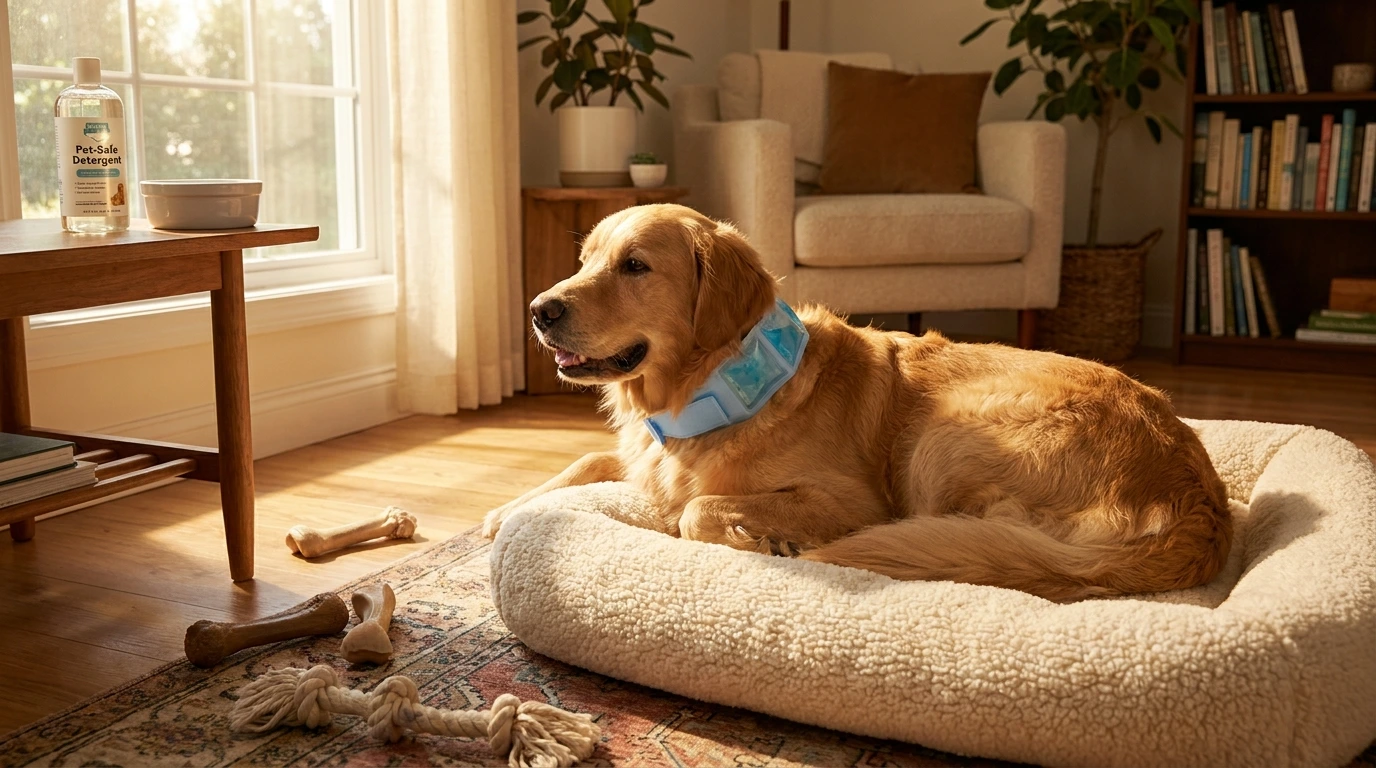
To maintain hygiene, wash the collar regularly. Hand wash it in cold water with mild detergent, and let it air dry. Avoid machine washing or drying, as this can damage the fabric and the integrity of the collar. Always ensure it’s completely dry before using it again to prevent mold or mildew.
Fun Ways to Customize It
Once you’ve mastered the basic cooling collar, consider these fun customization options to make it unique for your dog.
Color and Pattern Choices
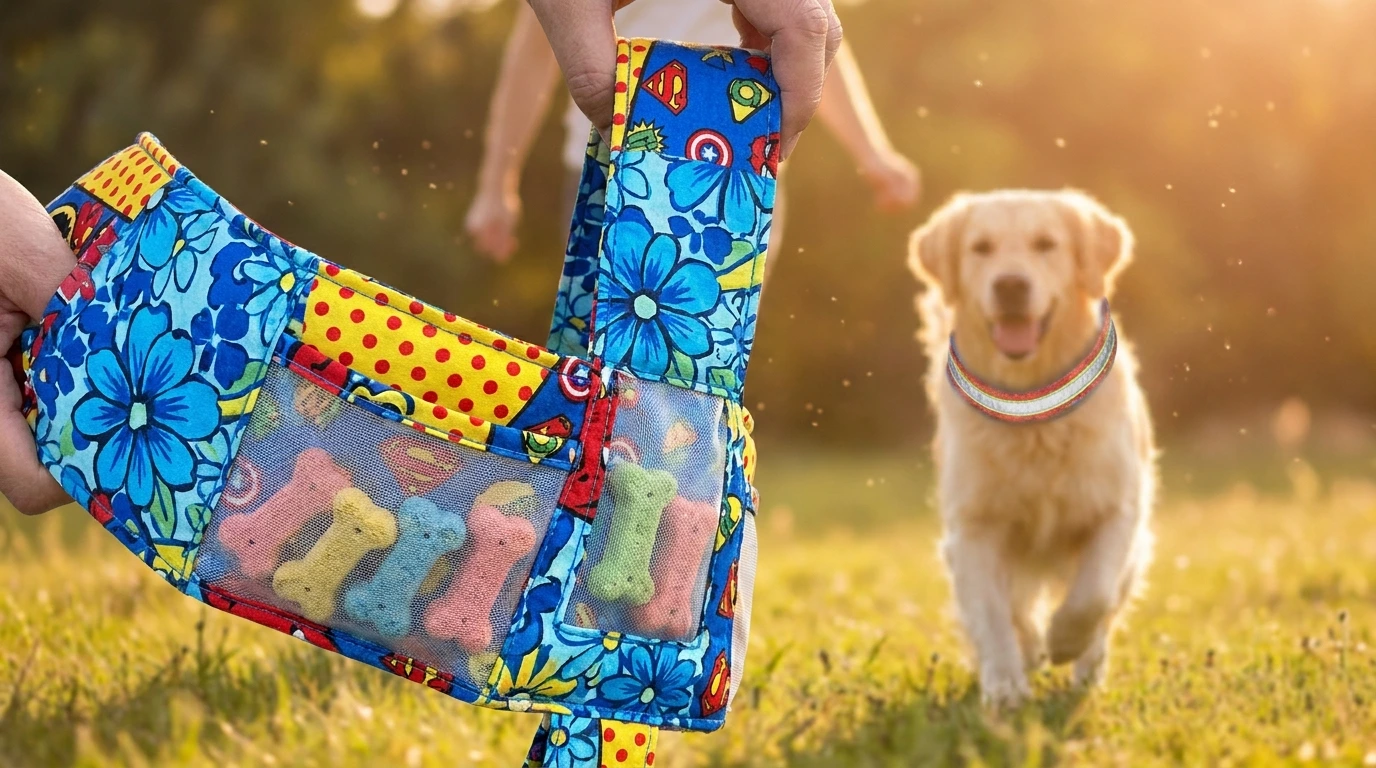
Select fabric in your dog’s favorite colors or fun patterns. Bright colors not only look good but can also make your dog more visible during outdoor adventures. Floral, polka dots, or even superhero fabrics can add a playful touch.
Adding Pockets for Treats
Consider adding small pockets to the collar for treats or small toys. This encourages your dog to wear the collar longer, as they can have a little snack on the go. Just ensure any items are secure and won’t fall out during playtime.
Incorporating Reflective Materials
If your dog enjoys evening walks, consider using reflective materials or adding reflective tape to the collar. This will enhance visibility during low-light conditions, ensuring that both you and your dog stay safe while enjoying your outdoor adventures.
Testing the Cooling Collar
Once your cooling collar is complete, it’s important to test it out. Ensure your dog is comfortable wearing it and observe their behavior. Here’s how to properly evaluate its effectiveness.
Monitor Your Dog’s Reaction
Put the collar on your dog in a cool environment first, then gradually introduce them to warmer surroundings. Observe how they react to the cooling effect. If your dog seems to enjoy the collar and is more active, it’s a good sign that it’s working well.
Check for Comfort
Ensure the collar isn’t too tight or restrictive. Your dog should be able to move freely without any discomfort. If they seem to struggle with it, consider adjusting the size or the fastening mechanism for a better fit.
Final Thoughts
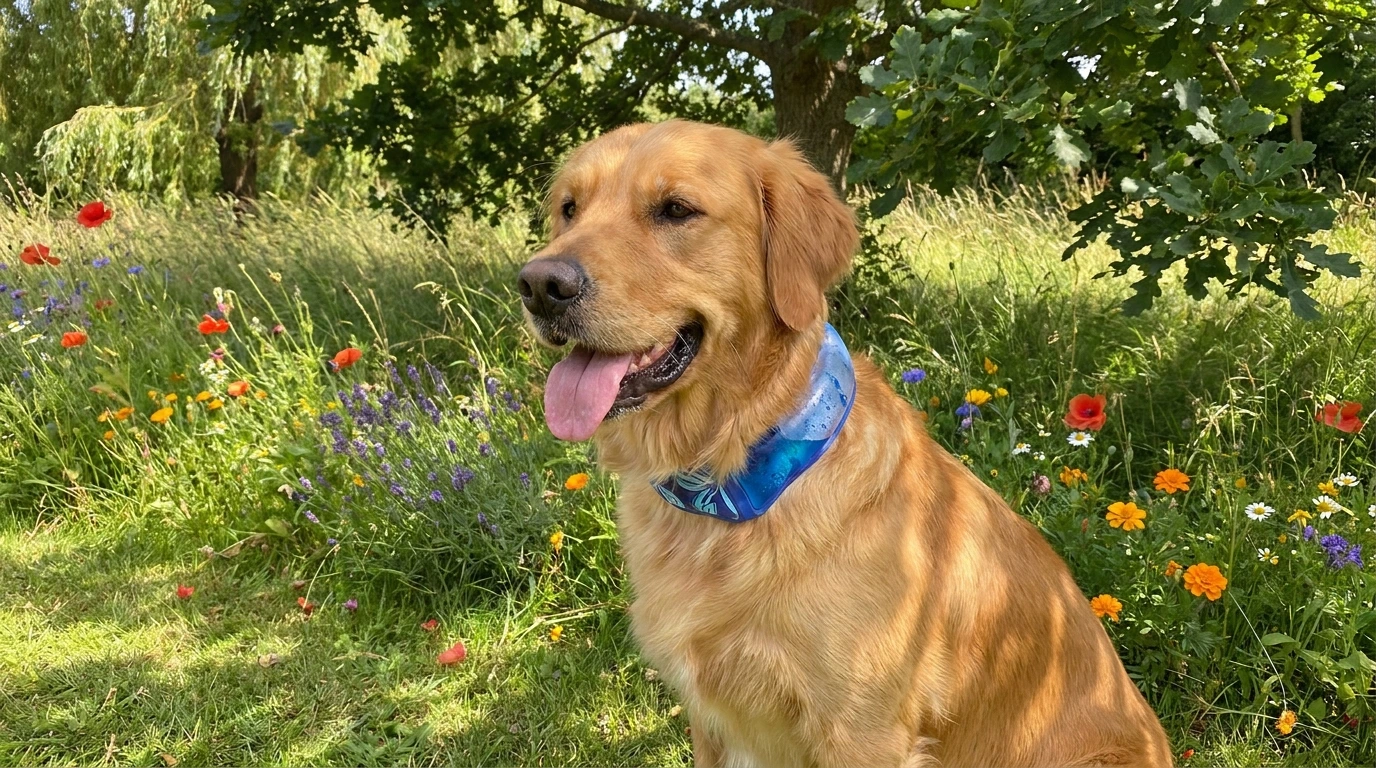
Creating a dog cooling collar with gel packs is a rewarding DIY project that can significantly enhance your pet’s comfort during hot weather. By investing a little time and effort, you can provide your dog with a safe and effective way to beat the heat. Regularly monitor the collar’s condition and your dog’s comfort level to ensure it remains a beneficial accessory. With your creativity and care, your dog will stay cool, comfortable, and ready for summer adventures!
Conclusion
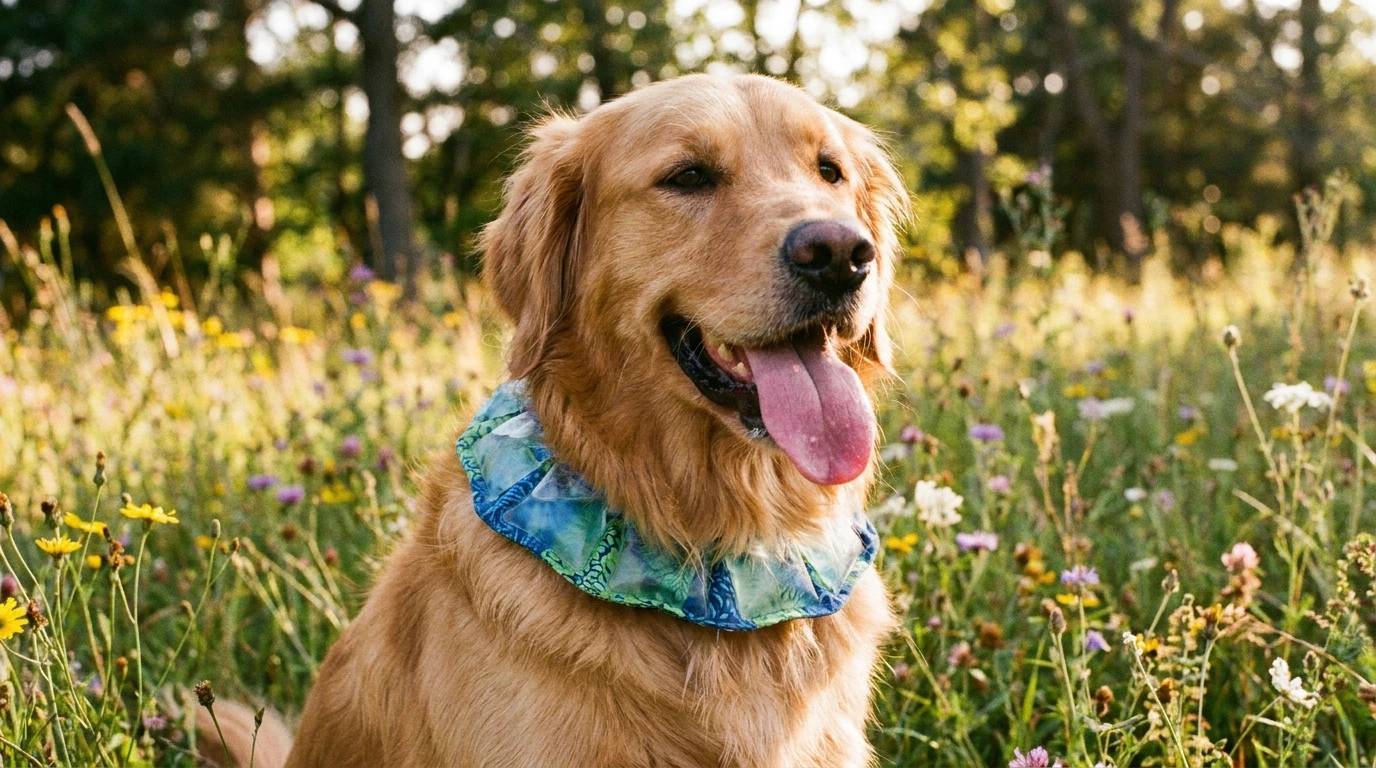
Making a dog cooling collar with gel packs is not only a practical solution for keeping your pet cool but also a delightful bonding experience. By following these easy steps, you can create a custom collar that meets your dog’s needs while ensuring their safety. With the right materials and a bit of creativity, you can enhance your pet’s outdoor experiences, making summer days enjoyable for both of you. This DIY project is a testament to the love and care you have for your furry friend, ensuring they stay cool and happy throughout the warm months.