
Creating a cozy and organized pet area not only enhances the aesthetic of your home but also ensures your furry friends have a dedicated space for relaxation and play. A well-planned pet area can improve your pets’ well-being and make it easier for you to manage their belongings. This guide will provide practical tips on how to design a cute and functional pet area that meets both your needs and those of your beloved animals.
Choosing the Right Location
When organizing a pet area, selecting the right location is crucial. Consider spaces that are quiet yet accessible, away from high-traffic areas where your pets can feel safe and secure. Ideal locations include corners of living rooms, home offices, or even a cozy nook in the hallway.
Factors to Consider
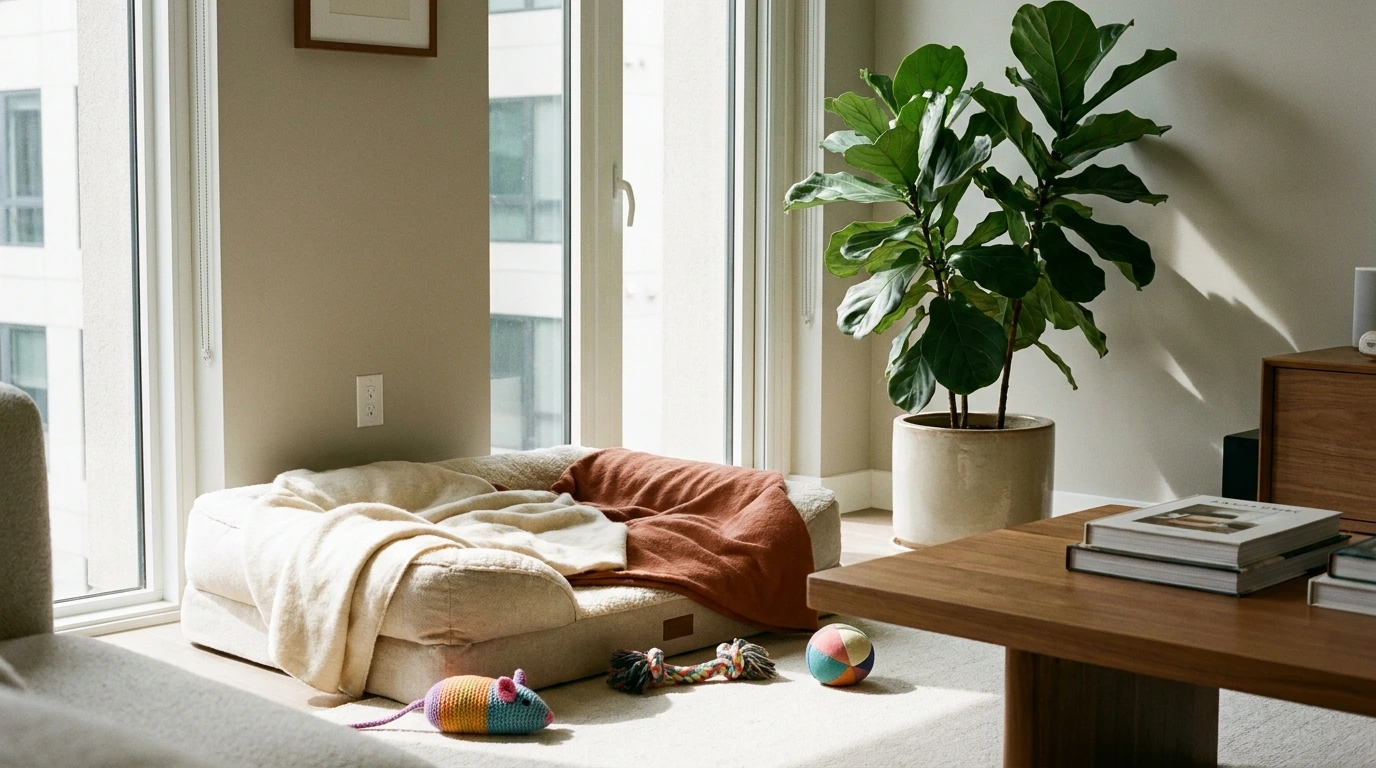
Evaluate your home’s layout and identify areas that naturally attract your pets. Look for spots that receive natural light, as this can create a warm atmosphere for your pets. Additionally, ensure the area is easy to clean, as pet hair and messes can accumulate quickly. Choosing a space that allows for both comfort and cleanliness will significantly enhance your pet’s experience.
Essential Supplies and Furniture
Once you have selected a location, it’s time to gather the necessary supplies and furniture. The right items can make a significant difference in both organization and comfort.
Bed and Resting Area
A comfortable pet bed is essential for creating a cozy resting area. Choose a bed that is appropriately sized for your pet, and consider materials that are easy to wash. Placing the bed in a corner with a soft blanket or pillow can add an inviting touch. For added charm, opt for beds that match your home decor.
Storage Solutions
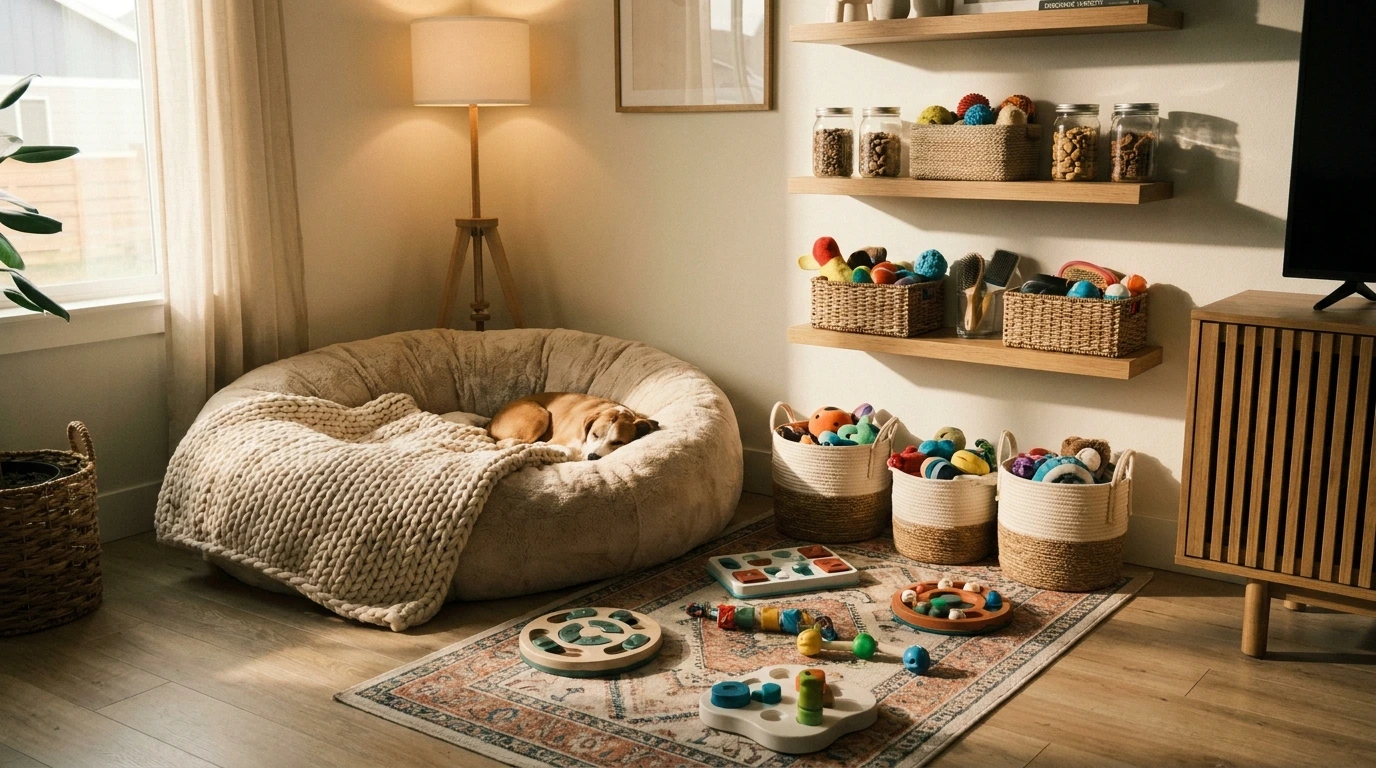
To keep the area organized, invest in storage solutions that are both functional and stylish. Baskets, bins, or shelves can be used to store toys, leashes, and grooming supplies. Labeling these storage containers can help you quickly find what you need without rummaging through piles of items.
Play Area
Designate a play area within the pet zone where your furry friend can enjoy their toys. Consider using rugs to define this space while also protecting your flooring. Incorporating interactive toys or puzzle feeders can keep your pet engaged and mentally stimulated. Make sure this area is free from hazards and has enough room for your pet to move around safely.
Creating a Safe Environment
Safety should be a top priority when organizing a pet area. Ensure that the space is free from any potential hazards that could harm your pets. This includes securing cords, removing toxic plants, and ensuring that any small items are out of reach.
Pet-Proofing Tips
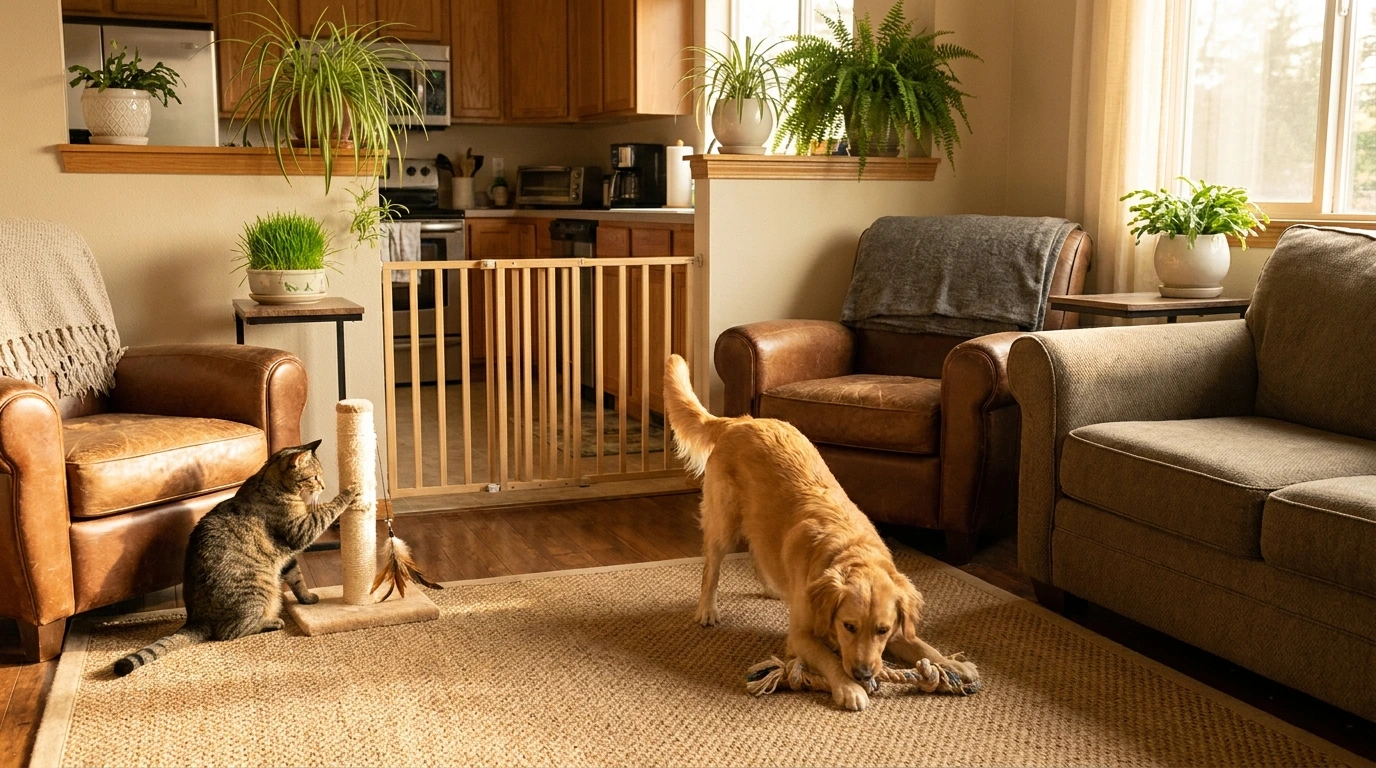
Pet-proofing is an essential part of creating a safe environment. Use baby gates to restrict access to areas that may be unsafe. Consider using furniture covers or choosing materials that are resistant to scratches and stains. Regularly inspect the area for any new hazards that may arise as your pet explores their surroundings.
Incorporating Decor and Personal Touches
A cute pet area doesn’t have to sacrifice style for functionality. Incorporate decor elements that reflect your personal taste while remaining pet-friendly.
Artwork and Accessories
Consider adding framed photos of your pets or artwork that celebrates their personality. Accessories like decorative bowls or stylish feeding stations can enhance the aesthetic of the space. Choose colors and designs that complement your existing decor to create a cohesive look.
Seasonal Updates
Rotating decor seasonally can keep the pet area feeling fresh. Introduce seasonal colors or themed accessories that reflect holidays or special occasions. This not only keeps your space looking cute but also allows you to express your creativity.
Maintaining the Pet Area
Once your pet area is organized, maintaining it is key to ensuring it remains a pleasant place for both you and your pets. Regular cleaning and organization will enhance the longevity of your pet supplies and furniture.
Cleaning Routine
Establish a cleaning routine that includes vacuuming pet hair, washing bedding, and sanitizing feeding areas. Regularly checking for damaged toys or supplies and replacing them as needed will keep the area safe and enjoyable for your pets. Setting aside a few minutes each week to tidy up can make a significant difference.
FAQs
What are some budget-friendly ideas for organizing a pet area?
You can use repurposed furniture, such as an old bookshelf for toy storage, or DIY storage solutions using cardboard boxes. Upcycling items you already have can save money while adding a unique touch.
How can I make my pet area more comfortable for my pet?
Incorporate soft bedding, familiar toys, and ensure the area is free from drafts. Including a cozy blanket or favorite items can help your pet feel more at home.
Is it necessary to have a designated pet area?
While it’s not strictly necessary, having a designated pet area can help manage your pet’s belongings and create a safe space for them, contributing to a more organized home environment.
Conclusion
Organizing a cute pet area can enhance the quality of life for both you and your pets. By carefully choosing a location, incorporating essential supplies, and adding personal touches, you can create a inviting space that meets your pet’s needs and reflects your style. Regular maintenance and attention to detail will ensure this area remains a beautiful and functional part of your home. A well-organized pet area not only promotes a sense of comfort for your pets but also brings joy to your living space.