
Designing a pet-friendly room can be both a fun and rewarding experience. Whether you have a playful puppy, a curious cat, or even a small rabbit, creating a space that caters to their needs while also being aesthetically pleasing is essential. This article will explore adorable pet room design tips that can inspire you to create a harmonious environment for your furry friends without compromising on style.
Choosing the Right Color Palette
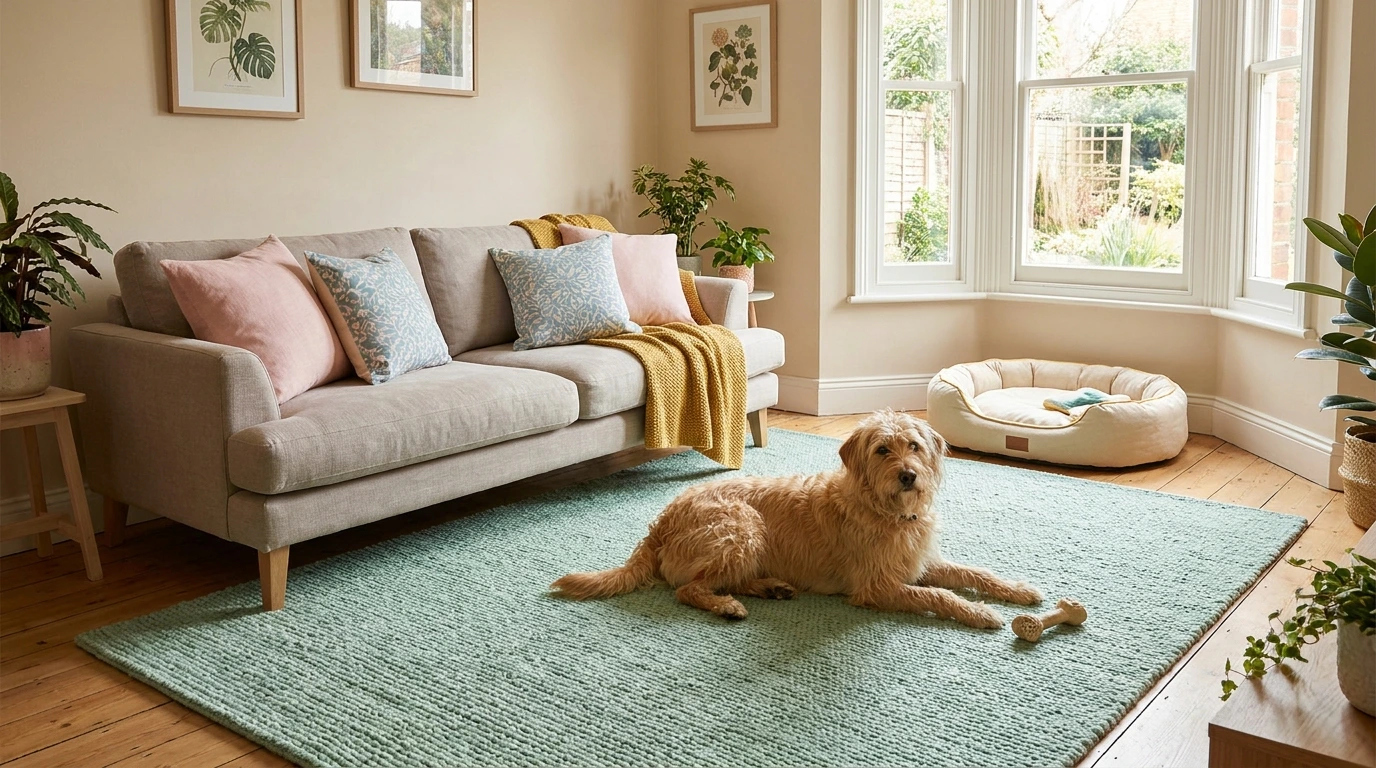
The color palette you choose sets the tone for the entire room. For a pet-friendly space, consider using soft, neutral colors as a base. These colors create a calm atmosphere and can easily be complemented by bolder accents.
Soft Neutrals and Pastels
Soft neutrals such as beige, soft gray, or light taupe provide a warm background. These colors are not only soothing for you but also create a relaxed environment for your pets. Pastels, like mint green or pale pink, can add a touch of playfulness without overwhelming the senses.
Bold Accents
Consider adding bold colors through accessories like cushions, throws, or even pet beds. A vibrant blue or sunny yellow can introduce a cheerful vibe while ensuring the room remains stylish. Choose materials that are easy to clean to maintain a fresh look.
Functional Furniture Selection
Selecting the right furniture is crucial for a pet-friendly room. Look for pieces that blend functionality with comfort, ensuring both you and your pet can enjoy the space.
Durable Fabrics
Opt for furniture upholstered in durable fabrics like microfiber or leather. These materials are resistant to stains and easier to clean, making them ideal for homes with pets. Additionally, consider furniture with removable covers that can be washed regularly.
Multi-Functional Pieces
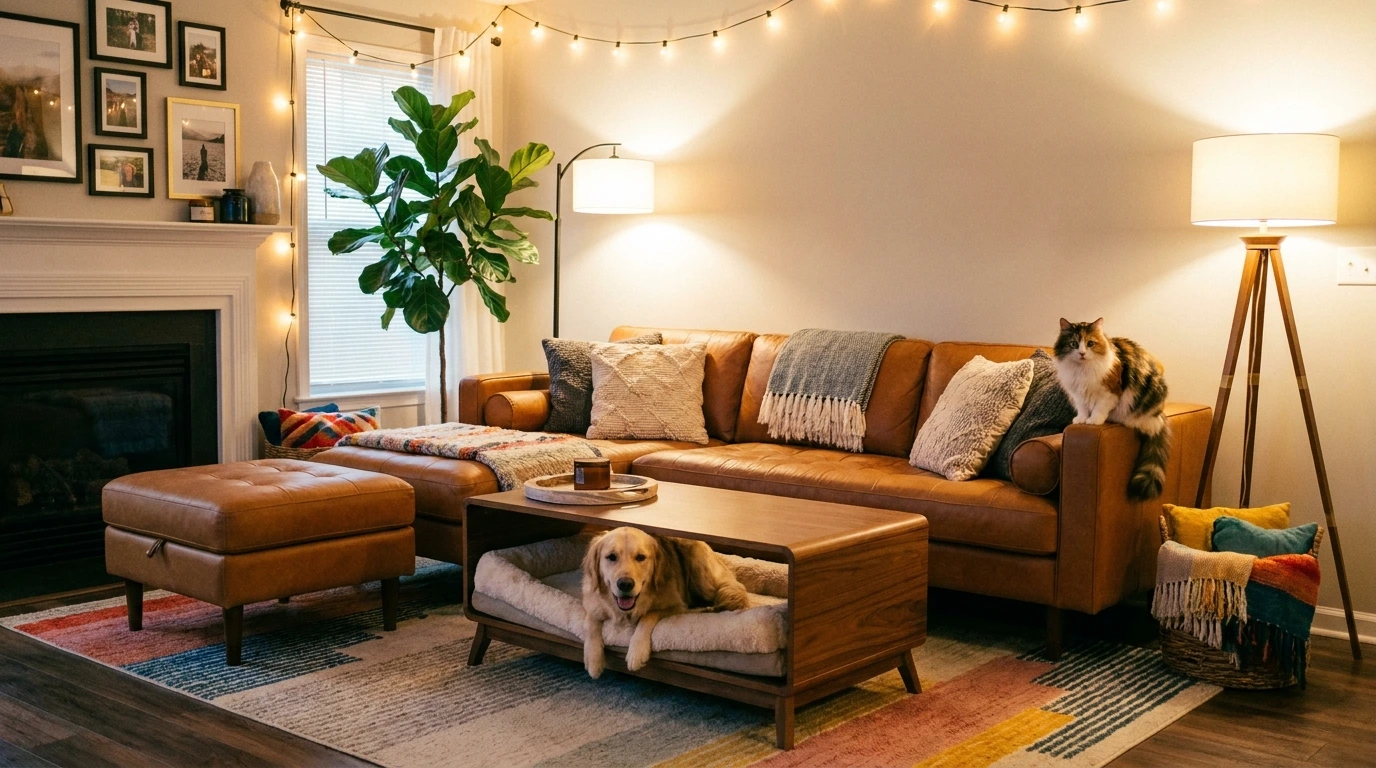
Invest in multi-functional furniture such as ottomans with storage inside or coffee tables with built-in pet beds. This not only saves space but also provides your pet with a cozy nook to relax while keeping the room tidy.
Creating Pet Zones
Designating specific areas for your pets can help keep the environment organized and reduce chaos. Clearly defined zones also help pets understand where they can play and relax.
Cozy Sleeping Areas
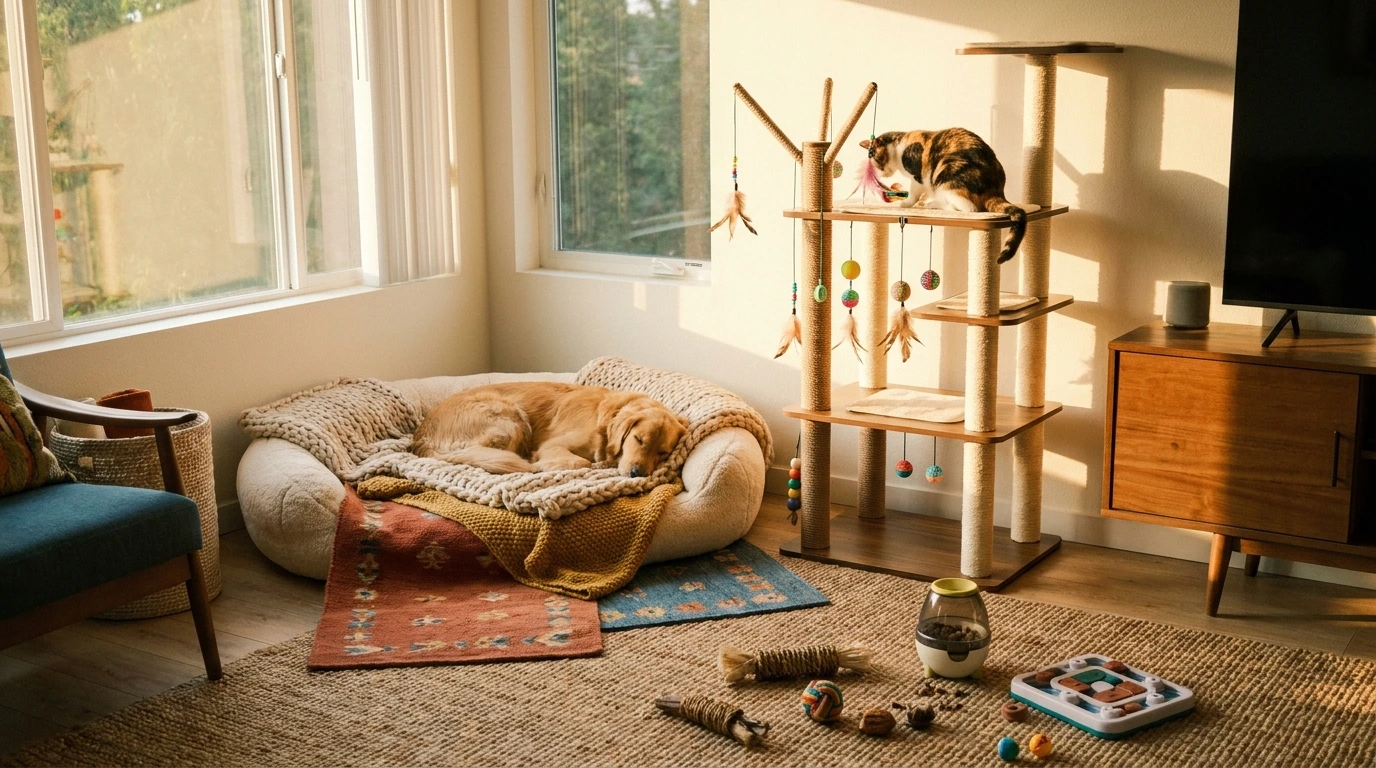
Allocate a quiet corner for your pet’s bed or crate. This area should be comfortable and away from the hustle and bustle of the household. Consider using soft rugs or blankets to make the space inviting, and add a few toys nearby for entertainment.
Play Areas
Set up a designated play area with pet-friendly toys and climbing structures. If you have a cat, consider incorporating shelves or cat trees that allow them to climb and explore. For dogs, a section with chew toys and interactive games can keep them engaged and happy.
Incorporating Stylish Storage Solutions
Keeping pet supplies organized is essential for maintaining a clutter-free space. Stylish storage solutions can blend seamlessly with your decor while serving a practical purpose.
Decorative Baskets
Use decorative baskets to store toys, leashes, and grooming supplies. Choose baskets that match your room’s color scheme to enhance visual appeal. This way, you can keep everything accessible while maintaining a tidy look.
Built-In Cabinets
Consider built-in cabinets or shelving units that can hide pet supplies. This can be especially useful in living areas where you want to keep the aesthetic clean. Customized cabinets can be designed to accommodate various pet items while blending beautifully with your home decor.
Adding Personal Touches
Incorporating personal touches can make a pet room feel truly special. These elements can reflect your personality and create a warm atmosphere.
Pet Portraits and Artwork
Hang framed photos or artwork that celebrates your pet. This could be a custom portrait or a collection of candid shots that capture their personality. Such pieces not only add charm to the space but also serve as conversation starters for guests.
Custom Pet Accessories
Invest in stylish pet accessories such as personalized feeding bowls or custom-made collars. These unique items can add a touch of elegance while ensuring your pet’s needs are met. Choosing high-quality materials will also prolong the lifespan of these accessories.
Ensuring Safety and Comfort
Safety should always be a priority when designing a pet room. Ensure that the space is free from hazards and that your pets can move around comfortably.
Pet-Proofing the Space
Remove any toxic plants or small items that could be swallowed. Secure loose wires and ensure that heavy objects are placed out of reach. Additionally, consider using non-slip rugs to prevent accidents when your pet is running around.
Comfortable Temperature Control
Ensure that your pet’s space is comfortable in terms of temperature and airflow. Use fans or heating pads as needed, and make sure there are shaded areas for pets to escape the heat. Keeping the environment pleasant will help them feel more at home.
FAQs
How can I keep my pet room clean?
Regularly vacuum and dust the area to minimize pet hair and dander. Use washable slipcovers on furniture and choose pet-friendly fabrics that are easy to clean.
What type of flooring is best for a pet room?
Hardwood, tile, or laminate flooring is ideal for pet rooms as they are durable and easy to clean. Consider adding area rugs for comfort, but ensure they are machine washable.
How can I make my pet feel more secure in their space?
Create a cozy sleeping area with their favorite blanket and toys. Additionally, maintaining a consistent routine can help your pet feel more secure in their environment.
Conclusion
Designing a pet-friendly room that is both adorable and functional is entirely achievable with thoughtful planning. By choosing the right color palette, furniture, and personal touches, you can create a space that caters to your pet’s needs while enhancing your home’s aesthetic. Remember to prioritize safety and comfort to ensure that both you and your furry companions can enjoy the space to the fullest.