
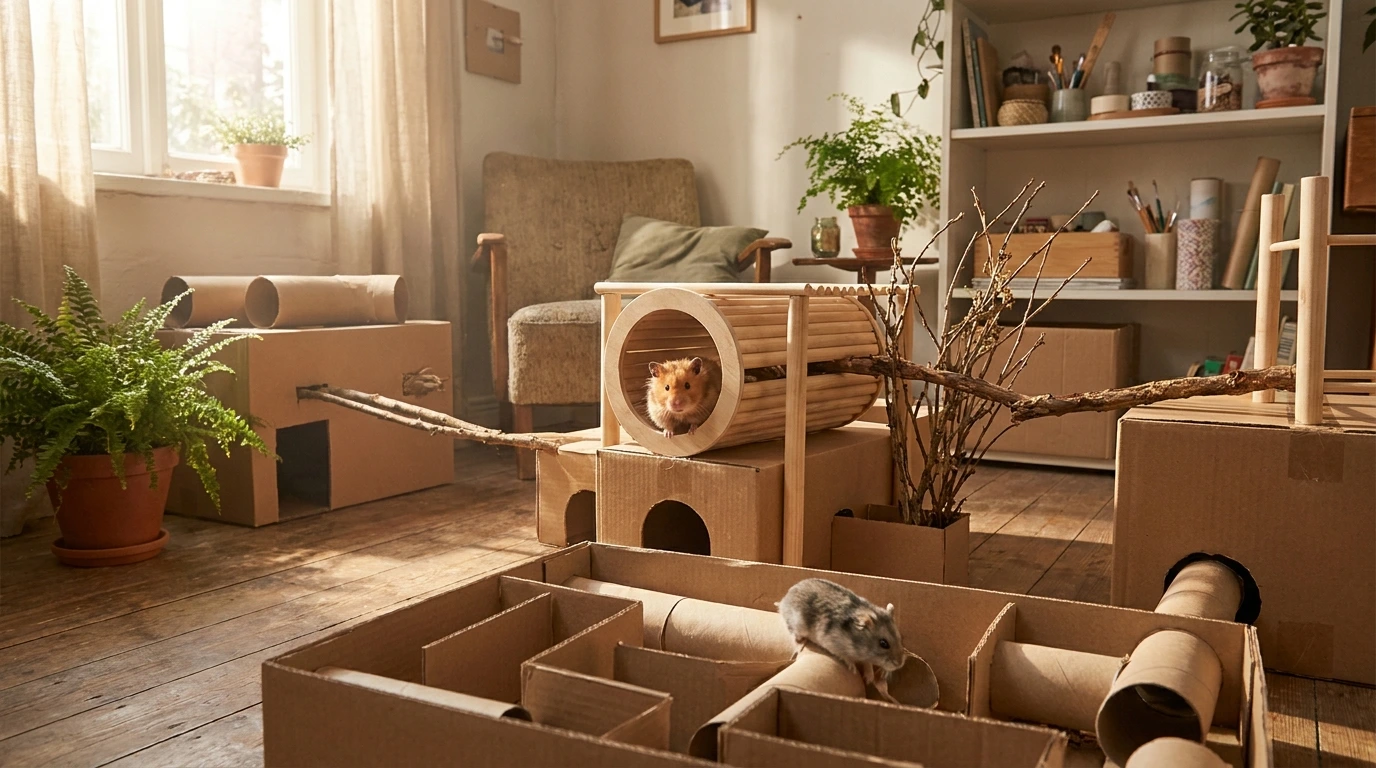
Creating a DIY hamster maze is an engaging way to provide your furry friend with mental stimulation and physical exercise. Not only does it keep your hamster entertained, but it also allows you to bond with your pet as you design and build a unique maze tailored to their preferences. This article will guide you through the process of constructing a hamster maze, highlighting various design ideas, materials, and tips for ensuring a safe and enjoyable experience for your pet.
Understanding Your Hamster’s Needs
Before diving into the construction of your DIY hamster maze, it’s essential to understand your hamster’s natural behaviors and needs. Hamsters are curious creatures that thrive on exploration and mental challenges. A well-designed maze can cater to these instincts, providing a safe environment for them to roam.
Recognizing Different Hamster Breeds
Different breeds of hamsters have varying activity levels and space requirements. For instance, Syrian hamsters are larger and require more room to explore, while dwarf hamsters are smaller and can navigate tighter spaces. Understanding the specific needs of your hamster breed will help you design a maze that is both safe and enjoyable.
Assessing Safety Considerations
When building a maze, safety should be your top priority. Ensure that all materials used are non-toxic and free from sharp edges that could harm your hamster. Avoid small parts that could be chewed off and swallowed, and supervise your pet during playtime to prevent accidents.
Materials for Your DIY Hamster Maze
Choosing the right materials is crucial for creating a durable and safe hamster maze. Here are some common materials you can use:
Cardboard and Paper
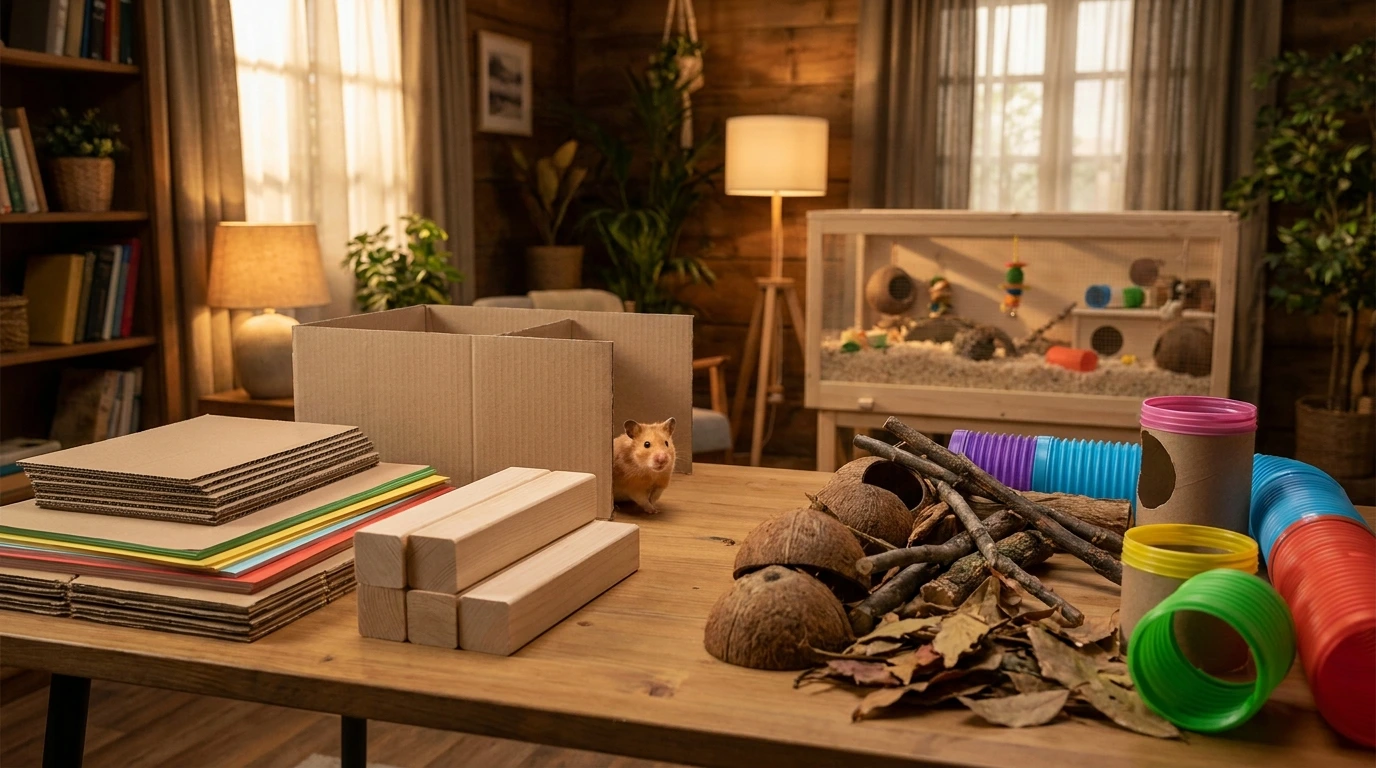
Cardboard is an excellent choice for building a maze because it’s lightweight, easy to manipulate, and readily available. You can cut cardboard into various shapes and sizes to create walls, tunnels, and barriers. Additionally, paper can be used to create different textures and hiding spots within the maze.
Wood and Natural Materials
If you want a more permanent solution, consider using untreated wood for your maze. Ensure that the wood is smooth and free from toxic finishes. Natural materials like coconut shells, untreated branches, and hay can also add interesting elements to your maze while providing hiding spots and chewable items.
Plastic Tubes and Containers
Plastic tubes and containers can create tunnels and chambers within your maze. Ensure that the tubes are wide enough for your hamster to move freely and do not have sharp edges. You can also connect different sections of the maze using these tubes to create a more complex layout.
Design Ideas for Your Hamster Maze
Now that you have your materials, it’s time to get creative with your maze design. Here are some ideas to inspire you:
Simple Straight Maze
A straightforward design consists of a linear path with several turns. This type of maze is easy to construct and perfect for younger hamsters or those who are new to maze exploration. Use cardboard to create walls and allow your hamster to navigate through the turns.
Multi-Level Maze
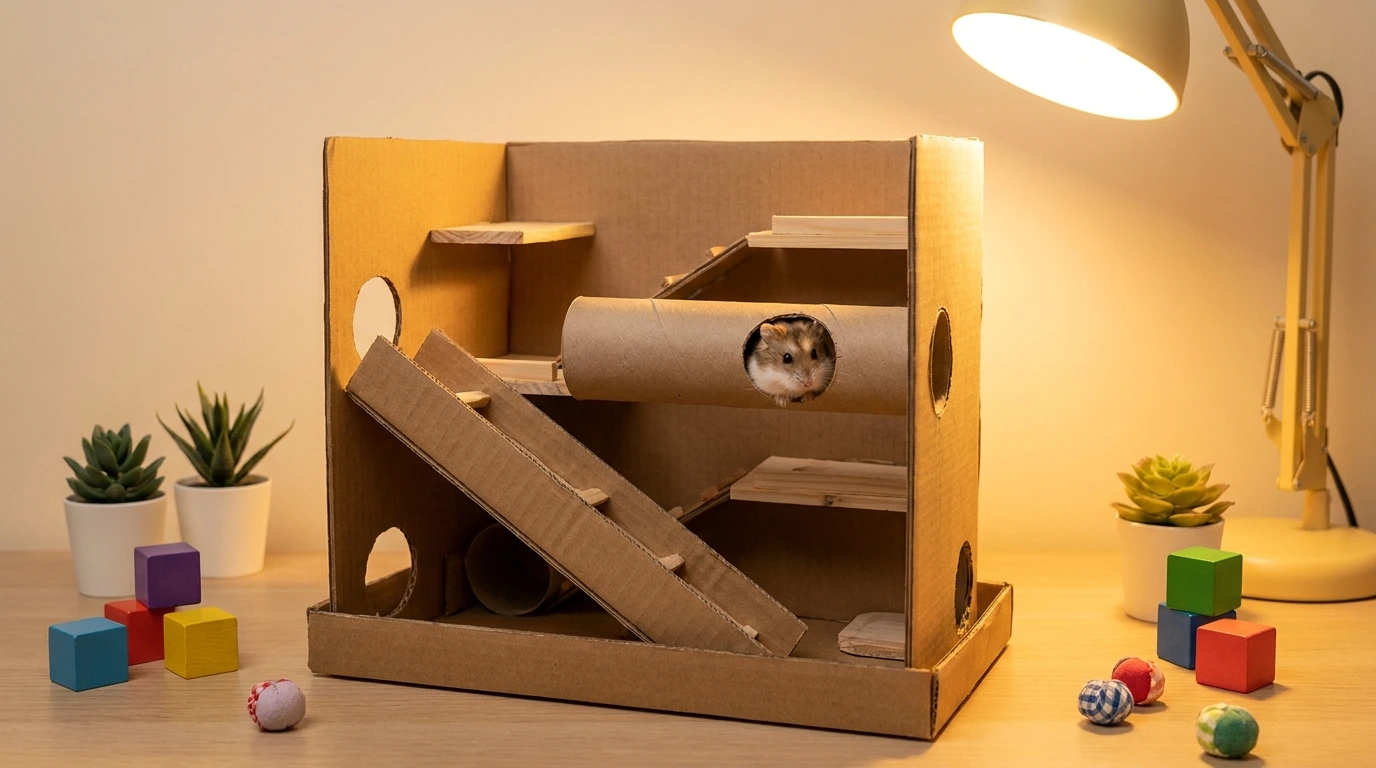
For a more challenging maze, consider creating multiple levels. You can use platforms made from wood or sturdy cardboard that your hamster can climb. Ensure that there are safe ramps or ladders connecting the levels. This design encourages climbing and exploration, which is great for physical activity.
Obstacle Course Maze
Incorporate obstacles such as tunnels, ramps, and small barriers that your hamster must navigate. This design keeps your hamster engaged and encourages problem-solving skills. You can use items like toilet paper rolls, small boxes, and other household items as obstacles.
Tips for Enhancing Your Hamster Maze Experience
To make the most out of your hamster maze, consider these tips:
Use Treats as Incentives
Encourage your hamster to explore the maze by placing treats strategically throughout the course. This can motivate them to navigate the maze and discover different areas, making the experience more enjoyable and rewarding.
Change the Layout Regularly
To keep your hamster interested, change the layout of the maze periodically. Rearranging walls, adding new obstacles, or introducing new materials can provide fresh challenges and prevent boredom.
Monitor Your Hamster’s Behavior
Observe how your hamster interacts with the maze. If they seem stressed or overwhelmed, it may be necessary to simplify the design. Conversely, if they navigate the maze quickly, consider adding complexity to enhance their experience.
FAQs
How often should I change my hamster’s maze design?
It is recommended to change your hamster’s maze design every few weeks or whenever you notice signs of boredom in your pet. Regular changes keep the environment stimulating and engaging.
Can I use glue or tape in my hamster maze?
Avoid using glue or tape that is not pet-safe, as these materials can be harmful if ingested. Instead, use materials that can be securely fitted together without adhesives.
What should I do if my hamster seems scared of the maze?
If your hamster appears scared or hesitant, simplify the maze layout and gradually introduce them to the maze. Use treats to encourage exploration and ensure the maze is well-lit and in a quiet area.
Conclusion
Building a DIY hamster maze is a rewarding project that enhances your pet’s quality of life by promoting physical activity and mental stimulation. By understanding your hamster’s needs, using safe and suitable materials, and incorporating creative designs, you can create an engaging environment for your furry friend. Regularly updating the maze layout and observing your hamster’s behavior will ensure they remain happy and healthy while enjoying their new playground.