
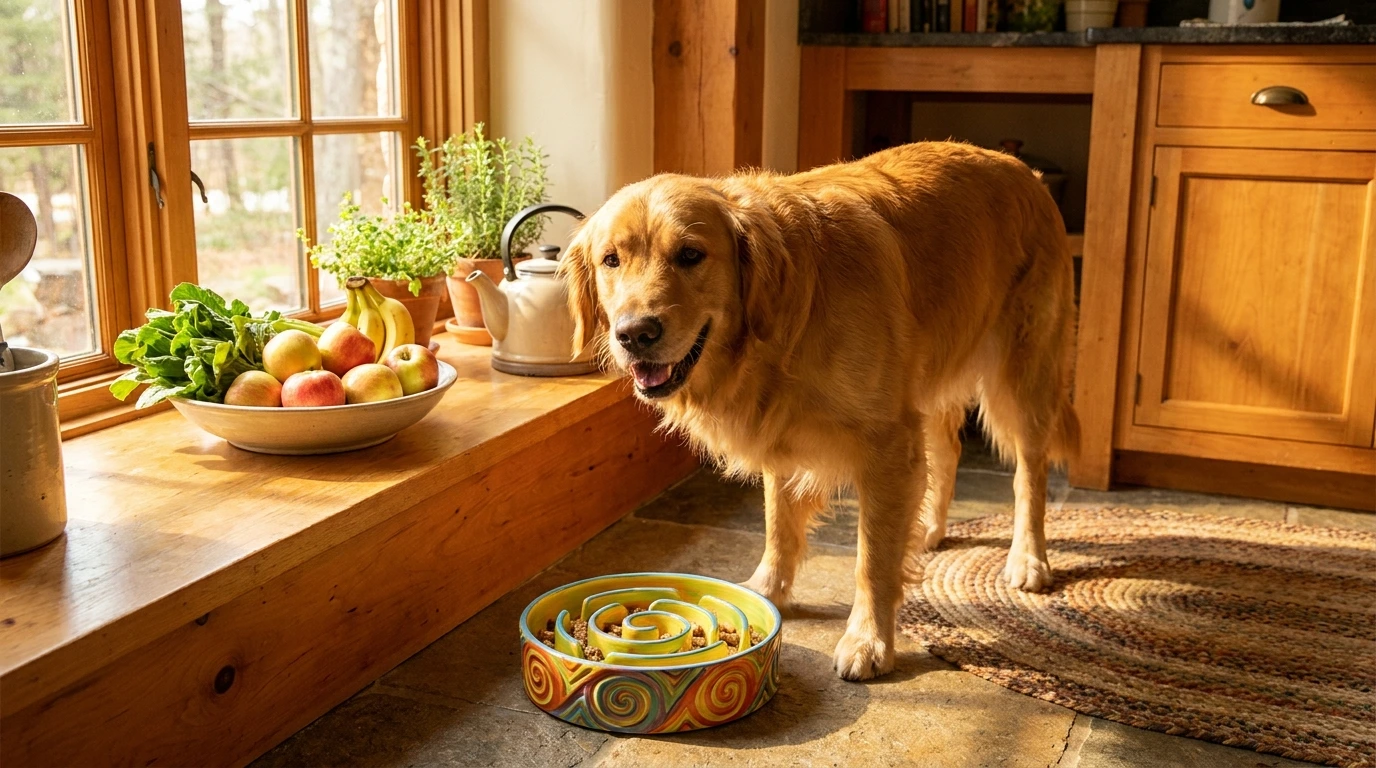
Creating a DIY slow feeder for dogs can be a game-changer for pet owners looking to improve their dog’s eating habits and overall health. Slow feeders help prevent dogs from gulping their food too quickly, which can lead to digestive issues, bloating, and even choking. By using simple materials found at home or easily obtainable, you can craft a fun and engaging slow feeder that promotes healthier eating habits. In this article, we will explore various DIY methods to create slow feeders, discuss their benefits, and provide answers to common questions.
Understanding the Benefits of Slow Feeders
Slow feeders are designed to encourage dogs to eat at a slower pace. This change in feeding behavior can lead to several health benefits, including improved digestion, weight management, and reduced risk of gastrointestinal issues.
Improved Digestion
When dogs eat too quickly, they often swallow excess air along with their food, leading to bloating and discomfort. Slow feeders promote a more deliberate eating pace, allowing for better digestion and nutrient absorption.
Weight Management
Fast eaters are more prone to overeating, which can contribute to obesity. By slowing down the eating process, dogs are more likely to recognize when they are full, helping to manage their weight effectively.
Reduced Risk of Choking
Gulping food can lead to choking hazards. Slow feeders encourage dogs to chew their food, reducing the risk of choking and enhancing their overall eating experience.
DIY Slow Feeder Ideas
Creating a slow feeder at home can be a simple and cost-effective solution. Here are some creative DIY ideas that you can implement using materials you may already have around your home.
1. Using a Muffin Tin
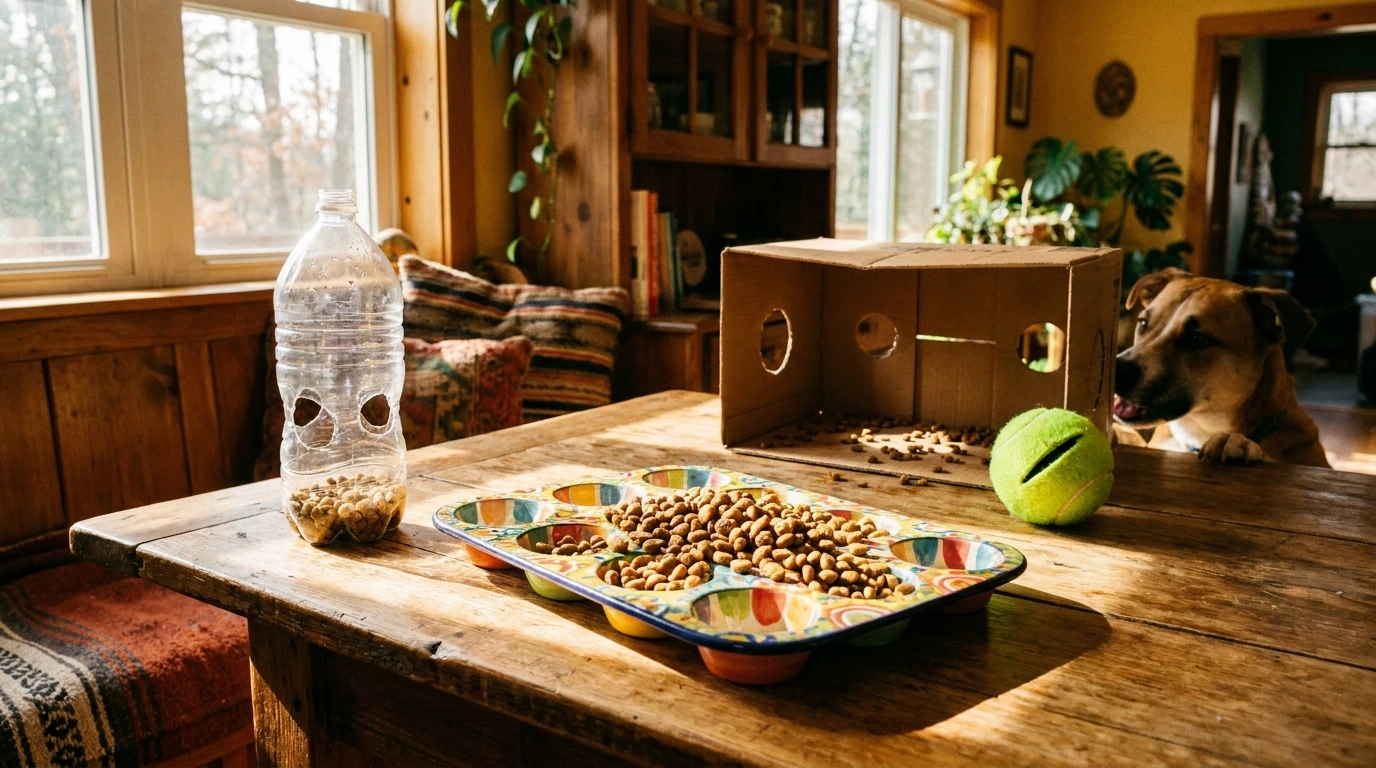
A muffin tin is a great way to create a slow feeder. Simply place your dog’s kibble in the individual cups of the muffin tin. This setup encourages them to work for their food, as they have to navigate around the cups to access their kibble.
2. Plastic Bottle Feeder
Take an empty plastic bottle and cut a few holes in it, just large enough for kibble to fall out. Fill the bottle with your dog’s food and secure the cap. As your dog rolls the bottle around, kibble will dispense gradually, encouraging slower eating.
3. DIY Puzzle Feeder
Transform a cardboard box into a puzzle feeder by cutting holes in the sides and placing your dog’s food inside. The dog will have to figure out how to reach the food, making mealtime an engaging and stimulating experience.
4. Tennis Ball Method
Take a tennis ball and cut a small slit in it. Fill it with your dog’s kibble and let them roll it around. The slits will allow a few pieces to come out at a time, promoting slow eating and playtime simultaneously.
Materials Needed for DIY Slow Feeders
Depending on the method you choose, here are some common materials you may need:
Recyclable Items
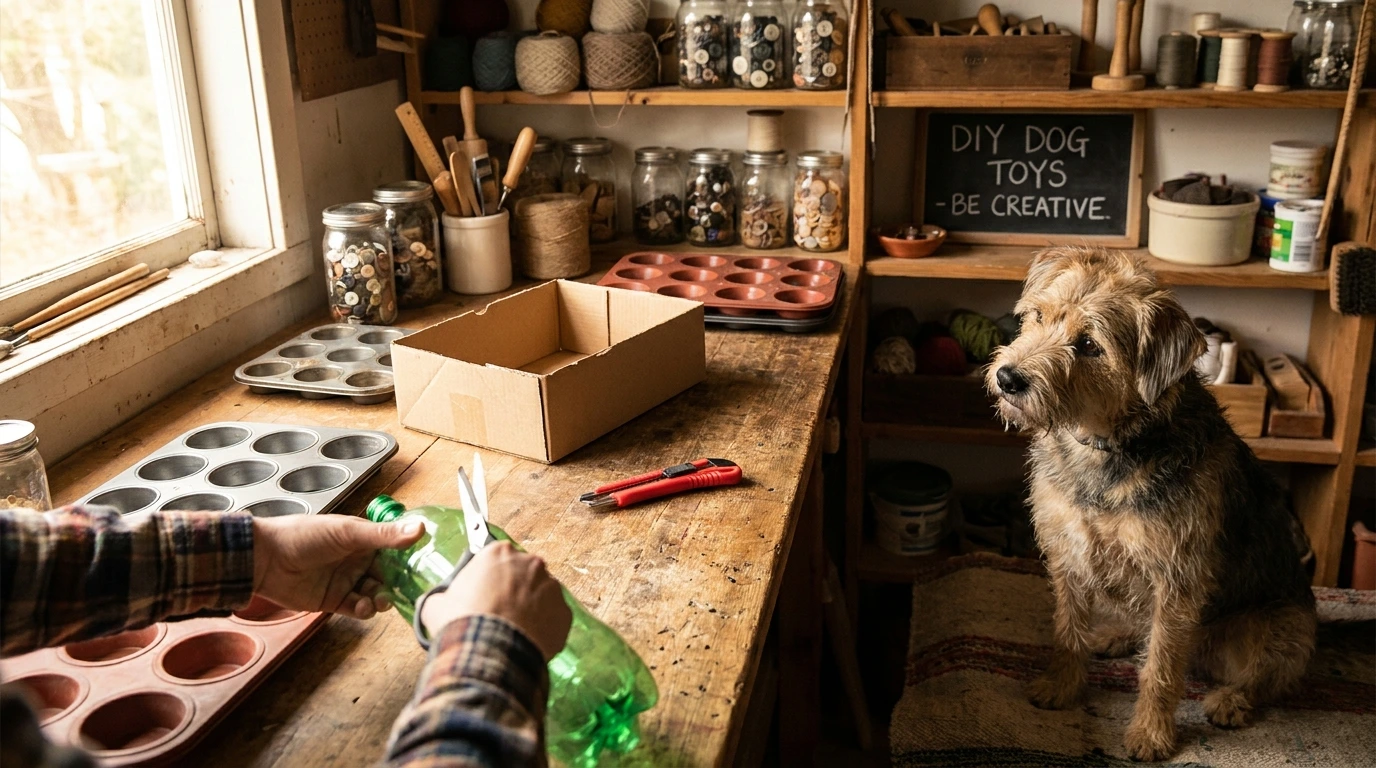
Many DIY slow feeders can be made from recyclable materials like plastic bottles, cardboard boxes, and muffin tins. These items are often free and can be easily repurposed.
Tools and Supplies
Basic tools like scissors, a utility knife, and tape may be necessary for some projects. Always ensure safety while using these tools and supervise your dog during feeding times.
How to Introduce a Slow Feeder to Your Dog
Transitioning your dog to a slow feeder should be done gradually. Here are some steps to ease them into the new feeding method.
Start Slowly
Begin by mixing regular feeding with the slow feeder. This can help your dog adjust to the new feeding style without feeling overwhelmed.
Supervised Feeding
During the initial phases, supervise your dog while they eat from the slow feeder. This allows you to monitor their behavior and ensure they are comfortable with the change.
Encourage Exploration
Encourage your dog to explore the slow feeder by engaging with them. Use treats or praise to motivate them to interact with the new feeding device, making it a positive experience.
FAQs
Are slow feeders safe for all dogs?
Slow feeders are generally safe for most dogs, but it is important to observe your dog’s behavior. If your dog has specific medical conditions or eating issues, consult your veterinarian before introducing a slow feeder.
How often should I use a slow feeder?
You can use a slow feeder at every mealtime. However, if your dog is adjusting well, it is fine to alternate between a slow feeder and regular feeding bowls, especially for training sessions or when you’re short on time.
Can I make a slow feeder for puppies?
Yes, slow feeders can be beneficial for puppies as well. Just ensure that any materials used are safe and appropriate for their size and chewing habits. Supervise them during feeding to prevent any choking hazards.
Conclusion
Creating a DIY slow feeder for your dog can significantly enhance their mealtime experience while promoting better health. From muffin tins to cardboard puzzles, there are numerous creative methods to encourage slower eating habits. By investing a little time and effort into crafting these feeders, you can help prevent digestive issues, manage your dog’s weight, and make mealtime more enjoyable. Implementing a slow feeder is a simple yet effective way to ensure your furry friend is eating safely and healthily.