
Creating a DIY cat scratcher from cardboard can be a fun and rewarding project for both you and your feline friend. Not only does it provide your cat with a designated place to scratch, promoting healthy claws and reducing furniture damage, but it also offers a creative outlet for you. This guide will walk you through the steps to make an effective and engaging cardboard scratcher, ensuring your cat stays entertained and satisfied.
Benefits of a Cardboard Cat Scratcher
Cardboard scratchers are a popular choice among cat owners due to their affordability and ease of creation. Here are some key benefits:
Cost-Effective Solution
Using cardboard, which is often available for free from old boxes, makes this an economical option. Unlike commercial scratchers that can be pricey, a DIY scratcher can be made with materials you already have, saving you money while providing a functional item for your cat.
Encourages Natural Scratching Behavior
Scratching is a natural behavior for cats, helping them to keep their claws healthy and to mark their territory. A cardboard scratcher gives them a designated area to engage in this behavior, reducing the likelihood that they will scratch your furniture or carpets.
Customizable Design
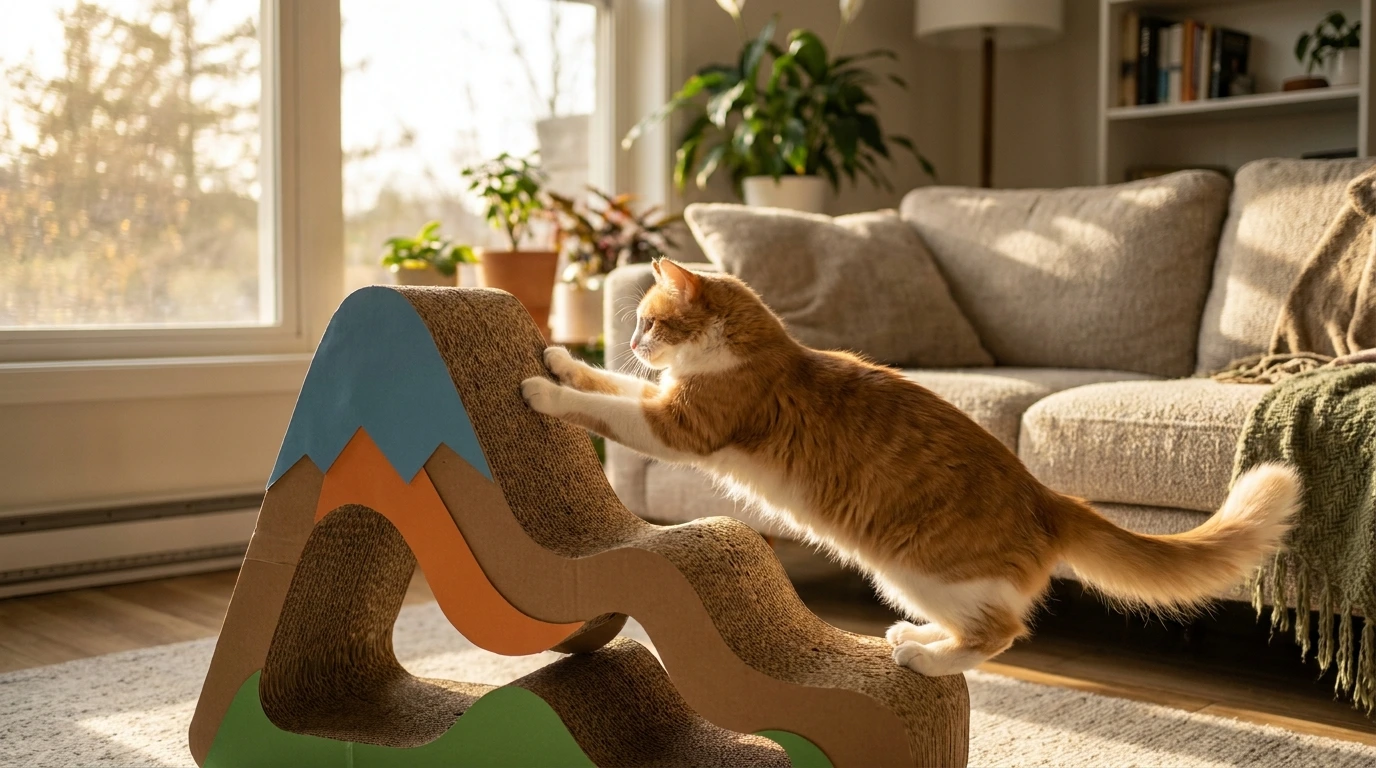
Creating your own scratcher allows you to customize the design to fit your cat’s preferences and your home decor. You can choose different shapes, sizes, and textures to cater to your cat’s scratching style, whether they prefer horizontal or vertical surfaces.
How to Make a DIY Cardboard Cat Scratcher
Making a cardboard cat scratcher is a straightforward process that requires minimal tools and materials. Here’s how to get started:
Materials Needed
Gather the following materials before you begin:
Cardboard boxes Utility knife or scissors Hot glue gun and glue sticks Ruler and pencil Optional: catnip for added attraction
Step-by-Step Instructions
Follow these steps to create a simple yet effective scratcher:
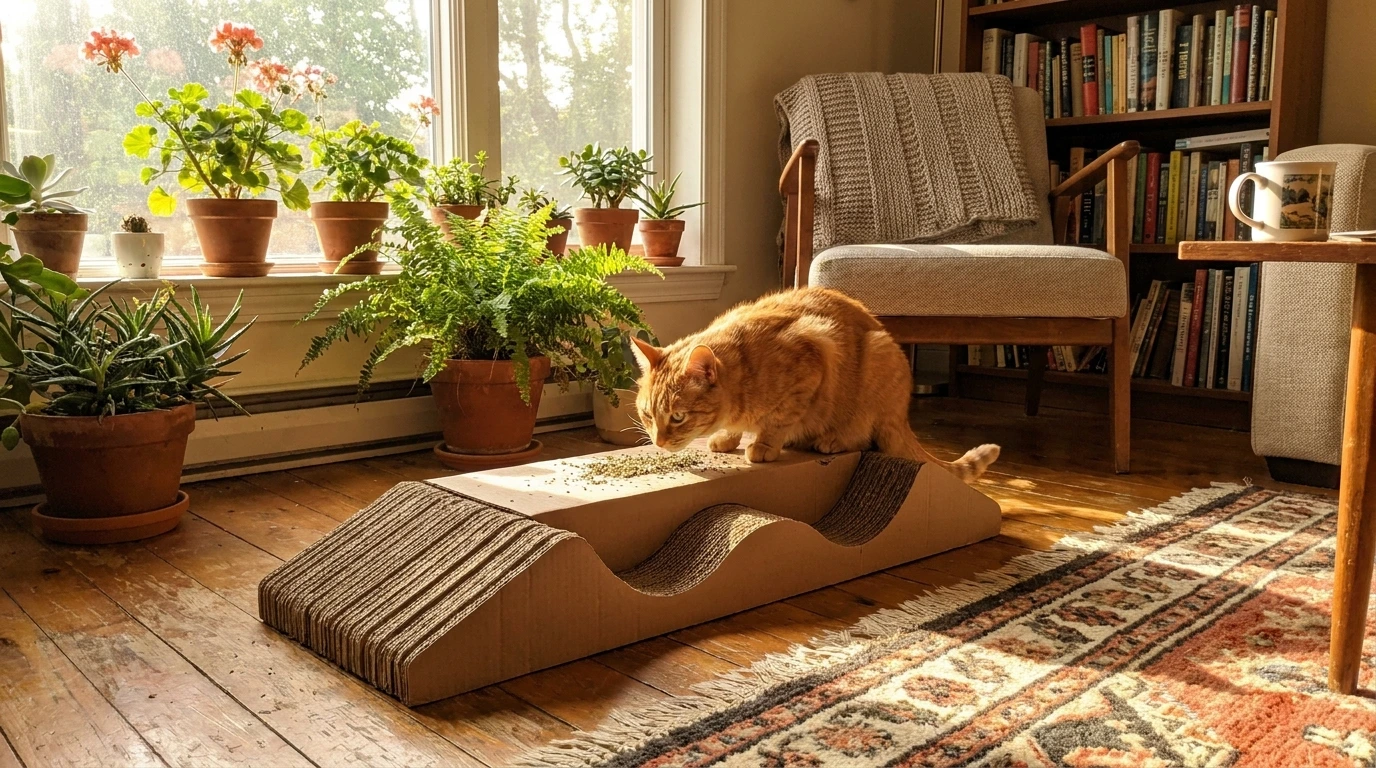
Choose Your Cardboard: Look for sturdy cardboard boxes. The thicker the cardboard, the more durable your scratcher will be. Avoid boxes that are too flimsy. Measure and Cut: Decide on the size of the scratcher. A good size is about 24 inches long and 8 inches wide. Use a ruler and pencil to mark your dimensions, then cut the cardboard using a utility knife or scissors. Layer the Cardboard: For added durability, consider layering two pieces of cardboard together. Apply hot glue between the layers and press them together until the glue sets. Shape the Scratcher: You can create a flat scratcher or a more complex design, such as an angled or curved shape. If creating an angled scratcher, cut the cardboard at an angle and glue the pieces securely. Add Texture: To enhance the scratching experience, you can glue additional strips of cardboard vertically across the surface. This will provide different textures for your cat to enjoy. Decorate (Optional): If you want to personalize the scratcher, paint it or cover it with fabric. Just ensure that any materials used are non-toxic and safe for pets. Introduce Catnip: If your cat enjoys catnip, sprinkle some on the scratcher to entice them to use it.
Maintaining Your Cardboard Scratcher
To ensure that your DIY scratcher lasts and continues to attract your cat, consider the following maintenance tips:
Regular Inspection
Check the scratcher regularly for signs of wear and tear. If you notice any loose pieces or damage, repair them promptly or consider replacing the scratcher to keep your cat safe.
Cleaning
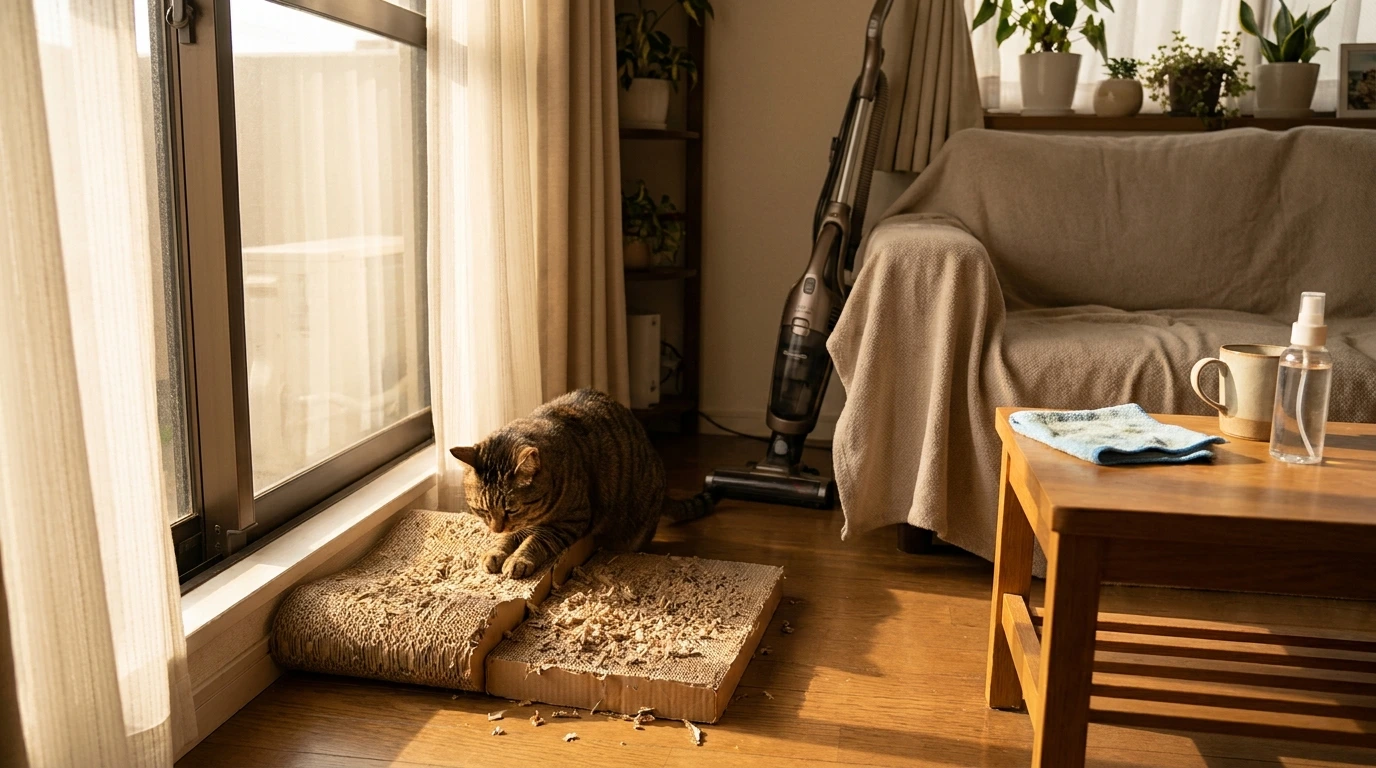
Cardboard can accumulate dust and dirt over time. Use a vacuum cleaner to remove debris and maintain hygiene. If necessary, lightly dampen a cloth and wipe the surface, but avoid soaking the cardboard as it may lose its structural integrity.
Replacement
Cardboard scratchers are not designed to last forever. Depending on your cat’s scratching habits, you may need to replace the scratcher every few weeks to months. Monitor your cat’s interest and replace it as needed to keep them engaged.
FAQs
How often should I replace my cat’s cardboard scratcher?
The frequency of replacement depends on how often your cat uses it. Generally, you should consider replacing it every few weeks to months, or sooner if it shows significant wear.
Can I make a scratcher with other materials?
Yes, while this guide focuses on cardboard, you can also use materials like wood or sisal rope. However, ensure any materials used are safe and suitable for your cat.
Will my cat actually use the cardboard scratcher?
Most cats are naturally inclined to scratch. By adding catnip and placing the scratcher in a prominent area, you can encourage your cat to use it. Monitor their behavior and adjust the scratcher’s location if necessary.
Is it safe for my cat to scratch cardboard?
Yes, cardboard is generally safe for cats. However, always supervise your cat to ensure they do not ingest large pieces of cardboard, as this could lead to digestive issues.
Conclusion
Creating a DIY cat scratcher from cardboard is a simple yet effective way to provide your cat with a designated scratching surface. Not only does it save money, but it also allows for personalization and creativity. By following the steps outlined above, you can craft a scratcher that meets your cat’s needs and keeps them entertained. Regular maintenance will ensure the scratcher remains functional and appealing, helping to foster your cat’s natural scratching instincts while protecting your furniture.