
Struggling with pet hair covering your furniture and clothing? You’re not alone; pet hair can be a persistent nuisance for pet owners. However, you can make effective and budget-friendly DIY pet hair removers that will help keep your home clean. In this article, we will explore various methods and materials you can use to create your own pet hair remover, providing you with practical solutions that are both easy and effective.
Understanding Pet Hair Removal
Before diving into DIY solutions, it’s important to understand why pet hair can be so difficult to remove. The hair from cats and dogs tends to cling to fabric and fibers due to static electricity and the unique texture of the hair. This means that traditional cleaning methods may not always be sufficient. Being aware of this will help you choose the right DIY techniques for your needs.
The Importance of Regular Grooming
One of the best ways to manage pet hair is through regular grooming. Brushing your pet not only reduces shedding but also helps you maintain a healthier coat. Depending on the breed, a weekly grooming session may suffice, while others may require daily care. This proactive approach minimizes the amount of hair that ends up in your living space.
Choosing Your DIY Method
When it comes to creating your own pet hair remover, there are several methods you can try. Each has its own advantages, and the effectiveness may vary depending on the surfaces you are cleaning. Let’s explore some popular DIY techniques you can implement at home.
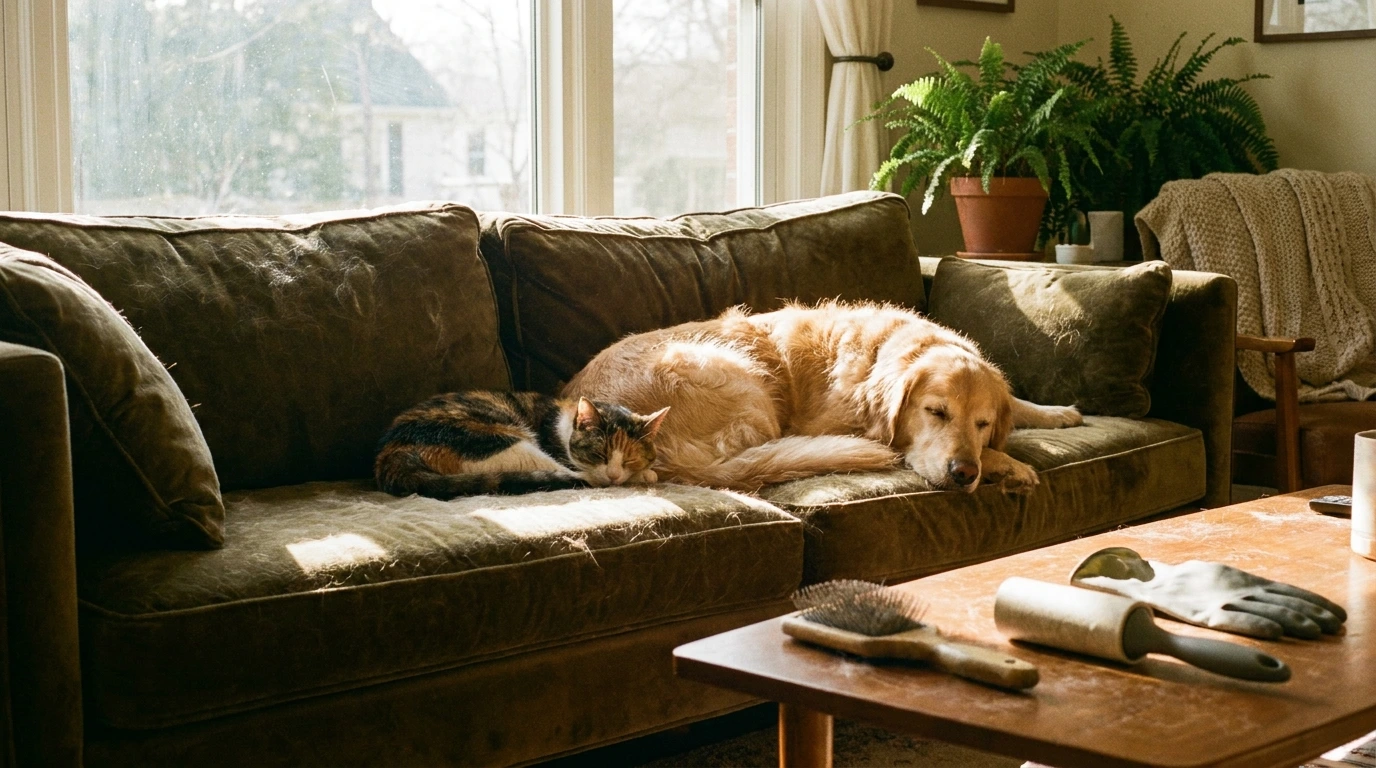
DIY Pet Hair Remover Techniques
The following sections detail different DIY methods for removing pet hair, including materials you can easily find at home. Experimenting with these methods can help you find the best solution for your specific situation.
Using Rubber Gloves
One simple and effective method for removing pet hair involves using rubber gloves. The rubber material creates friction that attracts pet hair, making it easy to gather and remove. Simply put on a pair of rubber gloves, dampen them slightly, and run your hands over the surfaces where pet hair is present. The hair will cling to the gloves, allowing you to easily wipe it away.
Creating a Sticky Roller
You can also create a DIY sticky roller using items you probably already have at home. Take an empty toilet paper roll and wrap it with masking tape, sticky side out. This homemade roller is perfect for quick touch-ups on clothing and upholstery. Simply roll it over the surface, and the sticky tape will pick up the hair effectively.
Using Lint-Free Cloths
Lint-free cloths are another great option for collecting pet hair. These cloths can be dampened slightly for better results. Wipe the cloth over furniture and other surfaces, and the hair will stick to the cloth without leaving lint behind. This method is particularly useful for delicate fabrics.
Vacuum Cleaner Hacks
If you have a vacuum cleaner, you can enhance its hair-removing capabilities with some simple hacks. Attach a rubber brush or a squeegee to the vacuum hose to create a more effective hair removal tool. The rubber will help dislodge hair from fabrics, making it easier for the vacuum to pick it up.
Using a Squeegee
A squeegee is an often-overlooked tool for pet hair removal. The rubber blade can be effective on carpets and upholstery. Simply run the squeegee across the surface, and the pet hair will clump together, making it easy to collect and dispose of. This method is particularly useful for larger areas.
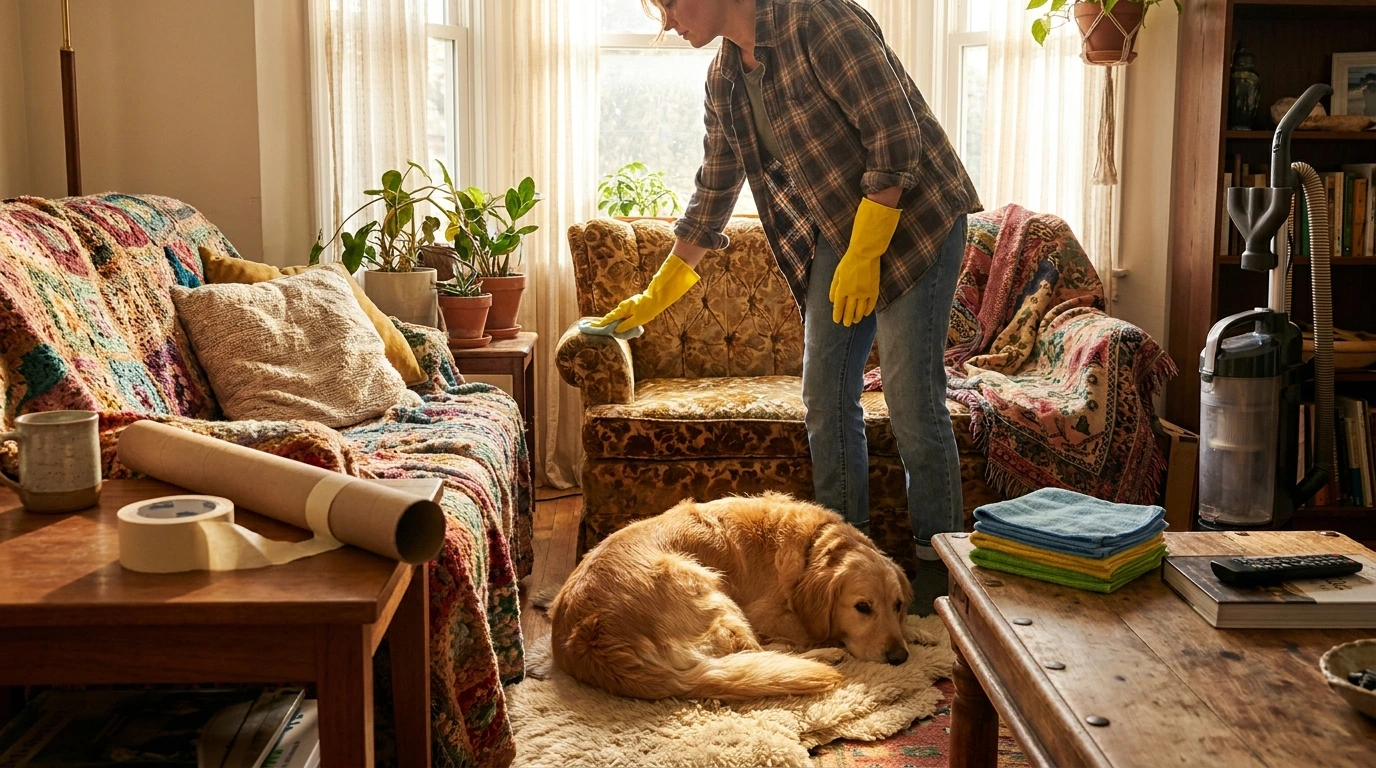
Choosing the Right Cleaning Products
While DIY methods can be highly effective, consider using cleaning products specifically designed for pet hair removal. These products often contain antistatic properties that help prevent hair from sticking to surfaces. However, always ensure that any product used is safe for pets and does not contain harsh chemicals.
Natural Cleaning Solutions
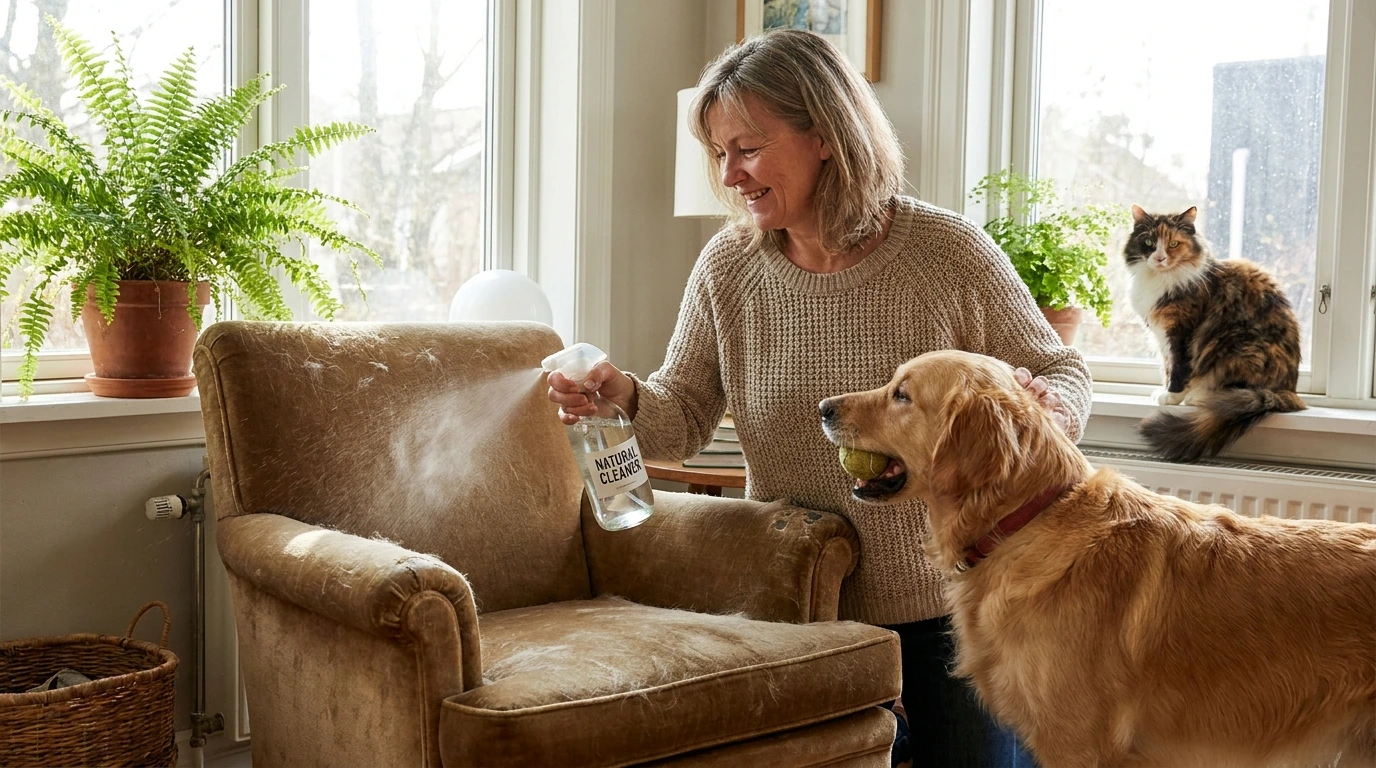
If you prefer natural solutions, consider mixing water with white vinegar in a spray bottle. This mixture can help reduce static cling and make it easier to remove pet hair. Lightly mist the area before wiping it down with a cloth, and you will notice a significant difference in hair removal.
When to Seek Professional Help
Sometimes, despite your best DIY efforts, pet hair can still be a challenge, especially in homes with multiple pets. In such cases, seeking professional cleaning services that specialize in pet hair removal may be beneficial. They have specialized equipment and techniques that can achieve results beyond standard home cleaning methods.
FAQs
How often should I groom my pet to reduce shedding?
The frequency of grooming depends on the breed of your pet. Long-haired breeds may require daily grooming, while short-haired breeds may only need grooming once a week. Regular grooming helps to reduce shedding and keeps your pet’s coat healthy.
Can I use regular tape instead of masking tape for the sticky roller?
Yes, you can use regular tape, but masking tape is often preferred due to its gentler adhesive, which is less likely to leave residue on surfaces. If you use regular tape, ensure it is not too sticky to avoid damaging fabrics.
Are there any specific vacuum cleaners that are better for pet hair removal?
Yes, vacuum cleaners designed specifically for pet owners often feature stronger suction, specialized brushes, and filters that capture pet dander. Look for models that are labeled as pet-friendly for the best results.
Is it safe to use vinegar around pets?
Yes, diluted white vinegar is generally safe for pets. However, always ensure that your pets do not ingest it in large quantities. It is advisable to test any cleaning solution in a small area first to ensure it does not irritate your pet’s skin or coat.
Conclusion
Managing pet hair in your home can be a daunting task, but with the right DIY methods, you can significantly reduce the mess. From rubber gloves and sticky rollers to vacuum hacks and natural cleaning solutions, there are numerous effective techniques to explore. Regular grooming combined with these DIY strategies can help you maintain a cleaner, hair-free environment, allowing you to enjoy your time with your furry friends without the worry of hair-covered surfaces.