
Creating a DIY pet toy box is a wonderful way to keep your furry friend’s toys organized while adding a personal touch to your home decor. Not only will this project help manage the clutter of scattered toys, but it also provides an opportunity for you to engage in a fun and creative endeavor. In this article, we will explore various designs, materials, and steps to build a functional and aesthetically pleasing toy box that your pet will love.
Choosing the Right Materials for Your Pet Toy Box
When embarking on your DIY pet toy box project, selecting the right materials is crucial for both functionality and durability. You want a box that can withstand your pet’s playful antics while also being safe for them.
Wood Options
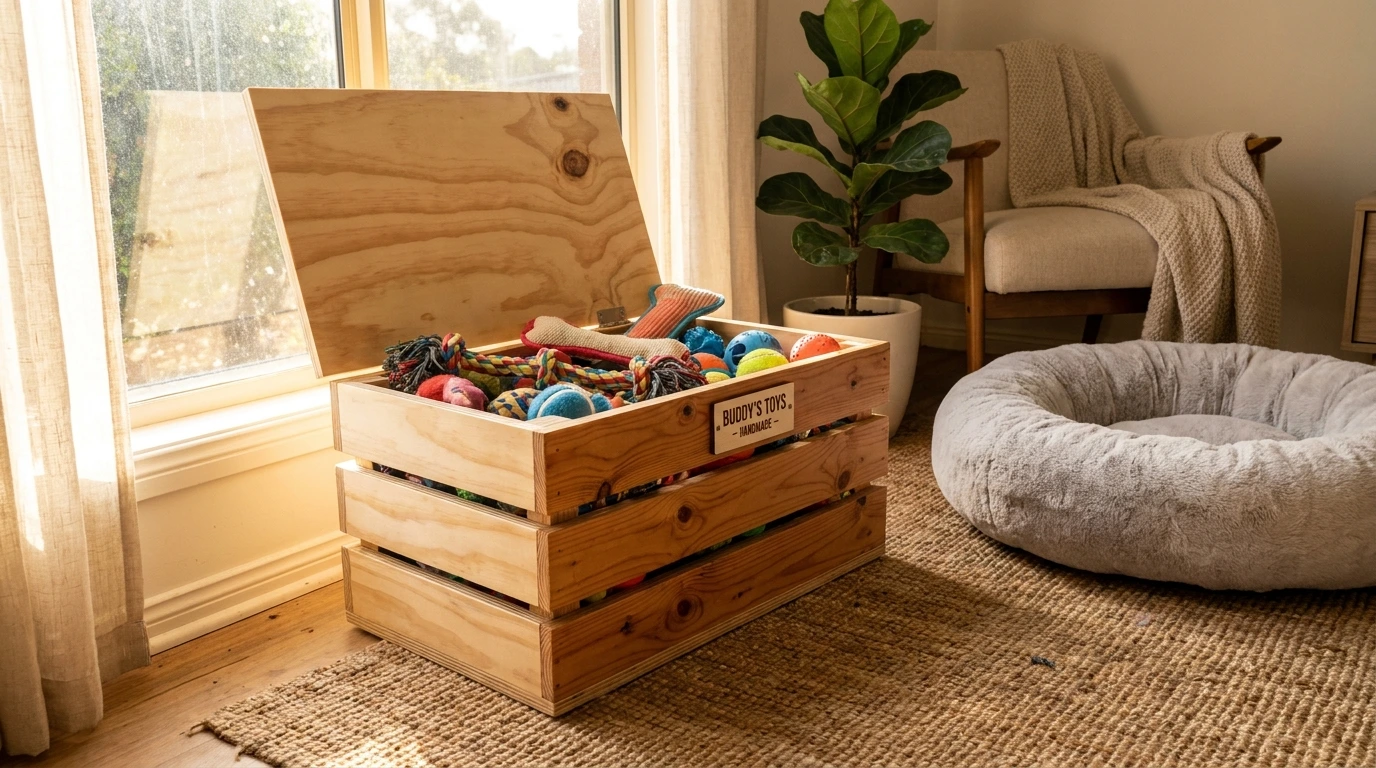
Wood is a popular choice for DIY projects due to its strength and versatility. Plywood or pine are excellent options, as they are easy to work with and relatively inexpensive. If you want something sturdier, consider using oak or maple, though they may be pricier. Always ensure that the wood is untreated and free of harmful chemicals to ensure your pet’s safety.
Plastic Alternatives
Plastic bins are another viable option for a pet toy box. They are lightweight and often come with lids, which can help keep your pet’s toys contained. Ensure the plastic is durable and BPA-free. Clear plastic options allow you to see the contents easily, making it simple for you and your pet to find their favorite toys.
Designing Your DIY Pet Toy Box
Once you’ve chosen your materials, it’s time to think about design. The design should reflect your home’s decor while being functional for your pet’s needs.
Size and Shape Considerations
The size of the toy box should be adequate to hold all of your pet’s toys without taking up too much space in your home. A rectangular box is a classic choice, but you could also consider a cube shape or even a decorative trunk. Measure your pet’s toys and the area where you plan to place the box to ensure a perfect fit.
Personalizing Your Toy Box
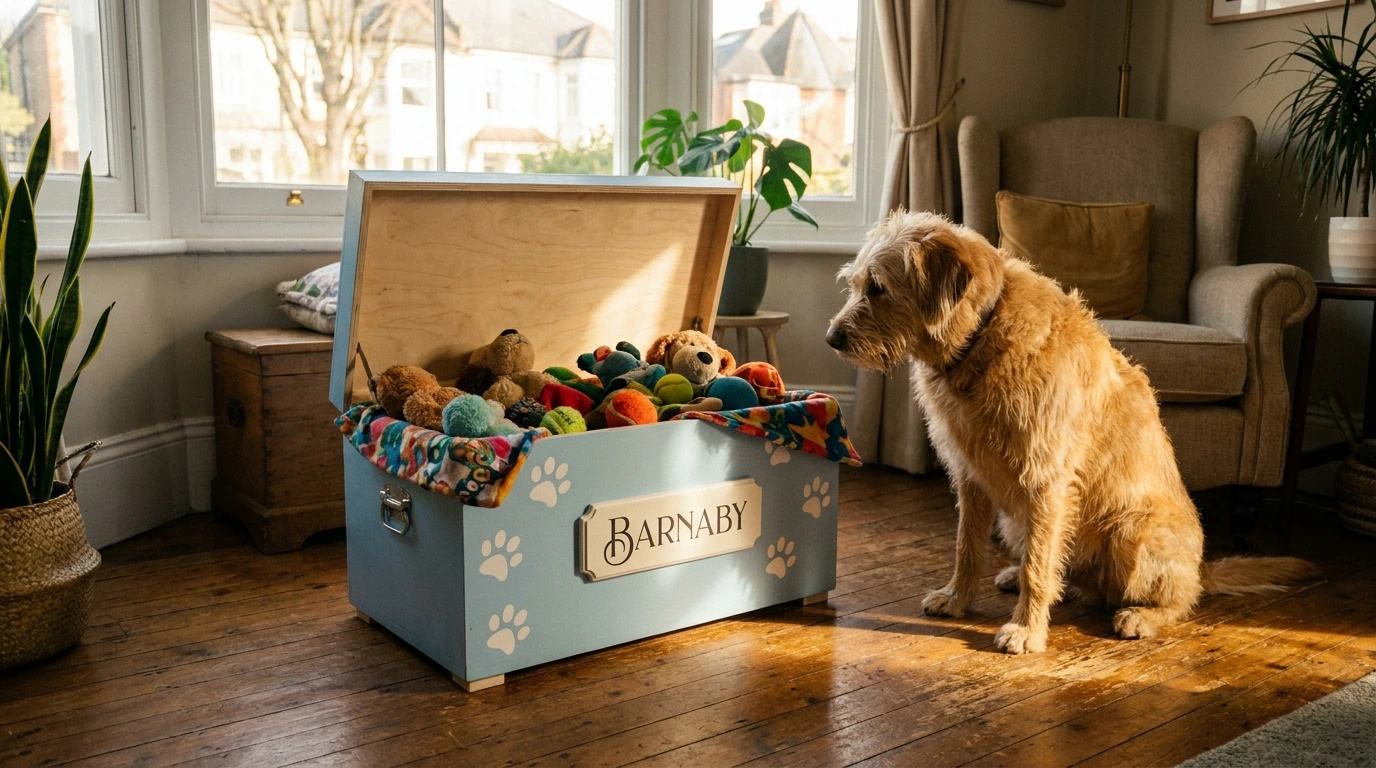
Adding personal touches can make your DIY project even more special. You might consider painting the box in your pet’s favorite color or adding their name with stencils. You could also apply fun decals or designs that reflect your pet’s personality, such as paw prints or cartoon animals. For an added touch, you can line the inside with a soft fabric to make it cozy.
Step-by-Step Instructions to Build Your Pet Toy Box
Now that you have your materials and design in mind, follow these steps to construct your toy box.
Tools You Will Need
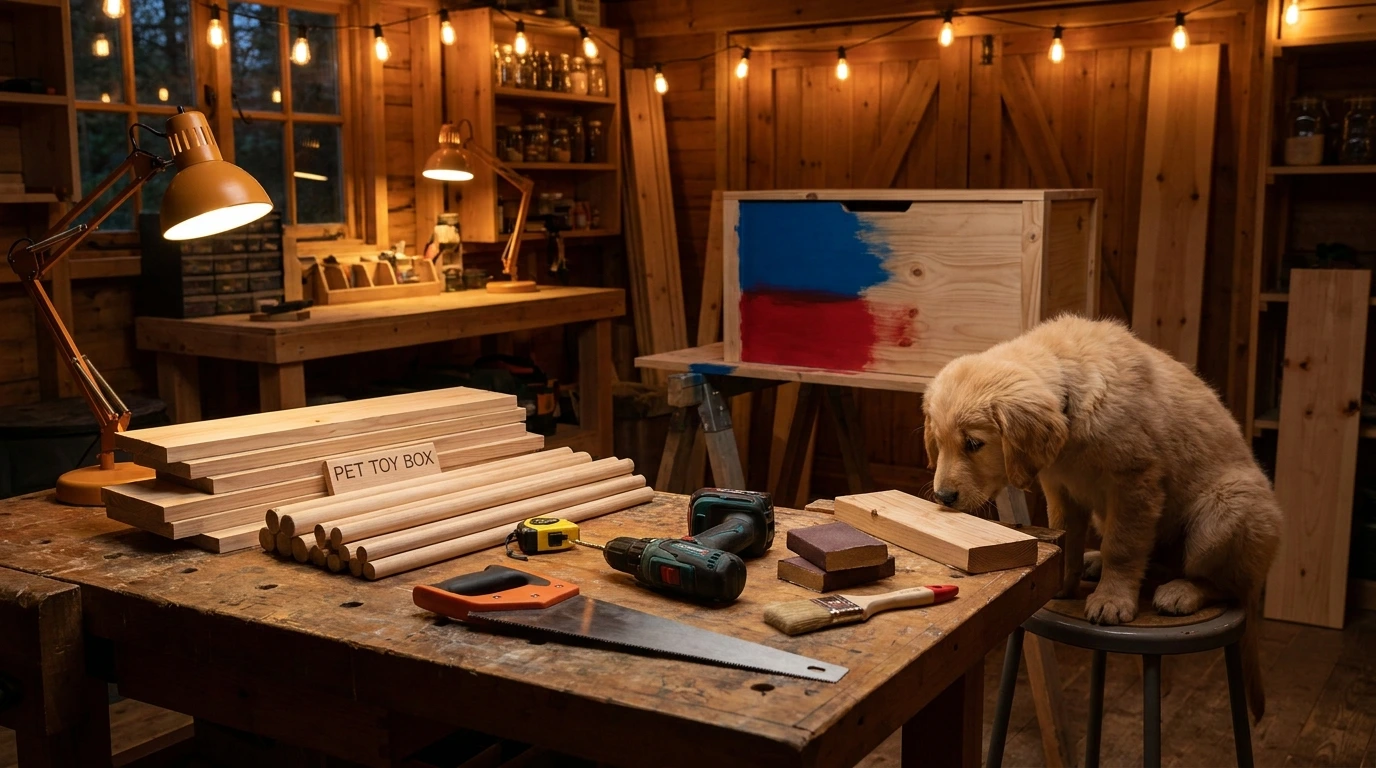
Gather the necessary tools before starting your project. Common tools required include a saw, drill, measuring tape, sandpaper, and paintbrush. Having everything on hand will make your building process smoother.
Building Process
1. **Measure and Cut**: Start by measuring and cutting your wood or plastic to the desired dimensions. If you’re using wood, ensure that the edges are straight and smooth by sanding them down. 2. **Assemble the Box**: Using screws or nails, assemble the sides, bottom, and top of the box. Make sure it is sturdy enough to hold the weight of your pet’s toys. 3. **Finish the Surface**: After assembling, apply a coat of paint or sealant to protect the box. If using paint, ensure it is non-toxic and pet-safe. 4. **Add Personal Touches**: Once the paint has dried, add any personal touches you desire. This could involve stenciling your pet’s name or attaching decorative handles.
Maintaining Your DIY Pet Toy Box
After you’ve built your pet toy box, regular maintenance will keep it looking great and functioning well. . Cleaning it periodical is essential to remove any dirt, hair, or debris that may accumulate over time.
Cleaning Tips
To clean a wooden toy box, use a damp cloth with mild soap and water. Avoid harsh chemicals that can be harmful to pets. For plastic bins, a simple wipe down with a disinfectant that is safe for pets will suffice. Ensure that the toy box is completely dry before refilling it with toys to prevent mold and mildew.
Inspecting for Wear and Tear
Regularly check your toy box for any signs of wear and tear. Look for loose screws, sharp edges, or any damage that could pose a safety risk to your pet. Promptly address any issues to ensure a safe play environment.
FAQs
What type of toys should I store in the box?
You can store various types of toys in the box, including plush toys, chew toys, balls, and interactive toys. Make sure to rotate the toys regularly to keep your pet engaged.
How do I choose the right size for my pet’s toy box?
The size of the toy box should be determined by the number and size of your pet’s toys. Ensure it is large enough to hold the toys but not so large that it becomes cumbersome to move.
Can I use a pre-made storage bin instead of building a toy box?
Yes, using a pre-made storage bin is a great option for those who may not want to build a toy box from scratch. Just ensure it meets the safety requirements for your pet.
How can I ensure my pet is safe around the toy box?
To ensure safety, use non-toxic materials, smooth edges, and secure any parts that could pose a risk. Always supervise your pet while they are playing near the toy box.
Conclusion
Building a DIY pet toy box is a rewarding project that not only helps organize your pet’s toys but also enhances your home. By selecting the right materials, designing a personalized box, and following the step-by-step instructions, you can create a functional and stylish storage solution. Regular maintenance will ensure longevity and safety, making it a perfect addition to your pet-friendly home. With your creativity and care, your furry friend will have a special place for their beloved toys for years to come.