
Creating a DIY bird feeder toy is a rewarding project that not only benefits local wildlife but also adds a delightful touch to your garden or balcony. By providing birds with a reliable food source, you can attract various species, offering you the chance to observe their beauty up close. This article will guide you through the process of making your own bird feeder toy, discussing materials, designs, and tips to ensure your feathered friends enjoy their new dining spot.
Choosing the Right Materials
Before diving into the construction of your DIY bird feeder toy, it’s essential to select the right materials. The choice of materials impacts both the durability of the feeder and the safety of the birds that visit it.
Natural Wood
Natural wood is an excellent choice for a bird feeder due to its durability and aesthetic appeal. It is important to choose untreated wood to avoid exposing birds to harmful chemicals. Cedar and pine are popular options; they resist decay and provide a rustic look that blends well with natural environments.
Recycled Containers
Using recycled containers is a sustainable approach to creating a bird feeder. Plastic bottles, tin cans, and even old wooden pallets can be repurposed. Ensure that any container you choose is cleaned thoroughly to remove any residues that could harm the birds.
Bird-Friendly Seed
Stocking your feeder with the right type of birdseed is crucial. Black oil sunflower seeds, nyjer seeds, and mixed birdseed blends are popular choices that attract various species, including finches, sparrows, and cardinals. Avoid using bread or human food, as these can be harmful to birds.
Simple DIY Bird Feeder Designs
There are numerous designs for DIY bird feeders, ranging from simple to more complex constructions. Here are a few easy-to-follow designs that can accommodate different skill levels.
The Pine Cone Feeder
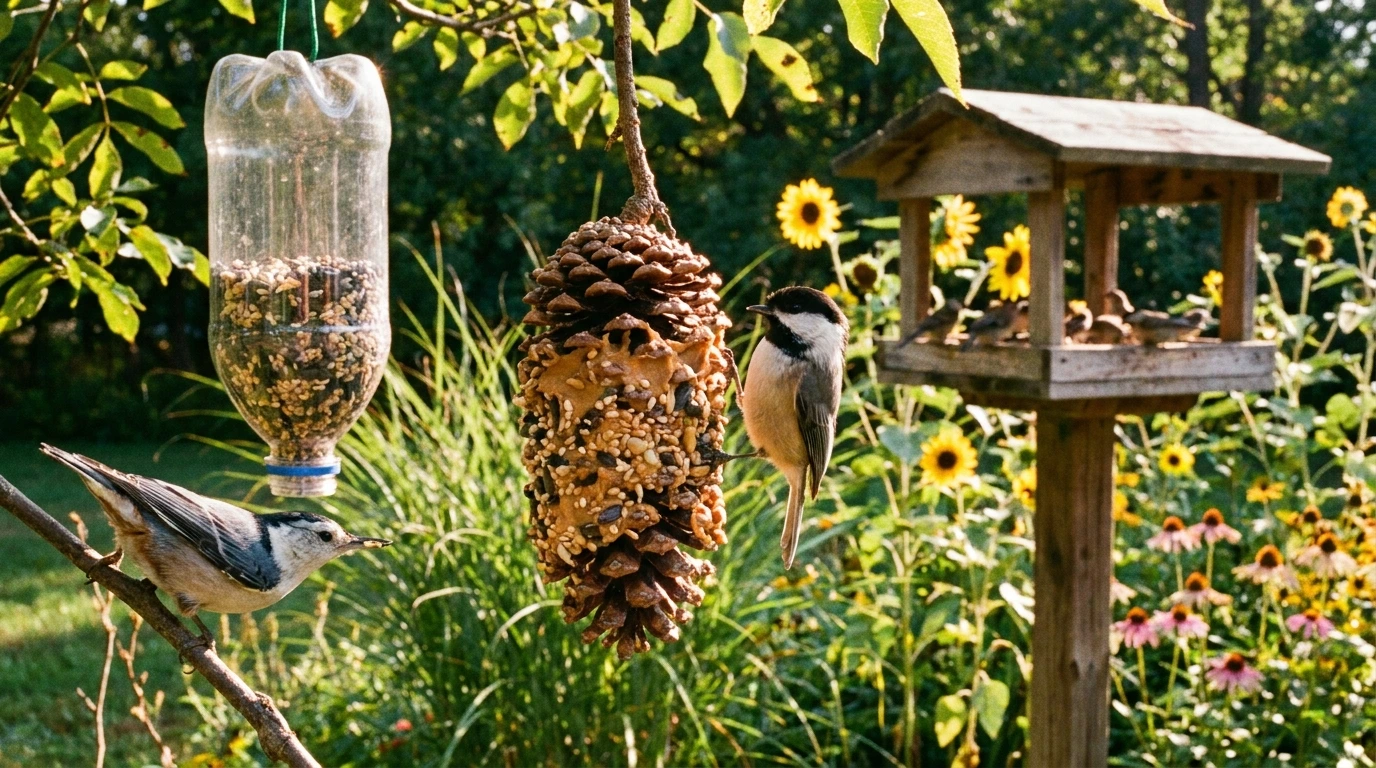
This is one of the simplest bird feeder designs and can be made with materials you likely have at home. Start by gathering a pine cone, peanut butter, and birdseed. Spread peanut butter over the pine cone, ensuring it gets into the crevices. Roll the coated pine cone in birdseed until covered, then attach a string to the top and hang it from a tree branch. This feeder is especially appealing to smaller birds like chickadees and nuthatches.
The Plastic Bottle Feeder
A plastic bottle bird feeder is a great way to recycle. Begin by taking a clean, empty plastic bottle and making small holes near the bottom. These holes should be just large enough for birds to access the seeds inside. Fill the bottle with birdseed, secure the cap, and hang it upside down using a sturdy string. This design allows seeds to flow down as birds feed, reducing waste and ensuring a steady supply of food.
The Wooden Platform Feeder
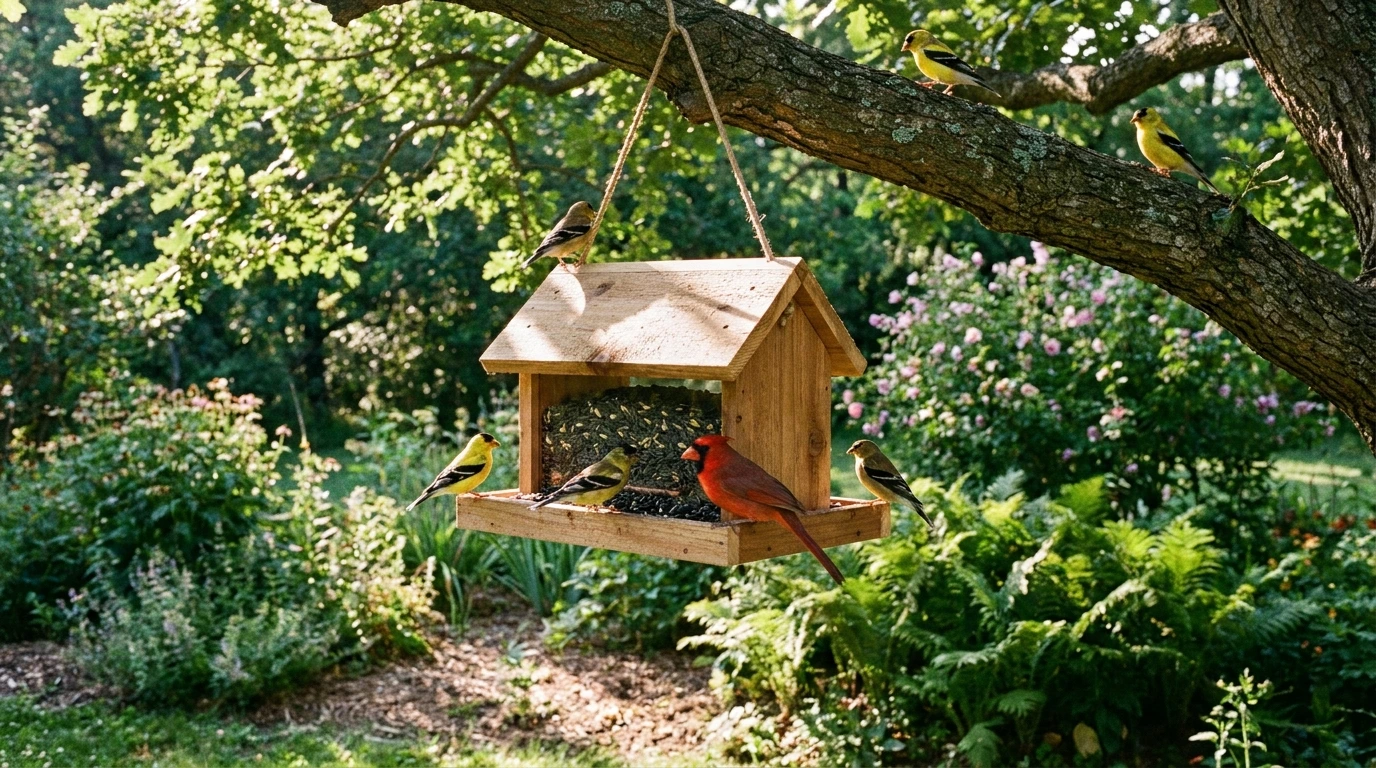
If you have basic woodworking skills, consider constructing a wooden platform feeder. Cut a square piece of untreated wood for the base, then create a roof using another piece of wood to protect the seeds from rain. Assemble the pieces using screws or nails, ensuring everything is securely fastened. Place the feeder in a location that is easy to see and refill, attracting a variety of birds.
Enhancing Your Bird Feeder Toy
Once you have constructed the basic feeder, there are many ways to enhance it to attract even more birds and create a more engaging environment.
Adding Perches
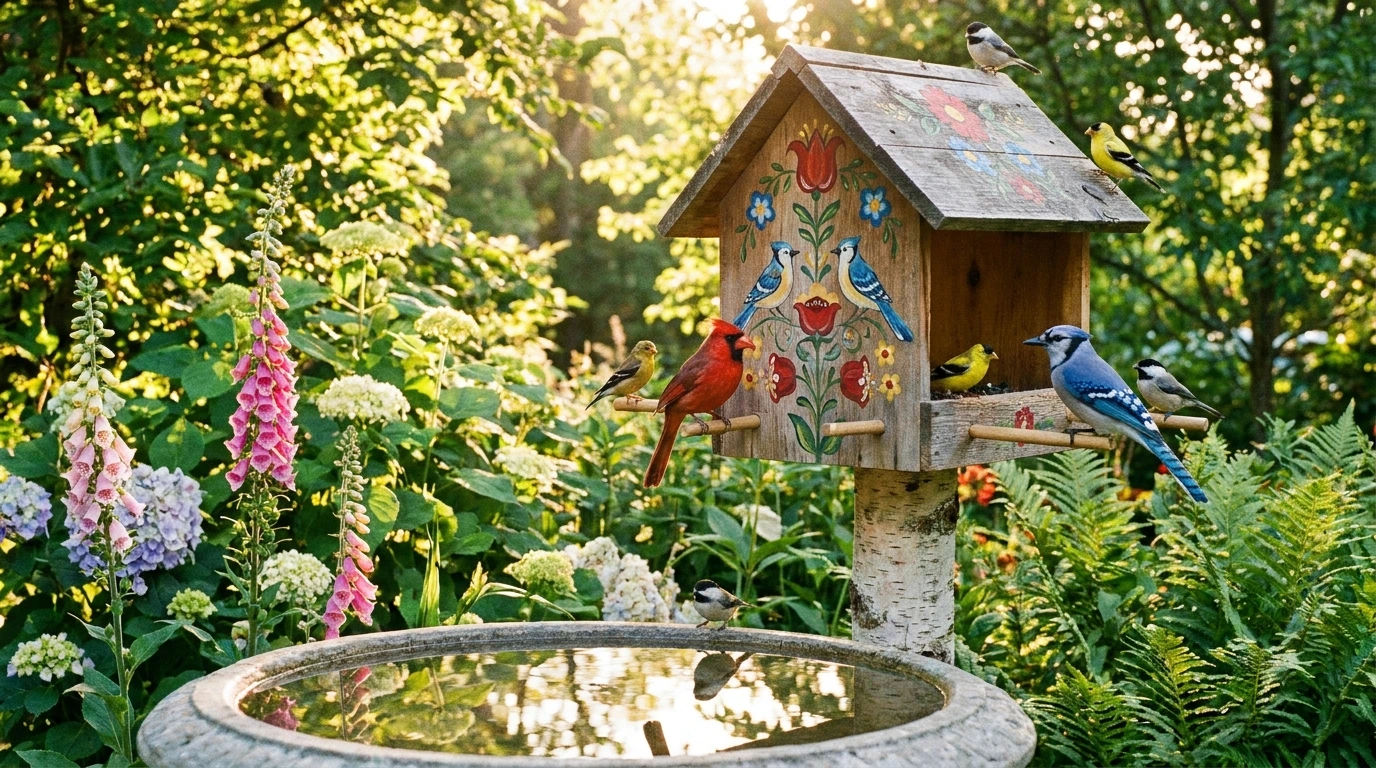
Consider adding perches to your bird feeder to provide resting spots for birds while they feed. Simple dowels or small branches can be attached near the feeding area. This addition not only makes feeding more comfortable for birds but also offers a better view for birdwatchers.
Decorative Elements
Incorporating decorative elements can make your bird feeder more visually appealing. You can paint or stain the feeder using non-toxic materials. Adding unique designs or patterns can make your feeder a focal point in your garden while still serving its functional purpose.
Water Source
In addition to food, birds need water for drinking and bathing. Consider placing a shallow dish of water near your feeder. This will encourage birds to visit more frequently and can attract a wider variety of species. Ensure the water is changed regularly to keep it fresh and clean.
Maintenance and Safety Tips
To ensure your DIY bird feeder toy remains safe and effective, regular maintenance is key. Here are some helpful tips.
Regular Cleaning
Bird feeders can become dirty over time, which may lead to the spread of diseases among birds. Clean your feeder every two weeks using a solution of one part vinegar to nine parts water. Rinse thoroughly and allow it to dry before refilling with fresh seeds.
Monitor for Pests
Be vigilant about pests that may invade your bird feeder, such as ants or rodents. Consider using baffles or other barriers to prevent these unwanted visitors from accessing the seeds. If you notice any signs of infestation, clean the feeder and replace the seeds immediately.
FAQs
What types of birds can I attract with a DIY bird feeder?
The types of birds you can attract depend on the seed you use and your geographical location. Common birds attracted to feeders include finches, chickadees, sparrows, and cardinals.
How often should I refill the bird feeder?
Refilling frequency depends on the number of birds visiting and the size of your feeder. Generally, check your feeder weekly and refill as necessary to ensure a constant food supply.
Can I use food scraps in my bird feeder?
It is not recommended to use food scraps, such as bread or leftover human food, as they can be harmful to birds. Stick to birdseed specifically formulated for their dietary needs.
Conclusion
Creating a DIY bird feeder toy is a fulfilling project that enhances your outdoor space while providing essential nourishment to local birds. By selecting appropriate materials, choosing engaging designs, and maintaining your feeder properly, you can foster a vibrant bird-friendly environment. Not only do you contribute to the well-being of these creatures, but you also gain the joy of observing them up close. Start your DIY bird feeder project today and watch as your garden transforms into a sanctuary for feathered friends.