
Creating a DIY ferret tunnel system can provide your pet with endless hours of fun and exercise. Ferrets are naturally curious and playful animals that thrive in environments where they can explore and engage in physical activity. A well-designed tunnel system not only stimulates their minds but also satisfies their instinctual behaviors. This guide will walk you through the steps to create a safe, engaging, and functional tunnel system for your ferret.
Understanding Ferret Behavior
Before diving into the construction of your DIY tunnel system, it’s essential to understand ferret behavior. Ferrets are active creatures that love to burrow, dig, and explore confined spaces. They are also social animals that enjoy interacting with their environment and with other ferrets.
Natural Instincts
In the wild, ferrets would spend their days hunting, digging, and navigating through tunnels created by their prey. By mimicking these natural instincts in a safe and controlled environment, you can enhance your ferret’s quality of life and provide them with a fulfilling habitat.
Physical Activity
Ferrets require regular physical activity to stay healthy. A tunnel system allows them to exercise by running, climbing, and exploring. It can help prevent obesity and related health issues, ensuring your ferret remains active and playful.

Planning Your Tunnel System
Before starting construction, it’s crucial to plan your tunnel system carefully. Consider the space available, the materials you will use, and the overall design. A well-thought-out plan will facilitate a smoother building process and a more enjoyable experience for your ferret.
Space Considerations
Evaluate the area where you plan to set up the tunnel system. Ensure that you have enough room for the tunnels to be both extensive and safe. A larger space allows for more complex designs, while a smaller area may require simpler configurations.
Material Selection
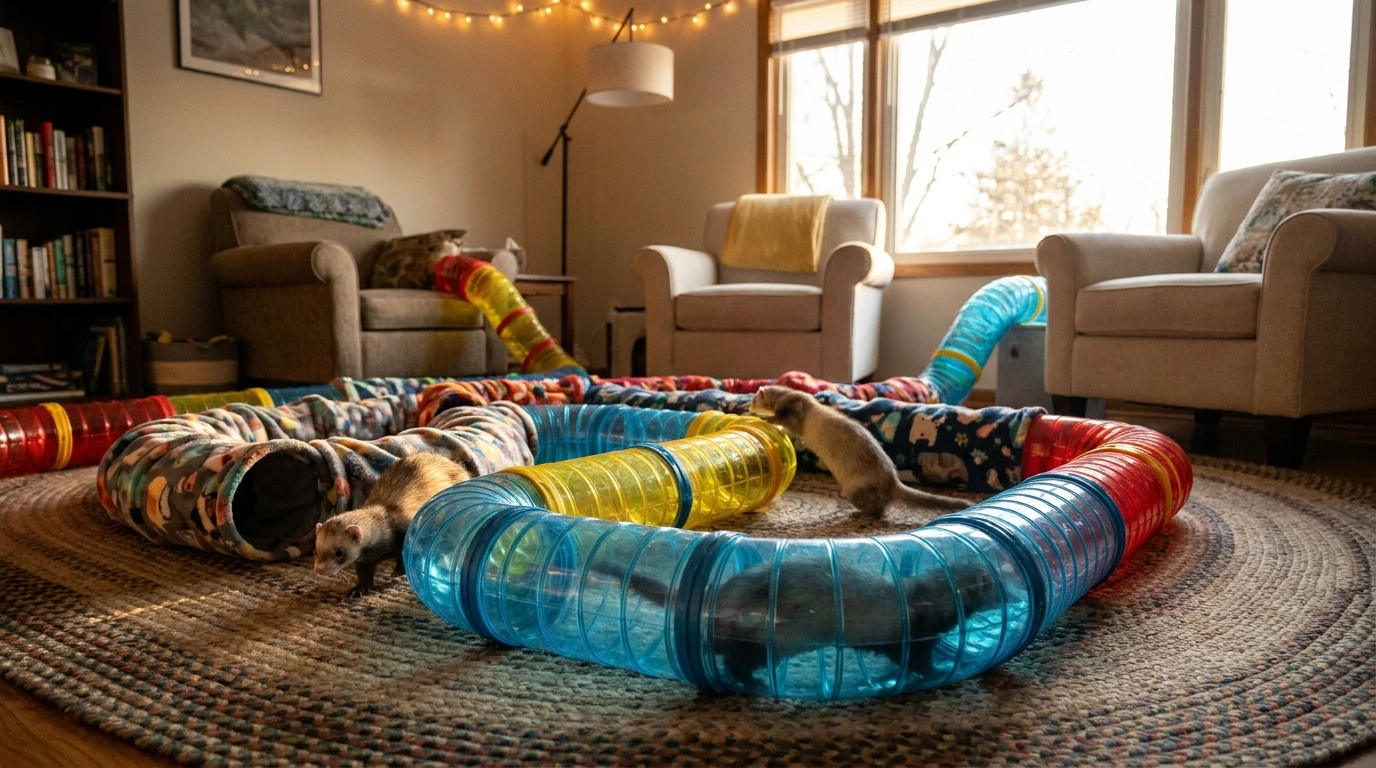
Choosing the right materials is vital for safety and durability. Opt for non-toxic, sturdy materials that can withstand wear and tear. Common materials include PVC pipes, cardboard tubes, and fabric. Ensure there are no sharp edges or small parts that could pose a choking hazard.
Building the Tunnel System
Once you have your plan and materials, it’s time to start building the tunnel system. The process can be broken down into several manageable steps.
Creating the Base Structure
Begin by deciding on the layout of your tunnels. You can create a simple straight tunnel or a more complex maze. If using PVC pipes, cut them into various lengths to create different sections. For cardboard tubes, you can connect them using tape or glue.
Incorporating Access Points
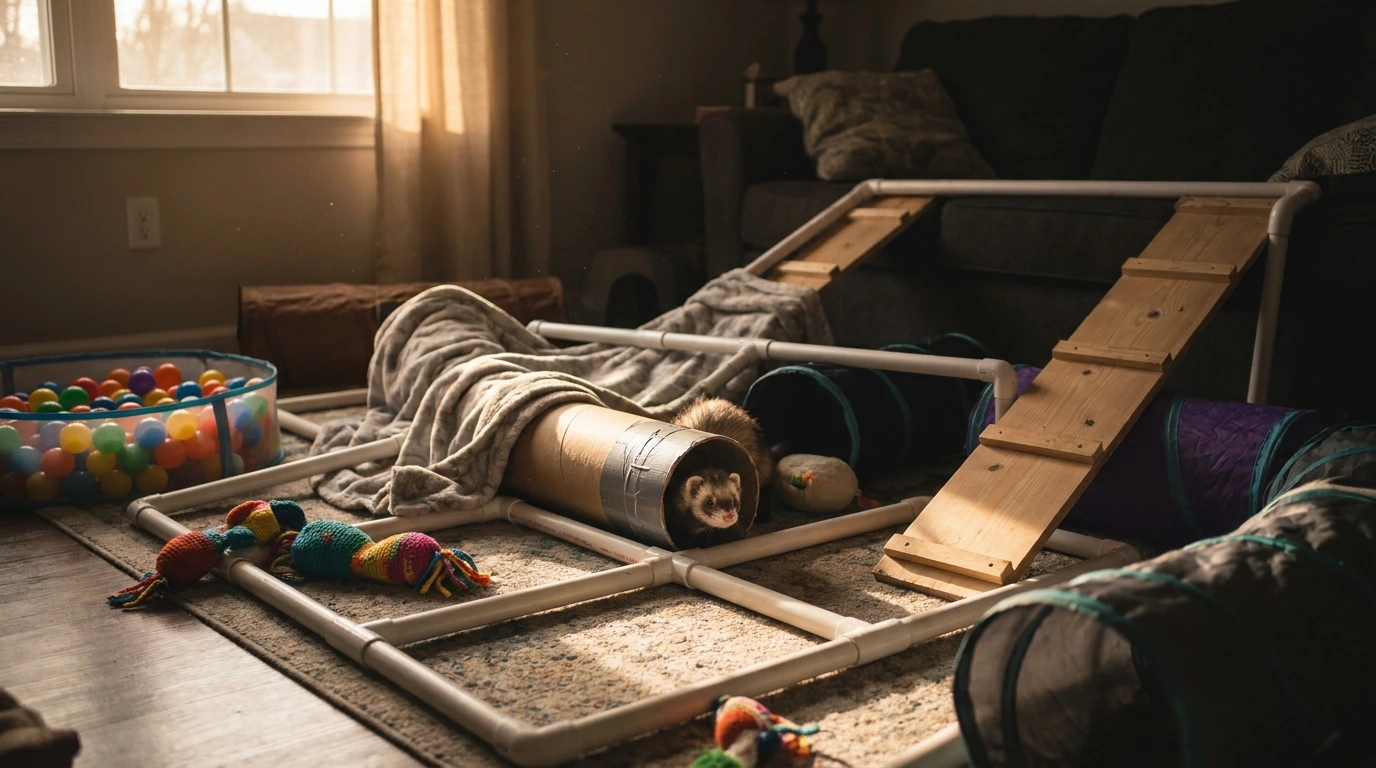
Ensure that your tunnel system has multiple access points. This allows your ferret to enter and exit freely, providing them with the ability to explore at their own pace. Consider adding ramps or platforms for extra fun and engagement.
Adding Features
Enhance your tunnel system by adding fun features such as small hideouts, climbing platforms, or even a ball pit. These additions can make the environment more stimulating and enjoyable for your ferret. Use natural materials like wood or soft fabrics for added comfort.
Maintaining the Tunnel System
After building your DIY tunnel system, ongoing maintenance is essential to ensure your ferret’s safety and enjoyment. Regular cleaning and inspection will help keep the environment hygienic and functional.
Cleaning Procedures
Regularly clean the tunnels and surrounding areas to prevent odors and bacteria buildup. Use pet-safe cleaning products and avoid harsh chemicals. A simple solution of warm water and mild soap can effectively clean most surfaces.
Inspection and Repairs
Frequently check the tunnel system for any signs of wear or damage. Look for cracks, loose parts, or areas that may pose a safety risk. Prompt repairs will extend the life of the tunnel system and keep your ferret safe.
FAQs
What materials are safe for building a ferret tunnel system?
Safe materials include PVC pipes, cardboard tubes, untreated wood, and fabric. Avoid materials that may splinter or contain toxic substances.
How large should the tunnel system be?
The size of the tunnel system depends on your available space. Ideally, it should be large enough for your ferret to move freely and explore without feeling confined.
Can I use existing furniture for my tunnel system?
Yes, you can incorporate existing furniture into your tunnel system. Just ensure that any additions are safe and do not have sharp edges or small parts that could harm your ferret.
How often should I clean the tunnel system?
It is recommended to clean the tunnel system at least once a week. This helps maintain a hygienic environment and prevents odors.
Can I add toys to the tunnel system?
Absolutely! Adding safe toys can enhance your ferret’s play experience. Just ensure that the toys are appropriately sized and free from small parts that could be swallowed.
Conclusion
Building a DIY ferret tunnel system is an excellent way to enrich your pet’s life, providing them with a safe space to explore and exercise. By understanding your ferret’s behavior, planning effectively, and maintaining the system, you can create a fun and engaging environment that caters to their natural instincts. With a bit of creativity and care, your ferret will have a delightful playground that promotes their health and happiness.