
Creating a DIY dog chew rope is a fun and rewarding project that not only keeps your furry friend entertained but also saves money. By making your own chew toys, you can customize the materials and designs to suit your dog’s preferences and chewing habits. In this article, we will explore the benefits of dog chew ropes, the materials you can use, step-by-step instructions for making one, and some safety tips to keep in mind. Let’s dive into the world of DIY dog chew ropes and discover how to enhance your pet’s playtime.
Benefits of DIY Dog Chew Ropes
There are numerous advantages to making your own dog chew ropes. Understanding these benefits can motivate you to start this simple yet rewarding project.
Cost-Effective
Buying toys for your dog can quickly add up, especially if your pet is an aggressive chewer. By making your own chew ropes, you can significantly reduce costs. Most materials are inexpensive and often found around your home.
Customization
Every dog has unique preferences regarding texture and chewability. By crafting your chew rope, you can select the materials that best suit your dog’s needs, ensuring a safe and enjoyable experience.
Bonding Experience
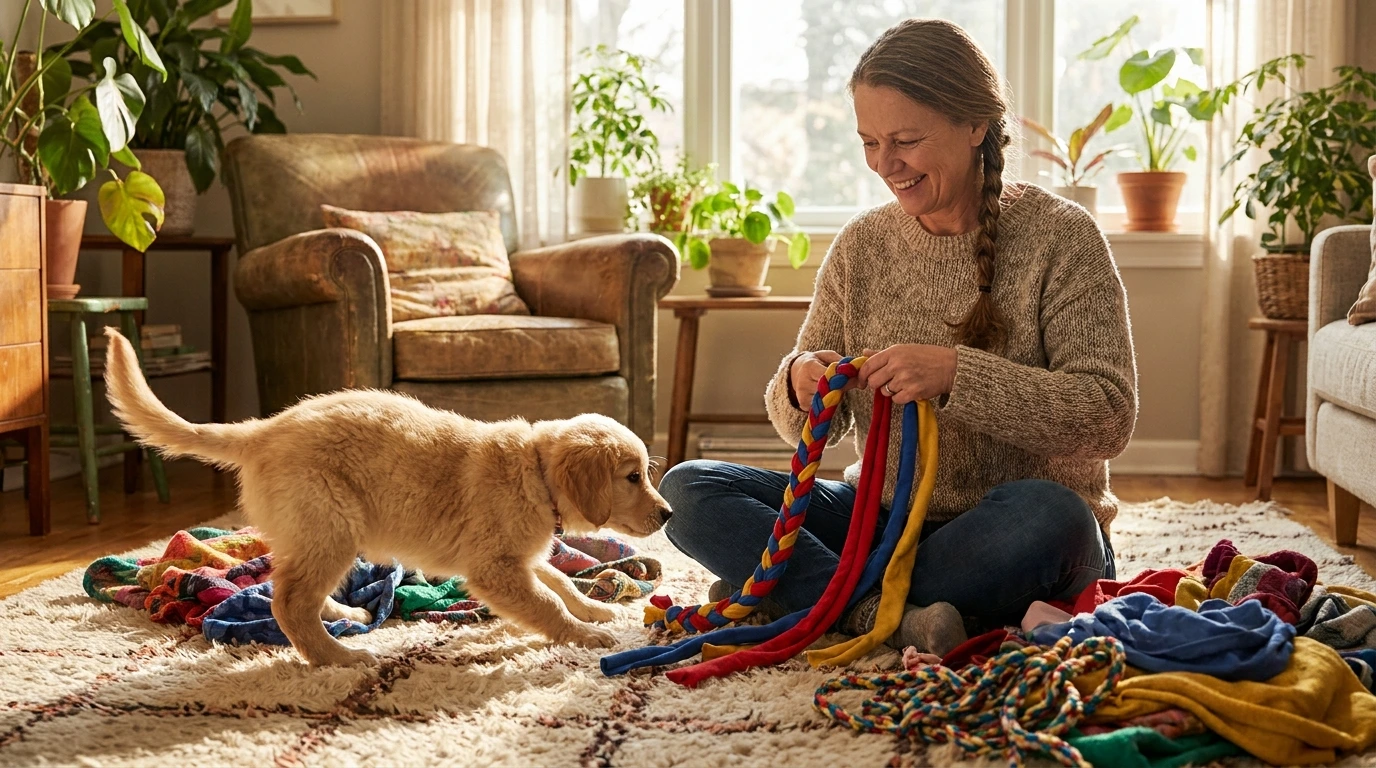
Creating a DIY dog chew rope can be a fun activity that strengthens the bond between you and your pet. Involving your dog in the process can make the experience even more rewarding for both of you.

Materials for DIY Dog Chew Rope
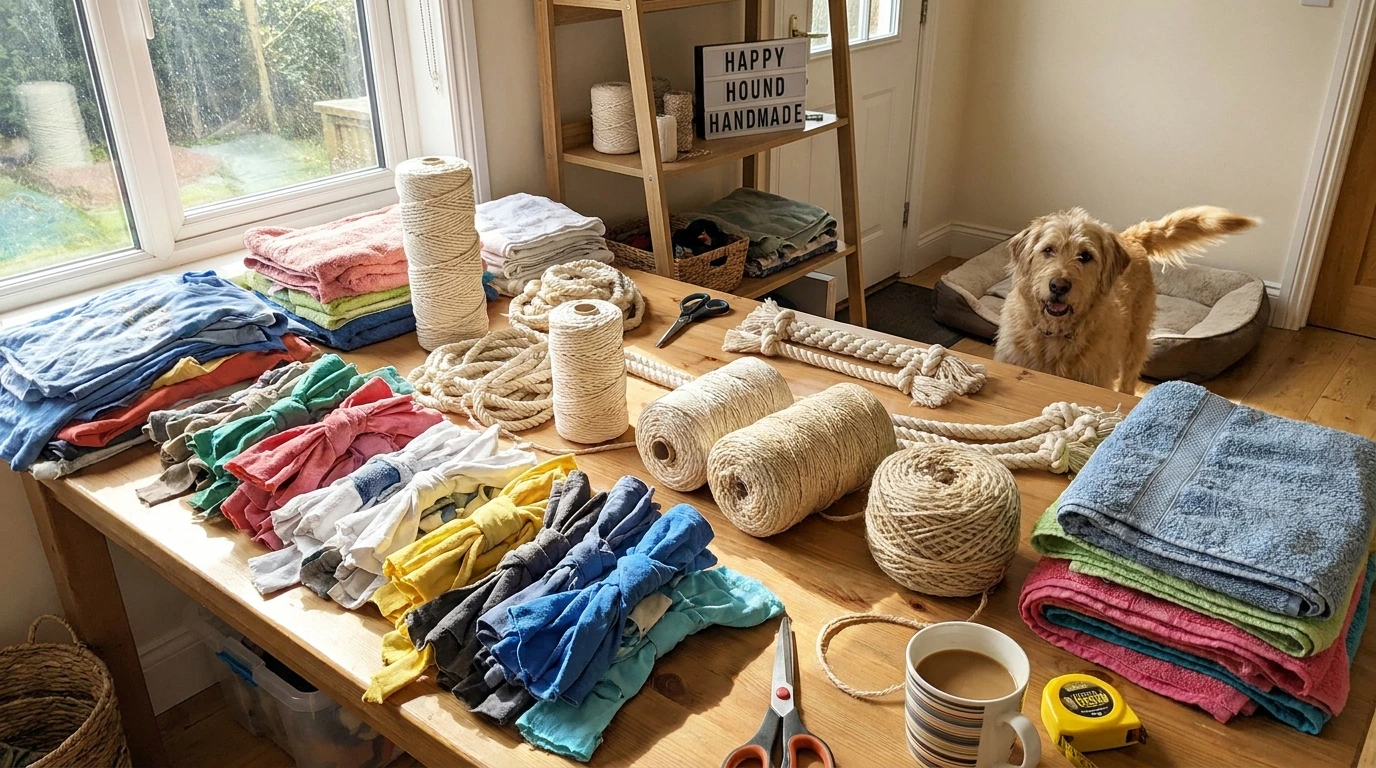
Choosing the right materials is essential for making a safe and enjoyable chew rope for your dog. Here are some options you can consider.
Old T-Shirts or Towels
Repurposing old cotton t-shirts or towels is an excellent way to create a soft yet durable chew rope. These materials are gentle on your dog’s teeth while still providing enough strength for chewing.
Rope Material
If you prefer a more traditional chew rope, look for untreated natural fiber ropes such as cotton or sisal. Ensure the rope is free from harmful chemicals, as dogs may ingest small strands while chewing.
Yarn
Thick, sturdy yarn can also be used to create a chew rope. Choose natural fibers to ensure safety, and avoid synthetic yarns that may not be suitable for chewing.
How to Make a DIY Dog Chew Rope
Now that you have selected your materials, let’s go through the step-by-step process of making a DIY dog chew rope.
Step 1: Gather Your Materials
Collect the materials you will use. For a basic chew rope, you will need three strips of fabric or rope, each about 1-2 inches wide and 12-18 inches long, depending on the size of your dog.
Step 2: Prepare the Strips
If you are using fabric, cut the t-shirts or towels into strips. Make sure the edges are even to facilitate braiding. If you are using rope, cut your desired length and ensure the ends are frayed to help with the braiding process.
Step 3: Braid the Strips
Take the three strips and tie a knot at one end to hold them together. Begin braiding the strips tightly, alternating each strip over the others. Continue until you reach the end, leaving some material to tie another knot.
Step 4: Secure the Ends
Once you’ve completed the braid, tie a knot at the end to secure it. You can also double-knot for added durability. Trim any excess material if necessary.
Step 5: Test the Chew Rope
Before giving the chew rope to your dog, gently tug on it to ensure it is secure. Check for any loose ends or frayed areas that may pose a choking hazard. Safety is paramount.
Safety Tips for Using DIY Dog Chew Ropes
While making and using a DIY dog chew rope can be safe, it is essential to follow some guidelines to protect your pet.
Supervise Playtime
Always supervise your dog while they are playing with a chew rope. This will help you catch any potential issues, such as chewing off small pieces that could be ingested.
Inspect Regularly
Regularly check the chew rope for signs of wear and tear. If it begins to fray or show signs of damage, it is time to replace it to prevent any choking hazards.
Choose Appropriate Materials
Ensure that the materials you use are safe and non-toxic. Avoid anything that may splinter, break, or contain harmful chemicals. Natural fibers are generally the safest option.
FAQs
Can I use synthetic materials for a DIY dog chew rope?
While synthetic materials can be used, they may pose health risks if ingested. It is best to stick with natural fibers that are safe for chewing.
How often should I replace my dog’s chew rope?
It is advisable to replace the chew rope once it shows signs of wear, such as fraying or breaking. Regular inspections will help you determine when it is time for a new one.
Can I wash my DIY dog chew rope?
Yes, you can wash your DIY chew rope. Hand wash it in warm, soapy water and allow it to air dry completely before giving it back to your dog.
Are DIY dog chew ropes suitable for puppies?
DIY chew ropes can be suitable for puppies, as long as the materials are safe and non-toxic. Ensure that the rope is not too tough for their developing teeth.
Conclusion
Making a DIY dog chew rope is a practical and enjoyable way to provide your pet with a safe and engaging toy. By using readily available materials, you can create a customized chew toy that fits your dog’s chewing habits. Remember to prioritize safety by supervising your dog during playtime and regularly inspecting the toy for wear and tear. With a little creativity and effort, you can enhance your dog’s playtime and strengthen your bond through this simple project.