
Creating DIY pet toys can be a fun and rewarding activity, not only for you but also for your furry friends. Whether you are looking to save money or want to stimulate your pet’s mind, refilling old toys with new materials can breathe fresh life into them. In this article, we will explore innovative and practical ideas for refilling your pet’s toys, ensuring they remain engaging and entertaining while being budget-friendly.
Understanding the Benefits of DIY Pet Toy Refills
Before diving into specific refill ideas, it’s essential to understand why DIY pet toy refills can be beneficial. First, they provide ongoing mental stimulation for pets, which is crucial for their overall well-being. Second, refilling toys can save money compared to purchasing new ones. Lastly, it allows you to customize toys based on your pet’s preferences, ensuring they remain engaged and entertained.
Cost-Effectiveness
Purchasing new toys can add up quickly, especially if you have multiple pets. By refilling existing toys, you can significantly reduce expenses. Simple materials like fabric scraps, old clothes, or even kitchen items can be transformed into exciting new toys. This approach not only saves money but also helps in reducing waste, making it an eco-friendly option.
Customization for Your Pet’s Preferences
Every pet has unique preferences when it comes to play. Some may enjoy chewing, while others might prefer chasing or hiding toys. DIY refills allow you to customize the filling based on your pet’s specific desires. For instance, a dog that loves to chew can benefit from a refill of durable materials, while a cat that enjoys hiding can have toys filled with crinkly paper or feathers.
Creative DIY Toy Refill Ideas
Now that we understand the benefits, let’s explore some creative DIY toy refill ideas. These concepts can be easily implemented and will keep your pets engaged for hours.
1. Refillable Plush Toys
Old plush toys can be revitalized by adding new stuffing. You can use fabric scraps, old t-shirts, or even soft blankets. Simply open a seam, refill the toy, and sew it back together. For added fun, consider incorporating squeakers or bells into the stuffing to keep your pet intrigued.
2. Treat-Dispensing Toys
Transform your pet’s old toys into treat dispensers by refilling them with small, healthy treats. For example, hollow rubber toys can be filled with peanut butter or yogurt. Freeze the filled toys for an extra challenge, giving your pet a longer-lasting reward. Ensure the treats used are safe and appropriate for your pet’s dietary needs.
3. Crinkle Toys for Cats
Cats are naturally attracted to sounds, and crinkle toys can be very appealing to them. You can refill old toys or make new ones by using crinkly paper or foil. Simply place the crinkly material inside a fabric pouch and stitch it closed. This simple DIY project can keep your cat entertained as they bat around their new toy.
4. Tug Toys from Old Clothes
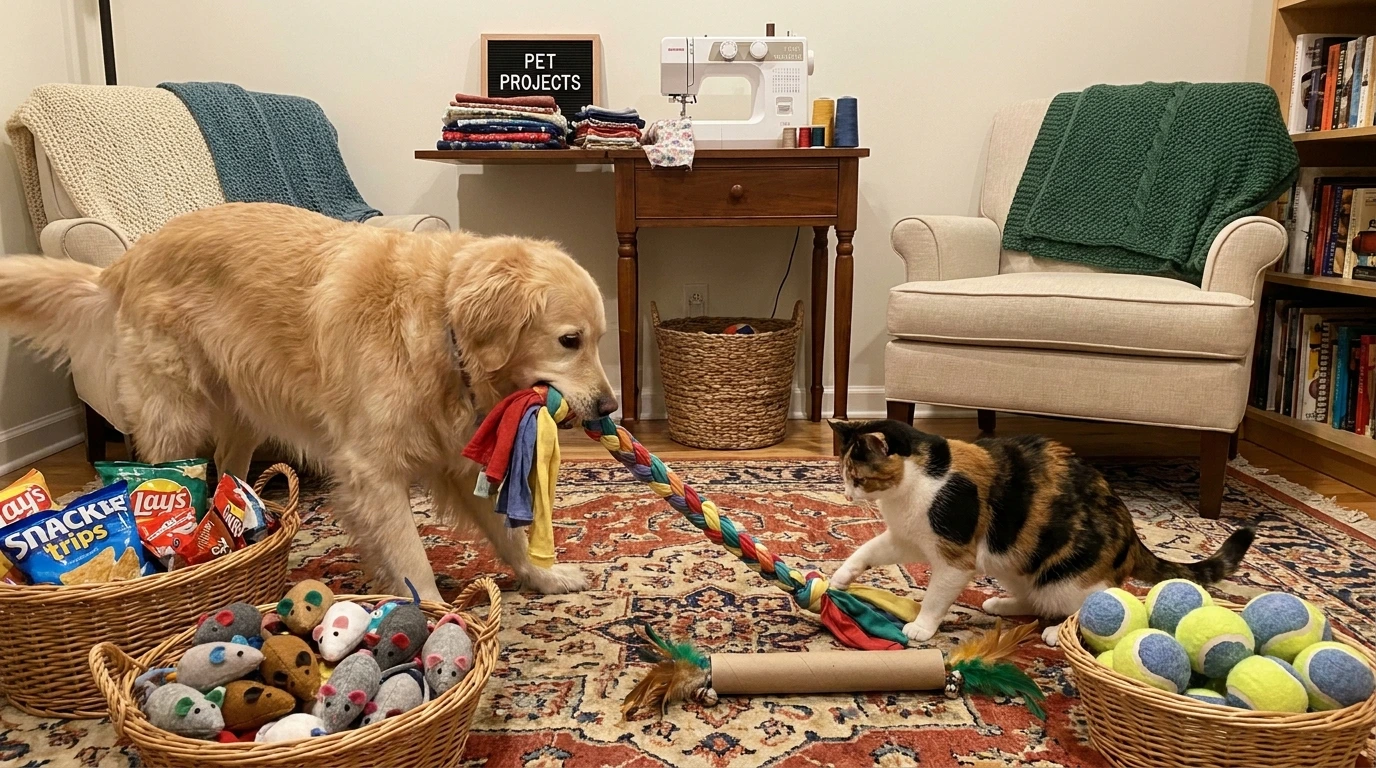
Old t-shirts or towels can be transformed into tug toys for dogs. Cut the fabric into strips, braid them together, and tie off the ends. Not only does this make for a fun tug toy, but it also gives your dog a durable item to chew on. This is a great way to repurpose items that might otherwise be thrown away.
5. Interactive Puzzle Toys
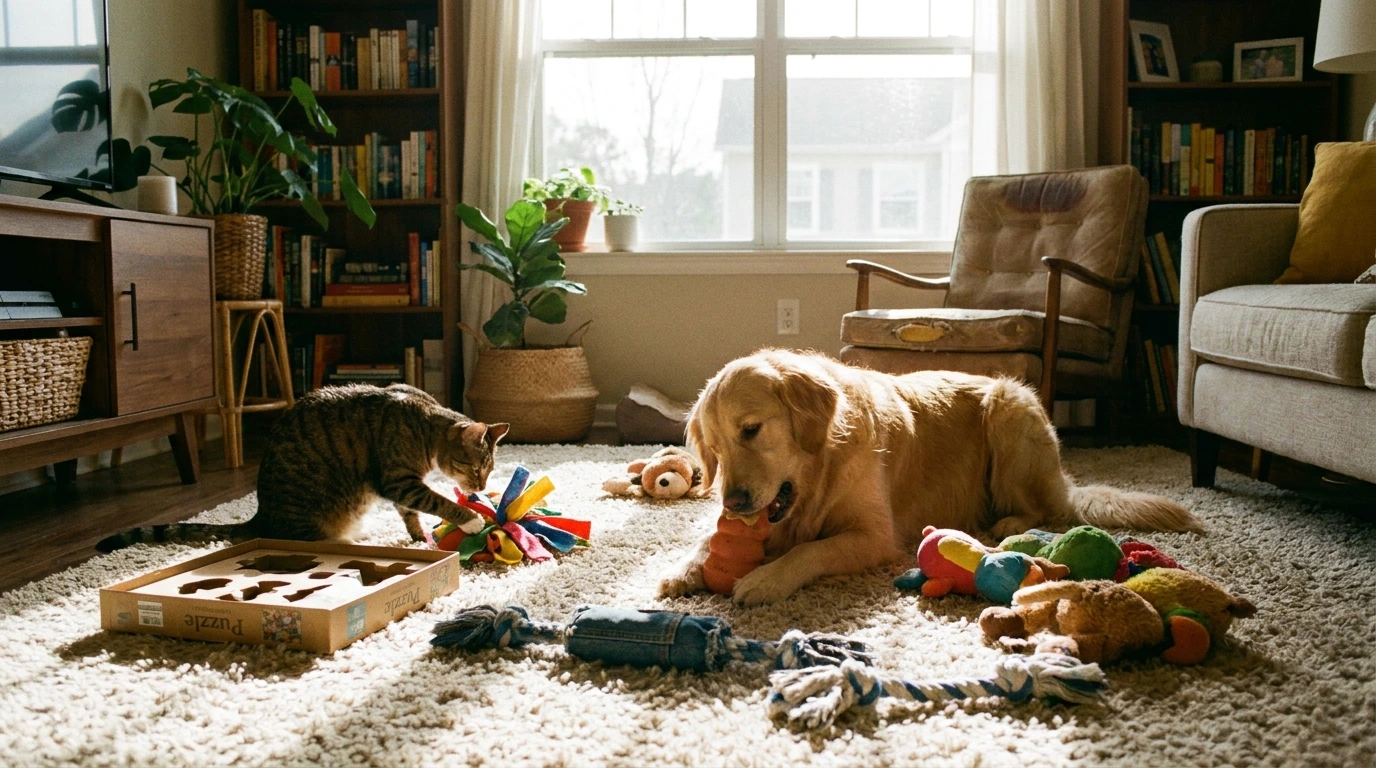
To stimulate your pet’s mind, consider creating interactive puzzle toys. Use a cardboard box or a plastic container with holes and fill it with their favorite treats or toys. Your pet will have to figure out how to get the rewards, providing both mental and physical exercise. This type of toy is especially beneficial for intelligent breeds that thrive on challenges.
6. Scented Toys
Pets are often attracted to different scents. You can refill toys with natural materials like herbs or dried flowers. For example, stuffing a toy with catnip can provide hours of entertainment for your cat. For dogs, consider using dried herbs that are safe for them. This not only refreshes the toy but also encourages your pet to engage more actively.
FAQs
How often should I refill my pet’s toys?
The frequency of refilling toys depends on your pet’s play habits. Generally, toys should be refilled whenever they start to lose their appeal or when the original stuffing becomes worn out. Regular checks can help you determine when a toy needs a refresh.
Are there any materials I should avoid using for refills?
Yes, avoid using materials that can be harmful to pets, such as small plastic parts, toxic substances, or anything that could cause choking. Always ensure that the materials used are safe, durable, and appropriate for your specific pet.
Can I use store-bought materials for DIY refills?
Absolutely! You can use store-bought stuffing, like polyester fiberfill, or other safe materials specifically designed for pet toys. Just ensure they are non-toxic and suitable for your pet’s needs.
What if my pet is allergic to certain materials?
If your pet has known allergies, always opt for hypoallergenic materials. Fabrics like cotton or fleece are usually safe, but you should avoid any materials that have previously caused allergic reactions.
Conclusion
DIY pet toy refills provide a creative and cost-effective way to keep your pets engaged and entertained. By using materials you already have at home, you can customize toys to suit your pet’s preferences while also being environmentally conscious. With the ideas presented in this article, you’ll be well on your way to creating exciting new toys that will keep your furry friends happy and active. Embrace your creativity and enjoy the bonding time as you make these toys together!