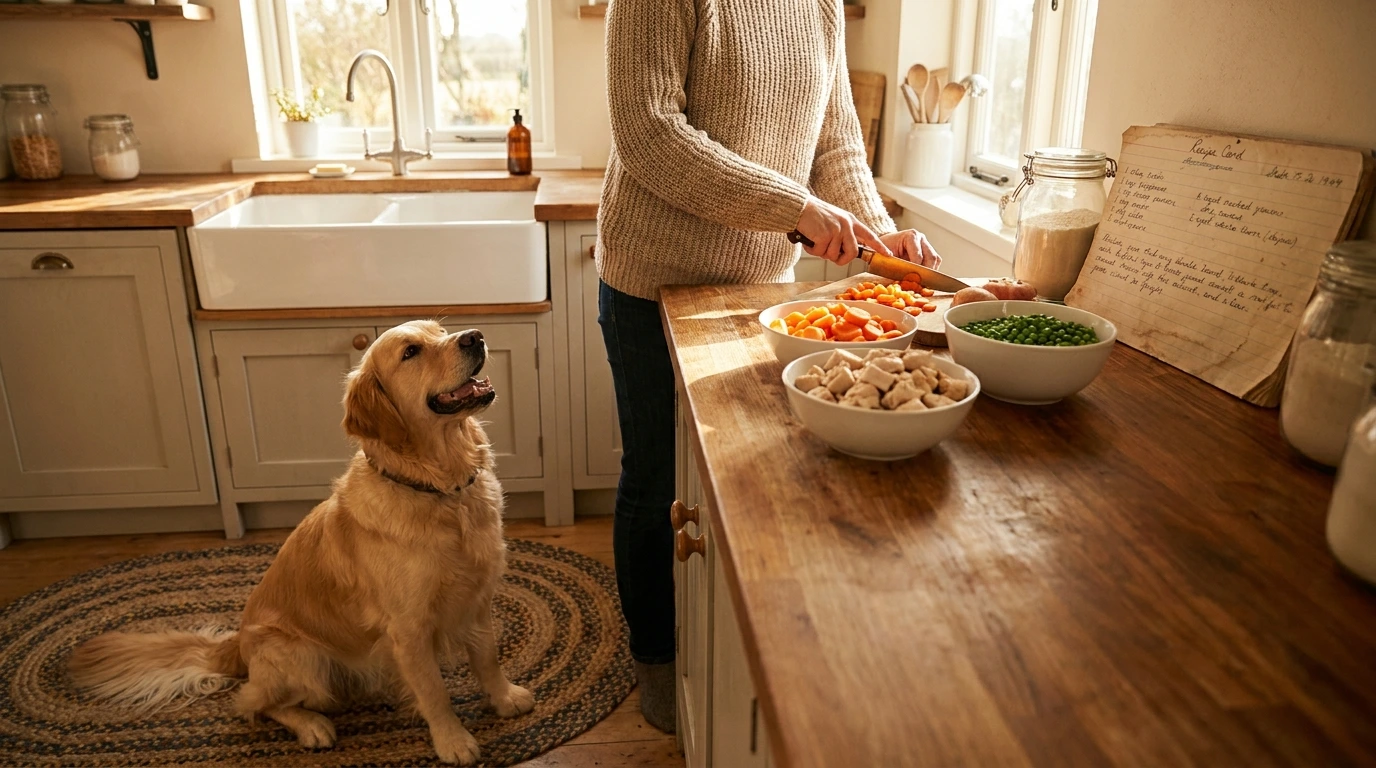
Creating homemade dog food for dogs with allergies can seem daunting, but it can also be a rewarding experience for both you and your pet. Many commercial dog foods contain ingredients that may trigger allergies in sensitive dogs, leading to discomfort and health issues. By preparing meals at home, you can control the ingredients, ensuring they are safe and nutritious. This article will guide you through the process, offering valuable insights into suitable ingredients, recipes, and tips for managing your dog’s dietary needs effectively.
Understanding Dog Allergies
Dog allergies can manifest in various ways, including skin irritations, digestive problems, and respiratory issues. Common allergens include certain proteins, grains, and artificial additives. Identifying and eliminating these allergens from your dog’s diet is crucial for their health and well-being.
Common Allergens in Dog Foods
Some of the most common allergens for dogs include beef, chicken, dairy, wheat, and soy. Each dog may react differently, so it is essential to monitor your pet’s reaction to specific foods. If you suspect your dog has a food allergy, consult a veterinarian for proper testing and diagnosis.
Symptoms of Food Allergies
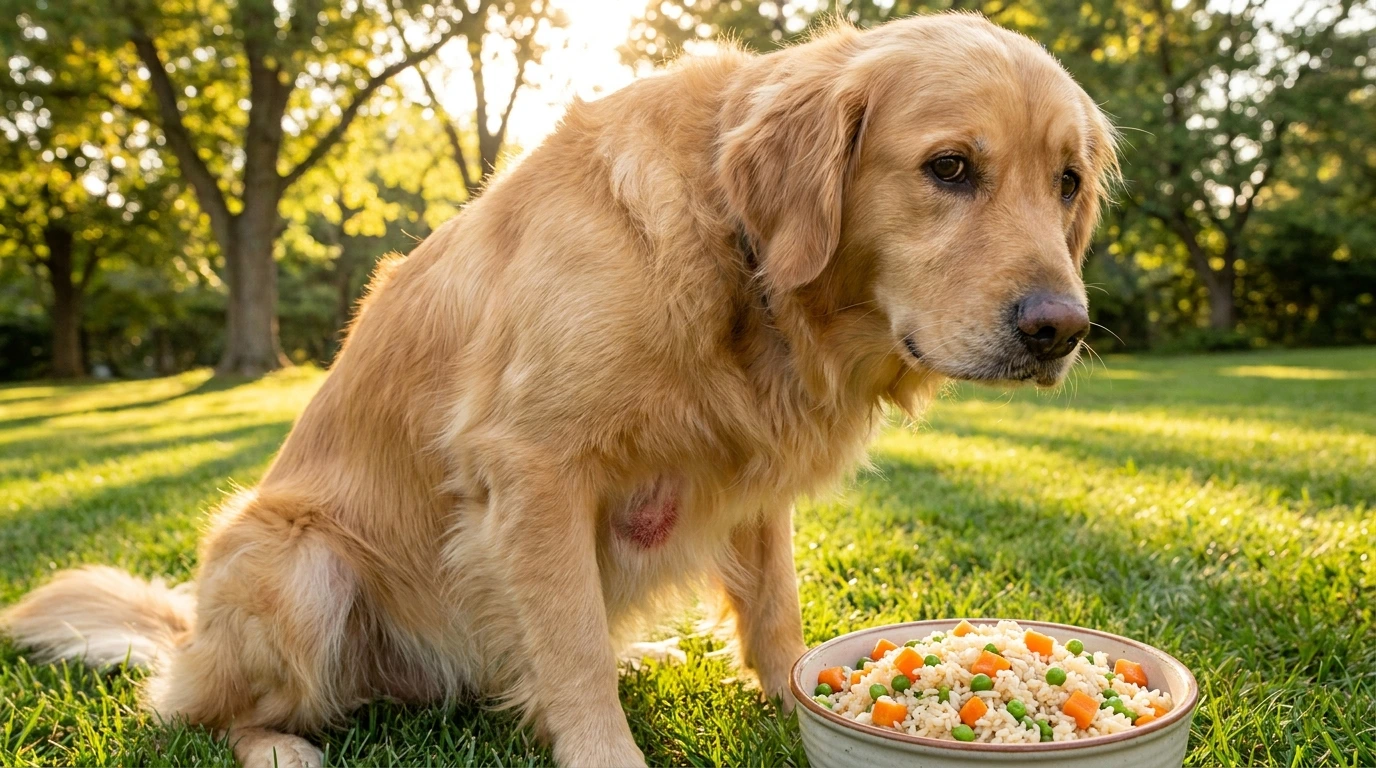
Symptoms of food allergies can vary widely among dogs. Common signs to watch for include chronic itching, hot spots, ear infections, gastrointestinal upset, and excessive licking. If your dog exhibits any of these symptoms, it may be time to evaluate their diet and consider homemade options.
Benefits of Homemade Dog Food
Preparing homemade dog food provides numerous benefits, especially for dogs with allergies. You have complete control over the ingredients, which allows you to avoid potential allergens. Moreover, homemade meals can be more nutritious and fresher than many commercial dog foods.
Control Over Ingredients
One of the most significant advantages of homemade dog food is the ability to choose high-quality ingredients tailored to your dog’s specific needs. You can select proteins, vegetables, and grains that are safe and nutritious for your pet, ensuring they receive a balanced diet.
Improved Digestive Health
Many dogs with allergies also suffer from digestive issues. Homemade dog food can be easier to digest than commercial options, helping to alleviate gastrointestinal problems. Additionally, you can introduce ingredients that promote gut health, such as pumpkin and sweet potatoes.
Homemade Dog Food Recipes for Allergies
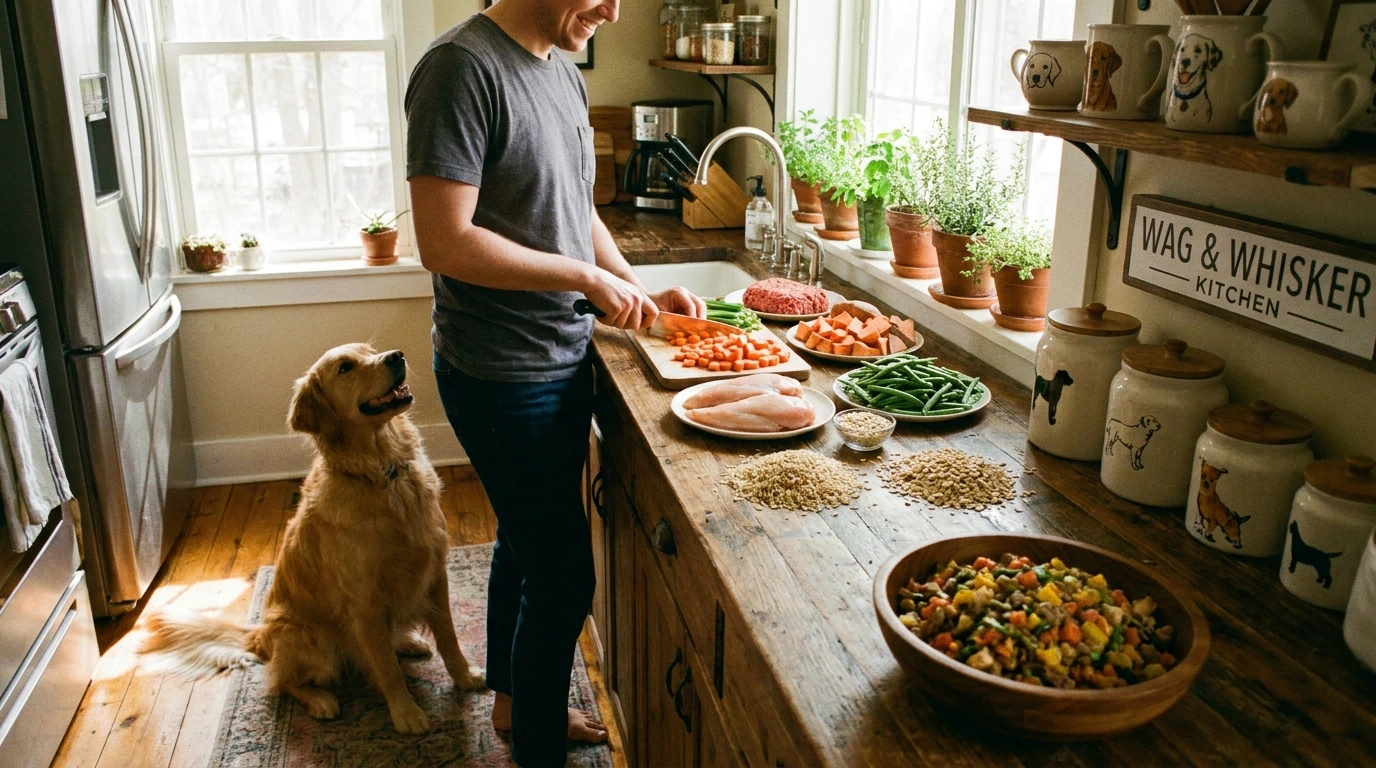
When creating homemade dog food, it’s essential to include a balance of protein, carbohydrates, and fats. Below are some simple recipes you can try, tailored for dogs with allergies.
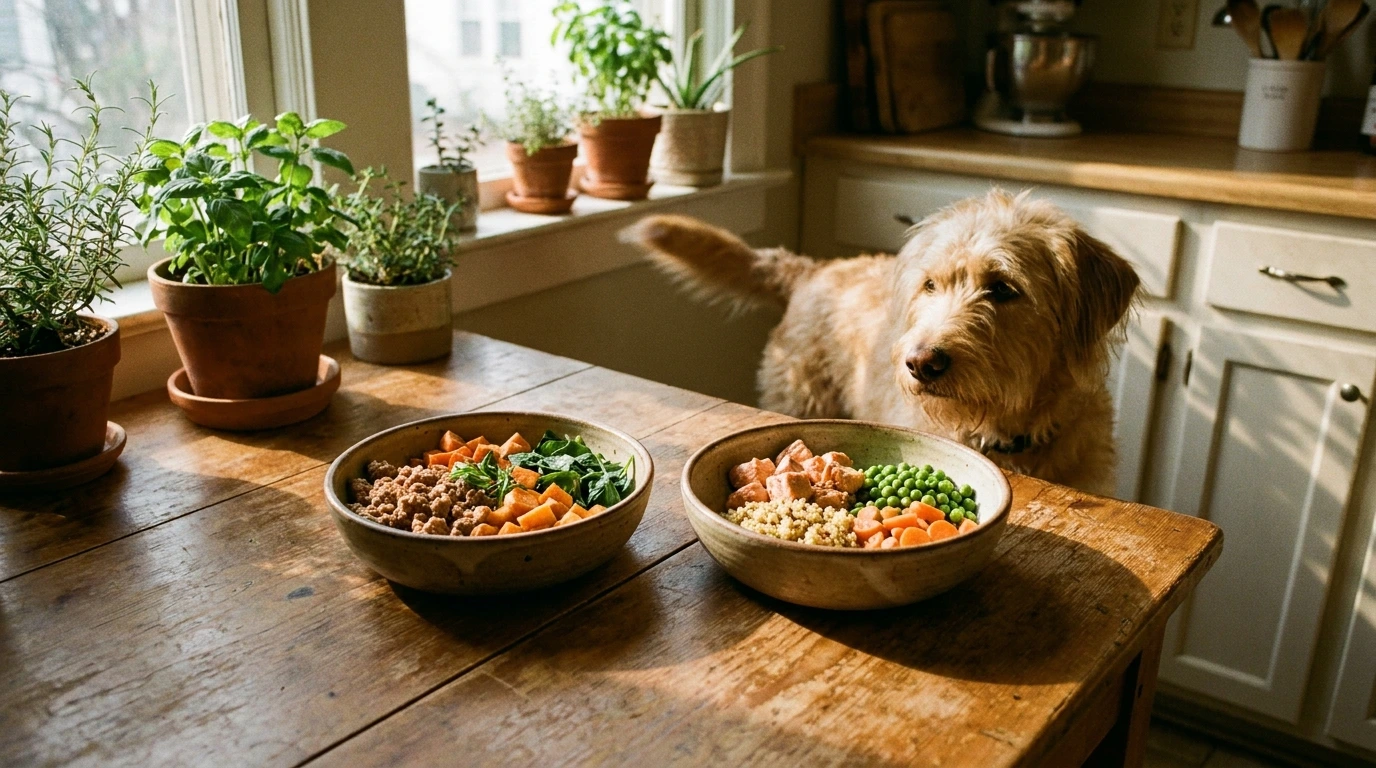
Recipe 1: Turkey and Sweet Potato
This recipe is great for dogs allergic to common proteins like chicken and beef. It provides lean protein and fiber-rich carbohydrates. Ingredients:
1 pound ground turkey 1 cup sweet potatoes, peeled and diced 1 cup carrots, diced 1 cup spinach, chopped 1 tablespoon olive oil
Instructions: In a large skillet, cook the ground turkey over medium heat until browned. Add the sweet potatoes, carrots, and spinach. Stir in the olive oil, cover, and let simmer for about 20 minutes until the vegetables are tender. Allow to cool before serving.
Recipe 2: Salmon and Quinoa
This recipe provides omega-3 fatty acids, which are beneficial for skin health and can help alleviate allergy symptoms. Ingredients:
1 can of wild-caught salmon, drained 1 cup quinoa, cooked 1/2 cup peas, cooked 1/2 cup carrots, cooked and diced 1 tablespoon flaxseed oil
Instructions: In a mixing bowl, combine the salmon, quinoa, peas, and carrots. Drizzle with flaxseed oil and mix until well combined. Serve once cooled.
Tips for Transitioning to Homemade Dog Food
Transitioning your dog to homemade food should be done gradually to avoid digestive upset. Start by mixing a small amount of the homemade food with their regular diet, gradually increasing the homemade portion over a week or two.
Monitoring Your Dog’s Health
Keep an eye on your dog’s health during the transition. Look for signs of improvement, such as reduced itching or gastrointestinal issues. If you notice any adverse reactions, consult your veterinarian for further guidance.
Consulting with a Veterinarian
Before making significant changes to your dog’s diet, it is essential to consult with a veterinarian or a pet nutritionist. They can help you determine the right balance of nutrients and ensure that your homemade food meets your dog’s dietary needs.

FAQs
Can I feed my dog homemade food exclusively?
Yes, many dogs can thrive on a homemade diet if it is well-balanced and nutritionally complete. However, it is essential to consult your veterinarian to ensure your dog receives all necessary nutrients.
How do I know if my dog has a food allergy?
Symptoms of food allergies can include itching, digestive upset, and ear infections. If you suspect a food allergy, consult your veterinarian for testing and guidance.
How can I ensure my homemade dog food is balanced?
To ensure your homemade dog food is balanced, include a variety of protein sources, carbohydrates, and vegetables. Consulting with a veterinarian or pet nutritionist can provide additional insights into meeting your dog’s nutritional needs.
Conclusion
Homemade dog food can be a viable and healthy option for dogs with allergies. By understanding your dog’s specific needs and carefully selecting ingredients, you can create nourishing meals that help alleviate allergy symptoms and promote overall health. Always consult your veterinarian for personalized advice to ensure a safe and balanced diet for your furry friend. With the right approach, homemade dog food can enhance your pet’s quality of life and strengthen your bond.