
When it comes to keeping our furry friends happy and healthy, providing nutritious snacks is just as important as their regular meals. Healthy dog snacks can serve as rewards during training, a way to bond, or simply a treat to brighten your dog’s day. With an abundance of options available, you can easily create or select snacks that are not only delicious but also packed with nutrients. This article will explore various healthy dog snack ideas that are sure to please your pup while contributing to their overall well-being.
Homemade Dog Treats
Creating homemade dog treats allows you to control the ingredients, ensuring your dog receives wholesome and safe snacks. Here are a few easy recipes you can try.
Peanut Butter and Banana Biscuits
These biscuits are a favorite among many dogs. To make them, mash one ripe banana, mix it with half a cup of natural peanut butter, and add a cup of whole wheat flour. Roll out the dough and cut it into fun shapes before baking at 350°F for around 15-20 minutes. Let them cool before serving.
Sweet Potato Chews
Sweet potatoes are a nutritious option packed with vitamins. To create sweet potato chews, slice a sweet potato into thin strips and bake them at a low temperature (around 250°F) for several hours until they are dried out and chewy. These treats are not only tasty but also high in fiber.

Fruits and Vegetables
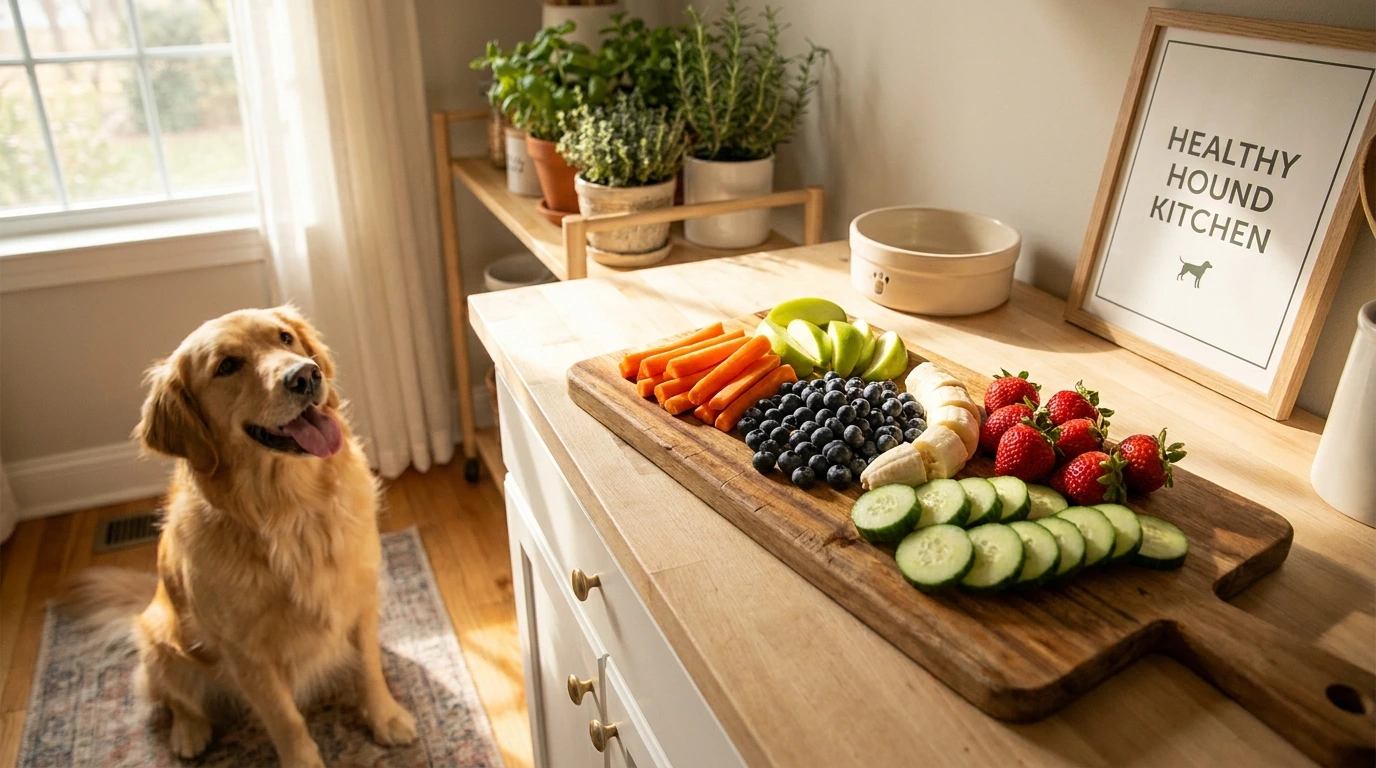
Many fruits and vegetables are safe and beneficial for dogs. Incorporating these into your dog’s diet can provide essential vitamins and minerals.
Carrots
Carrots are low in calories and high in fiber, making them a great crunchy snack. They can be served raw or cooked, but be sure to cut them into manageable pieces to prevent choking.
Apple Slices
Apples are packed with vitamins A and C. Remove the seeds and core before offering slices to your dog, as the seeds can be harmful. Apples make a refreshing treat, especially on warm days.
Commercial Healthy Dog Snacks
If you prefer to purchase snacks, there are many commercial options available that focus on health and nutrition. Look for products made with natural ingredients and without artificial preservatives or fillers.
Grain-Free Options
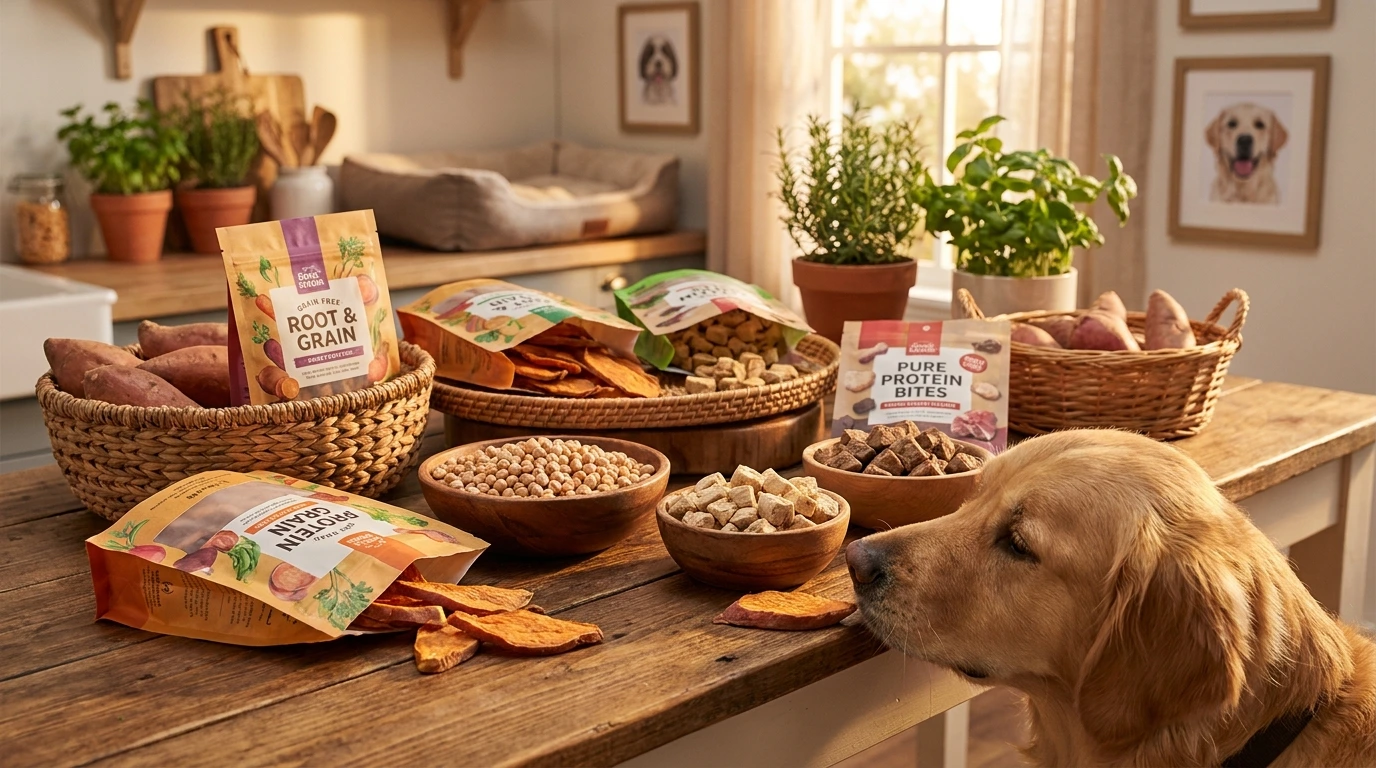
For dogs with sensitivities to grains, grain-free snacks are widely available. These treats often use alternative ingredients like sweet potatoes or chickpeas as their base, providing a healthy alternative that doesn’t compromise on taste.
High-Protein Treats
High-protein snacks, such as those made from chicken or beef, are excellent for active dogs. Many brands offer freeze-dried or dehydrated protein treats that retain their nutritional value while being easy to store and serve.
Training Treats
Using healthy snacks during training sessions can motivate your dog and reinforce positive behavior. Selecting low-calorie options is crucial to prevent excessive weight gain.
Homemade Training Bites
To make training bites, consider using cooked chicken or turkey cut into small pieces. These protein-rich morsels are easy to carry and serve during training, and most dogs find them irresistible.
Store-Bought Training Treats
Look for small, soft treats specifically designed for training. These are usually low in calories and can be quickly chewed, allowing for efficient training sessions without overwhelming your dog with too many calories.
Special Occasion Treats
Sometimes, your furry friend deserves something extra special. Here are some ideas for healthy treats for special occasions.
Frozen Treats
On hot days, frozen treats can be a refreshing way to keep your dog cool. You can freeze small pieces of fruit, like blueberries or watermelon, in ice cubes or blend yogurt with peanut butter and freeze it in molds.
Birthday Cakes
For birthday celebrations, consider making a dog-friendly cake using ingredients like mashed bananas, peanut butter, and whole wheat flour. There are several recipes available, and you can decorate the cake with yogurt frosting for a special touch.
FAQs
What are the best fruits for dogs?
Some of the best fruits for dogs include apples (without seeds), blueberries, bananas, and watermelon (without seeds). Always introduce new fruits gradually and in moderation.
Can dogs eat peanut butter?
Yes, dogs can eat peanut butter in moderation. Ensure that it does not contain xylitol, a sweetener that is toxic to dogs. Natural, unsweetened peanut butter is the best option.
How many treats should I give my dog daily?
A general guideline is that treats should not exceed 10% of your dog’s daily caloric intake. Always consider your dog’s size, activity level, and overall diet when determining the number of treats.
Conclusion
Providing healthy snacks for your dog not only contributes to their physical health but also strengthens the bond between you and your furry friend. From homemade treats to nutritious fruits and vegetables, the options are plentiful and varied. Remember to choose snacks that align with your dog’s dietary needs, and always introduce new foods gradually. By making thoughtful choices, you can ensure that your dog enjoys tasty treats that are beneficial for their health and happiness.