
For pet owners dealing with dogs that have skin allergies, finding the right diet can be crucial in alleviating symptoms and improving overall health. Homemade dog food recipes tailored to address skin sensitivities can make a significant difference. This article will explore various dog food recipes specifically designed to help manage skin allergies, focusing on ingredients known for their anti-inflammatory properties and hypoallergenic qualities. You’ll gain insights into nutritious meals that will not only satisfy your furry friend’s taste buds but also promote healthier skin.
Understanding Skin Allergies in Dogs
Skin allergies in dogs can manifest in various forms, including itching, redness, and inflammation. These allergies may result from environmental factors, food sensitivities, or even flea bites. Identifying the triggers is essential for treatment, and a proper diet can play a vital role in managing symptoms. Feeding your dog hypoallergenic and anti-inflammatory foods may help reduce itching and improve skin health.
Common Ingredients to Avoid
When creating dog food recipes for skin allergies, it’s crucial to avoid common allergens. Ingredients such as beef, chicken, dairy, wheat, and soy often trigger allergic reactions. Instead, focus on novel proteins and carb sources that your dog has not previously consumed. This approach helps in minimizing allergic responses.
Beneficial Ingredients for Skin Health
Incorporating specific ingredients can enhance your dog’s skin health. Omega-3 fatty acids, found in fish oil and flaxseed, are known for their anti-inflammatory properties. Sweet potatoes, carrots, and pumpkin are excellent sources of fiber and essential vitamins. Additionally, probiotics can improve gut health, which is linked to skin condition.

Simple Dog Food Recipes for Skin Allergies
Here are a few simple dog food recipes that can help manage skin allergies while providing balanced nutrition.
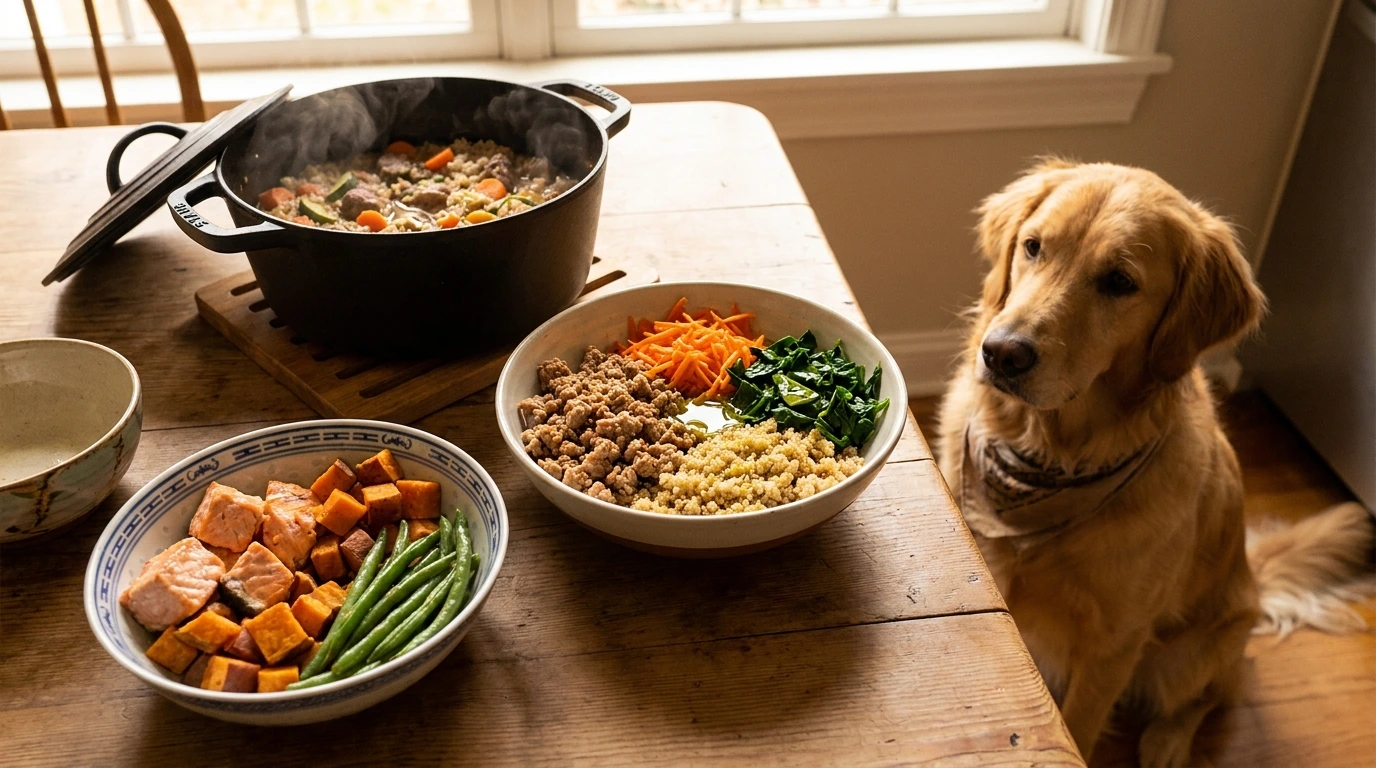
1. Fish and Sweet Potato Recipe
This recipe incorporates salmon, which is rich in Omega-3 fatty acids, and sweet potatoes, providing vitamins and fiber. Ingredients:
1 cup of cooked salmon, deboned 1 cup of mashed sweet potatoes 1/2 cup of green beans, chopped 1 tablespoon of flaxseed oil
Instructions:
Cook the salmon thoroughly and remove any bones. Boil or steam the sweet potatoes until soft, then mash. Mix all the ingredients in a bowl and serve.
2. Turkey and Quinoa Bowl
This dish features turkey, a novel protein for many dogs, combined with quinoa, which is gluten-free and high in protein. Ingredients:
1 pound of ground turkey 1 cup of cooked quinoa 1/2 cup of carrots, shredded 1/2 cup of spinach, chopped 1 tablespoon of olive oil
Instructions:
In a pan, cook the ground turkey until browned. Add carrots and spinach and cook for an additional 5 minutes. Mix in the cooked quinoa and olive oil, and serve.
3. Lamb and Brown Rice Stew
Lamb is another excellent source of protein that is less likely to trigger allergies. This stew is hearty and nutritious. Ingredients:
1 pound of ground lamb 1 cup of brown rice 1 carrot, diced 1 zucchini, diced 4 cups of water or low-sodium broth
Instructions:
In a large pot, cook the ground lamb until browned. Add the diced carrot and zucchini, followed by the brown rice and water. Simmer for about 30 minutes, or until the rice is cooked and the vegetables are tender.
Feeding Guidelines for Dogs with Skin Allergies
When transitioning to homemade dog food, it is essential to do so gradually. Start by mixing the new food with your dog’s current diet over several days to avoid gastrointestinal upset. Monitor your dog’s reaction to the new diet and make adjustments as necessary.
Portion Control
Pay attention to your dog’s size, age, and activity level when determining portion sizes. A general guideline is to feed 2-3% of your dog’s body weight in food daily, but this can vary based on individual needs.
Consulting with a Veterinarian
Before making significant changes to your dog’s diet, consult your veterinarian. They can provide personalized recommendations and may suggest specific ingredients based on your dog’s unique health profile.

FAQs
What are the symptoms of skin allergies in dogs?
Common symptoms include itching, redness, inflammation, hot spots, and excessive scratching or licking. Some dogs may also experience gastrointestinal issues.
Can I use store-bought dog food for allergies?
Some commercial dog foods are specifically formulated for dogs with allergies. Look for hypoallergenic or limited ingredient diets, but always consult your veterinarian first.
How long does it take to see improvements in skin allergies with diet changes?
Improvements can take several weeks to manifest. It is essential to be patient and consistent with the new diet while monitoring your dog’s condition.
Conclusion
Creating homemade dog food recipes for dogs with skin allergies can be an effective way to manage symptoms and improve overall health. By focusing on hypoallergenic ingredients and incorporating anti-inflammatory foods, you can provide your dog with nutritious meals that support skin health. Always consult your veterinarian before making dietary changes, and monitor your dog’s response to the new recipes. With the right approach, you can help your furry friend find relief from skin allergies while enjoying delicious homemade meals.