
Choosing the right food for large breed dogs is crucial for their health, growth, and overall well-being. Large breeds, such as Great Danes, Labradors, and German Shepherds, have unique nutritional needs that differ from smaller breeds. Providing a balanced diet tailored to their size can help prevent health issues, support their joints, and promote a long, active life. In this article, we will explore the essential components of healthy dog food for large breeds, recommended ingredients, and practical tips to ensure your furry friend thrives.
Understanding Nutritional Needs of Large Breed Dogs
Large breed dogs have distinct nutritional requirements compared to smaller breeds. Their rapid growth during puppyhood and their weight can place stress on their joints and bones, making it essential to provide the right balance of nutrients.
Protein Requirements
Protein is a vital component of any dog’s diet, but large breeds require it in specific amounts to support muscle development. High-quality animal proteins, such as chicken, beef, or fish, should be the main ingredient in their food. Ideally, large breed puppies need around 22% to 32% protein content, while adult large breeds should have approximately 18% to 25% protein.
Fat Content
Fats are an important energy source and play a crucial role in maintaining healthy skin and coat. Large breed dog food should contain healthy fats, such as omega-3 and omega-6 fatty acids, which promote joint health and reduce inflammation. Look for foods with fat content ranging from 8% to 15% for adult dogs and slightly higher for puppies.
Carbohydrates and Fiber
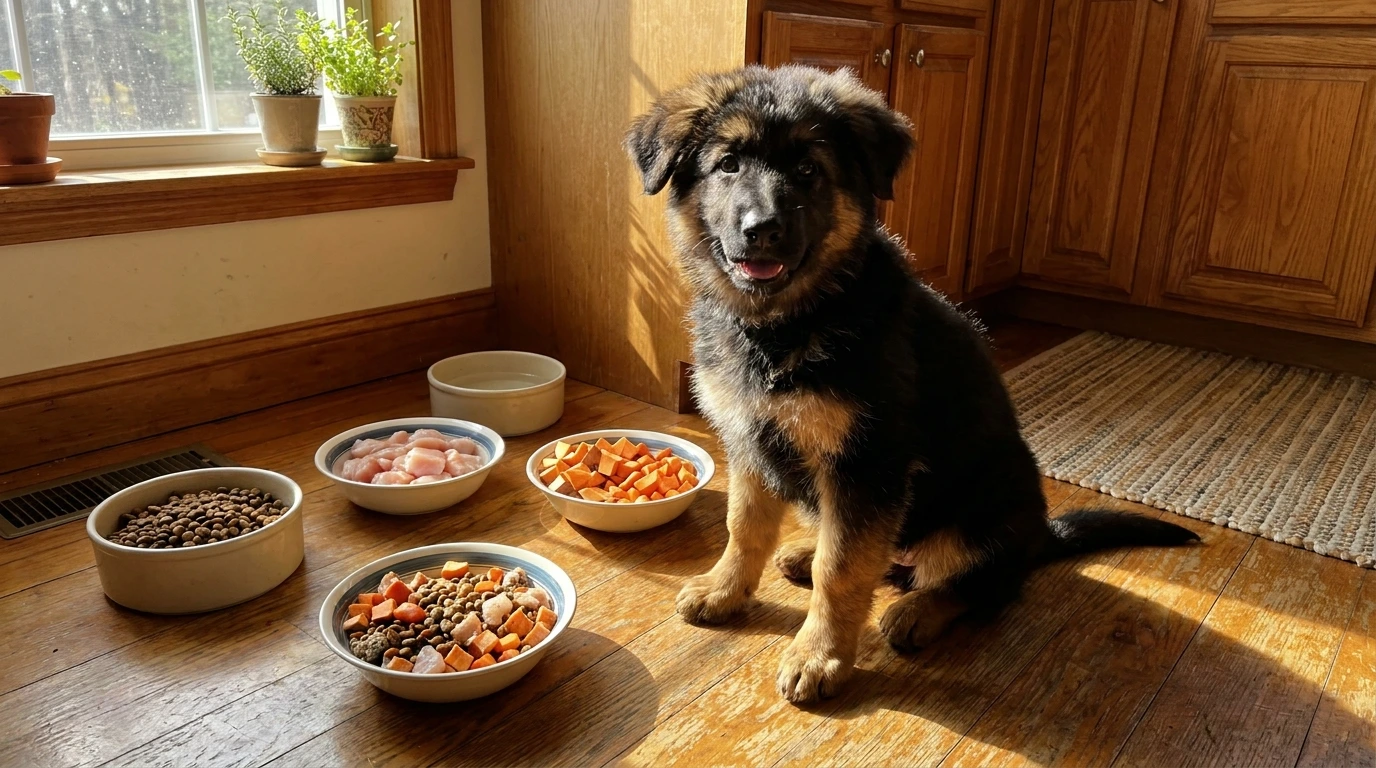
Carbohydrates provide energy and should come from high-quality sources such as brown rice, sweet potatoes, or oats. Fiber is also important for digestion. Look for dog foods that include vegetables or whole grains, which aid in maintaining a healthy digestive system. Aim for a fiber content of about 3% to 5% in their diet.
Key Ingredients for Healthy Large Breed Dog Food
When selecting dog food for large breeds, it’s essential to look for specific ingredients that cater to their health and nutritional needs. Here are some key ingredients to consider.
Glucosamine and Chondroitin
These two compounds are crucial for joint health, especially in large breeds prone to hip dysplasia and arthritis. Many high-quality dog foods include glucosamine and chondroitin to help support cartilage health and maintain joint function. Look for foods that specifically list these ingredients on their labels.
Whole Grains
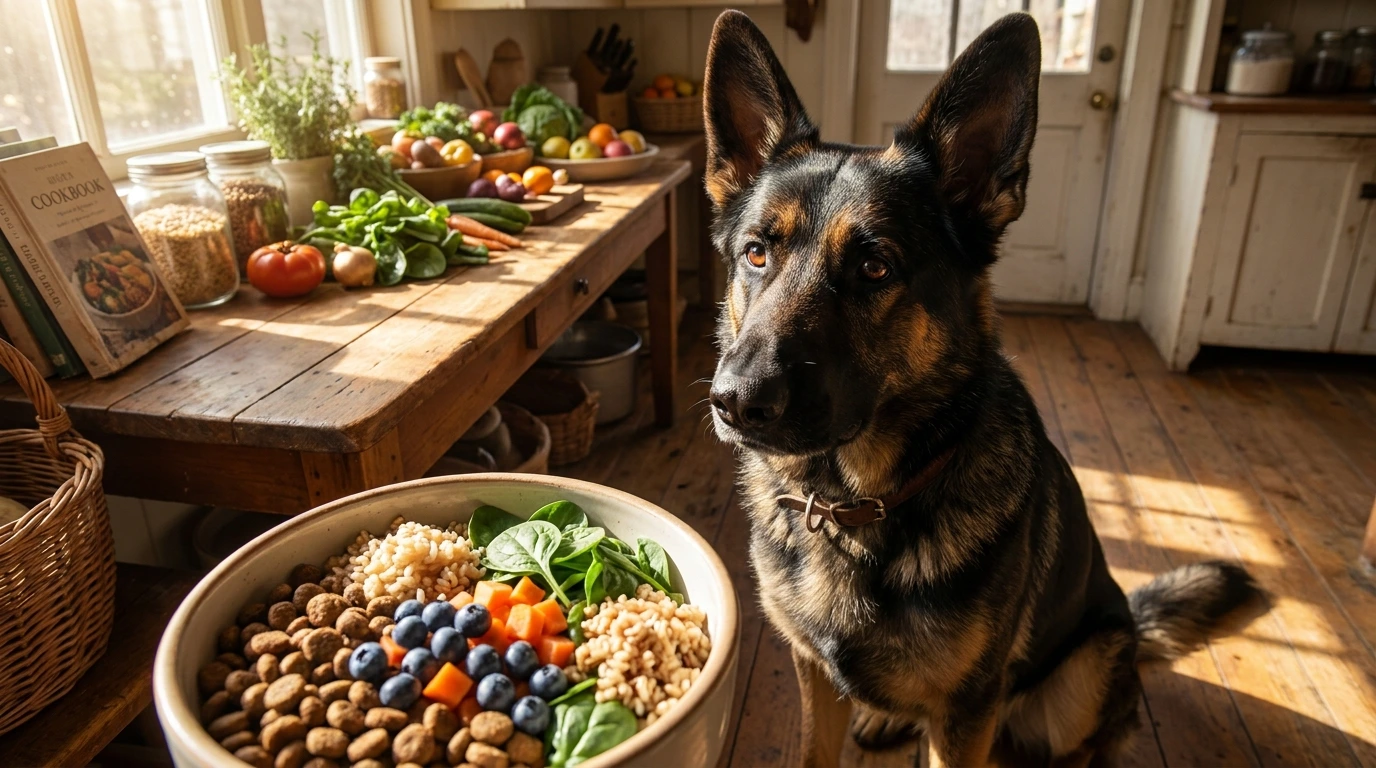
Whole grains like brown rice and barley provide a great source of carbohydrates and fiber. They help maintain energy levels and support healthy digestion. Whole grains also help keep your dog feeling full longer, reducing the likelihood of overeating, which can lead to obesity.
Fresh Fruits and Vegetables
Incorporating fresh fruits and vegetables into your dog’s diet can provide essential vitamins, minerals, and antioxidants. Ingredients like blueberries, carrots, and spinach can boost the immune system and promote overall health. These ingredients also add natural flavors and textures that many dogs enjoy.
Best Practices for Feeding Large Breed Dogs
Feeding large breed dogs requires attention to portion sizes, meal frequency, and dietary adjustments as they age. Here are some best practices to follow.
Portion Control
Large breed dogs are prone to obesity, which can exacerbate joint issues and other health problems. Follow the feeding guidelines on your dog food packaging, but adjust portions according to your dog’s activity level and weight. Regularly monitor their body condition and consult your veterinarian for personalized recommendations.
Meal Frequency
It is advisable to divide your large breed dog’s daily food intake into two or three meals. This approach helps prevent bloat, a serious condition that affects deep-chested breeds. Feeding smaller, more frequent meals can also aid in digestion and help maintain energy levels throughout the day.
Regular Veterinary Check-ups
Routine veterinary visits are essential to monitor your dog’s health and adjust their diet as needed. Your veterinarian can provide valuable insights into your dog’s specific nutritional needs based on their age, weight, activity level, and any pre-existing health conditions.

FAQs
What is the best food for large breed puppies?
Look for high-quality puppy food specifically formulated for large breeds. These foods typically contain appropriate levels of protein, fat, and nutrients to support healthy growth and development.
Can large breed dogs eat grain-free food?
While grain-free diets can be suitable for some dogs, they may not always be necessary for large breeds. Always ensure that the food provides balanced nutrition and consult with your veterinarian before making dietary changes.
How can I tell if my dog is getting enough nutrition?
Signs of proper nutrition include a healthy weight, shiny coat, good energy levels, and healthy digestion. Regular check-ups with your veterinarian can help assess your dog’s nutritional needs and overall health.

Conclusion
Feeding large breed dogs requires careful consideration of their unique nutritional needs. By understanding the essential components of their diet and choosing high-quality ingredients, you can help ensure your furry friend remains healthy and active. Regular veterinary check-ups, portion control, and meal frequency will further support their well-being. With the right nutrition, your large breed dog can lead a happy, healthy life.