
Finding the right diet for dogs with sensitive stomachs or allergies can be a daunting task for pet owners. Hypoallergenic dog food recipes are designed to minimize the risk of allergic reactions while ensuring that your furry friend receives all the necessary nutrients. These recipes often focus on limited ingredients and novel proteins that are less likely to trigger allergies. This guide will explore various hypoallergenic dog food recipes that you can easily prepare at home, providing your pet with safe and healthy meal options.
Understanding Hypoallergenic Dog Food
Hypoallergenic dog food is formulated to reduce the likelihood of allergic reactions in dogs. It typically features limited ingredients, focusing on proteins and carbohydrates that are less common in traditional dog foods. This approach helps identify specific allergens that may be causing issues while providing a balanced diet.
What Causes Food Allergies in Dogs?
Food allergies in dogs can stem from various sources, including certain proteins, grains, and additives. Common allergens include beef, chicken, dairy, wheat, and soy. These allergens can trigger symptoms such as itching, gastrointestinal disturbances, and skin irritations. Identifying the specific allergens through an elimination diet can help in managing these reactions effectively.
Benefits of Homemade Hypoallergenic Dog Food
One of the primary benefits of making homemade hypoallergenic dog food is the ability to control ingredients. This ensures that your dog receives high-quality, fresh components without any hidden allergens. Additionally, homemade meals can be tailored to your dog’s specific dietary needs, preferences, and any sensitivities they may have. Furthermore, preparing food at home can often be more cost-effective than purchasing commercial hypoallergenic dog food.
Simple Hypoallergenic Dog Food Recipes
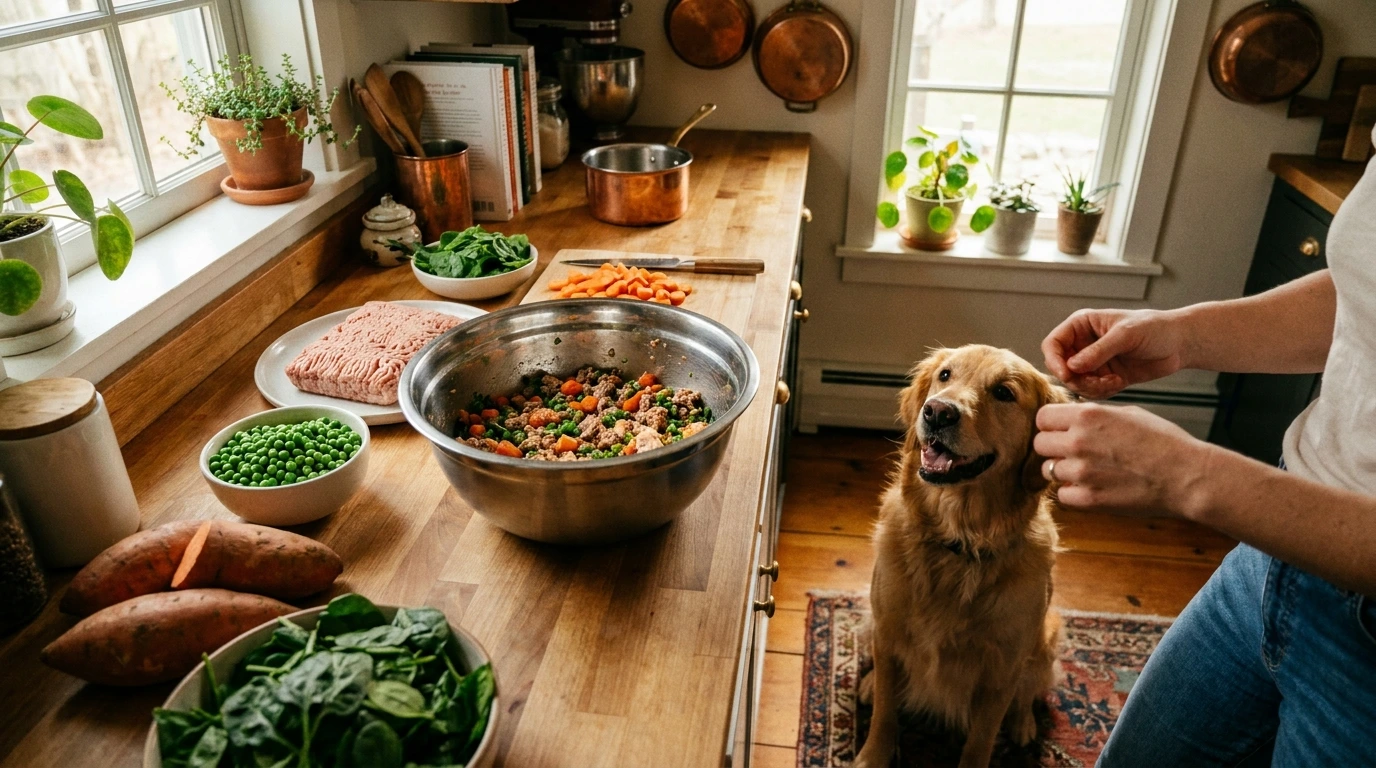
Here are a few easy-to-make hypoallergenic dog food recipes that focus on using limited ingredients and novel proteins. Always consult with your veterinarian before making significant changes to your dog’s diet, especially if they have specific health concerns.
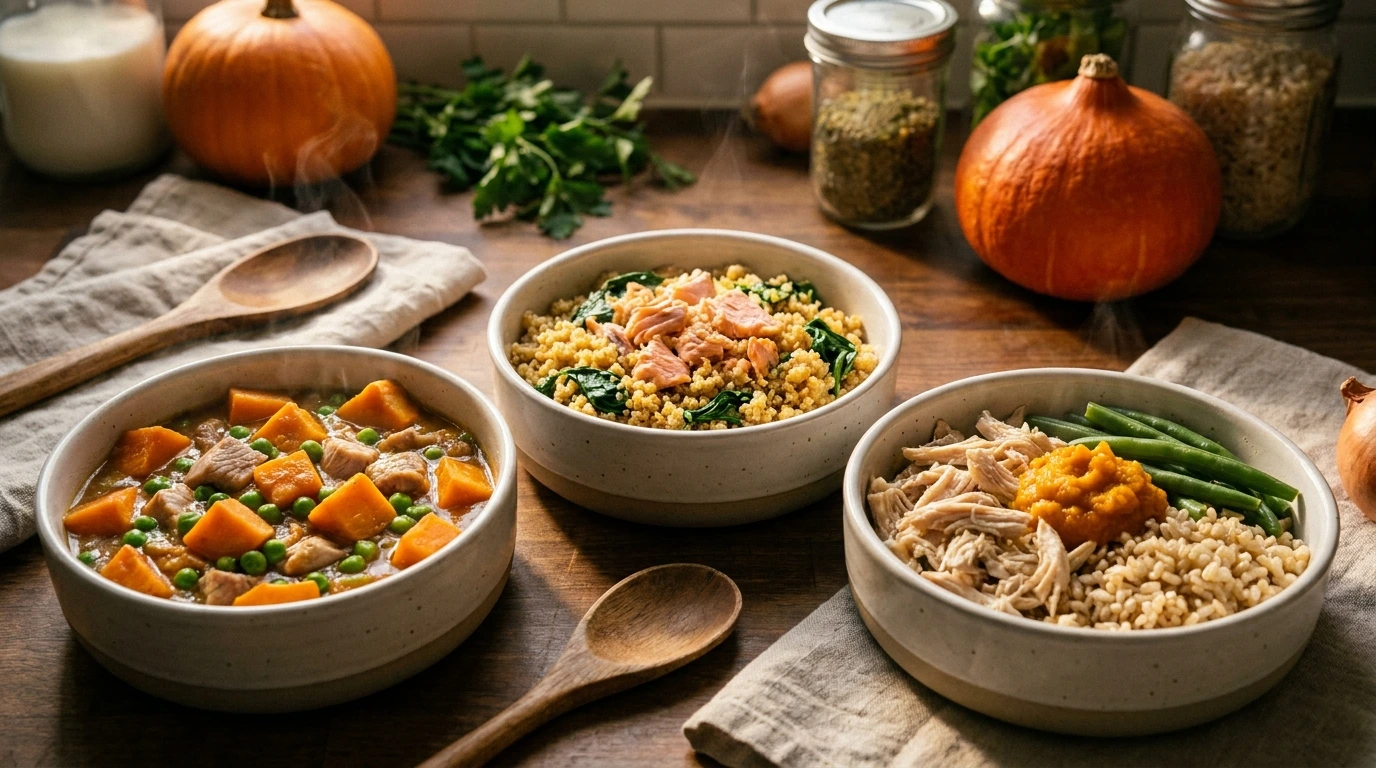
1. Turkey and Sweet Potato Stew
This recipe features turkey, a novel protein for many dogs, combined with sweet potatoes, which are gentle on the digestive system.
2 cups ground turkey 1 cup diced sweet potatoes 1/2 cup carrots, chopped 1/2 cup peas 4 cups water
To prepare, brown the ground turkey in a pot, then add the sweet potatoes, carrots, peas, and water. Simmer for about 20 minutes until the vegetables are tender. Allow to cool before serving.
2. Salmon and Quinoa Bowl
This recipe incorporates salmon, an excellent source of omega-3 fatty acids, paired with quinoa, a gluten-free grain.
1 cup salmon (cooked and flaked) 1 cup cooked quinoa 1/2 cup chopped spinach 1/4 cup carrots, shredded 1 tablespoon olive oil
Mix the cooked salmon with quinoa, spinach, and carrots. Drizzle with olive oil for added flavor and healthy fats. Serve after allowing it to cool.
3. Chicken and Rice Medley
This classic recipe is ideal for dogs who may be sensitive to more common protein sources.
1 cup cooked chicken (shredded) 1 cup brown rice (cooked) 1/2 cup green beans (steamed) 1/2 cup pumpkin puree (not pie filling)
Combine the shredded chicken, brown rice, green beans, and pumpkin puree in a bowl. Mix until well combined and serve once cooled.
Transitioning to Hypoallergenic Dog Food
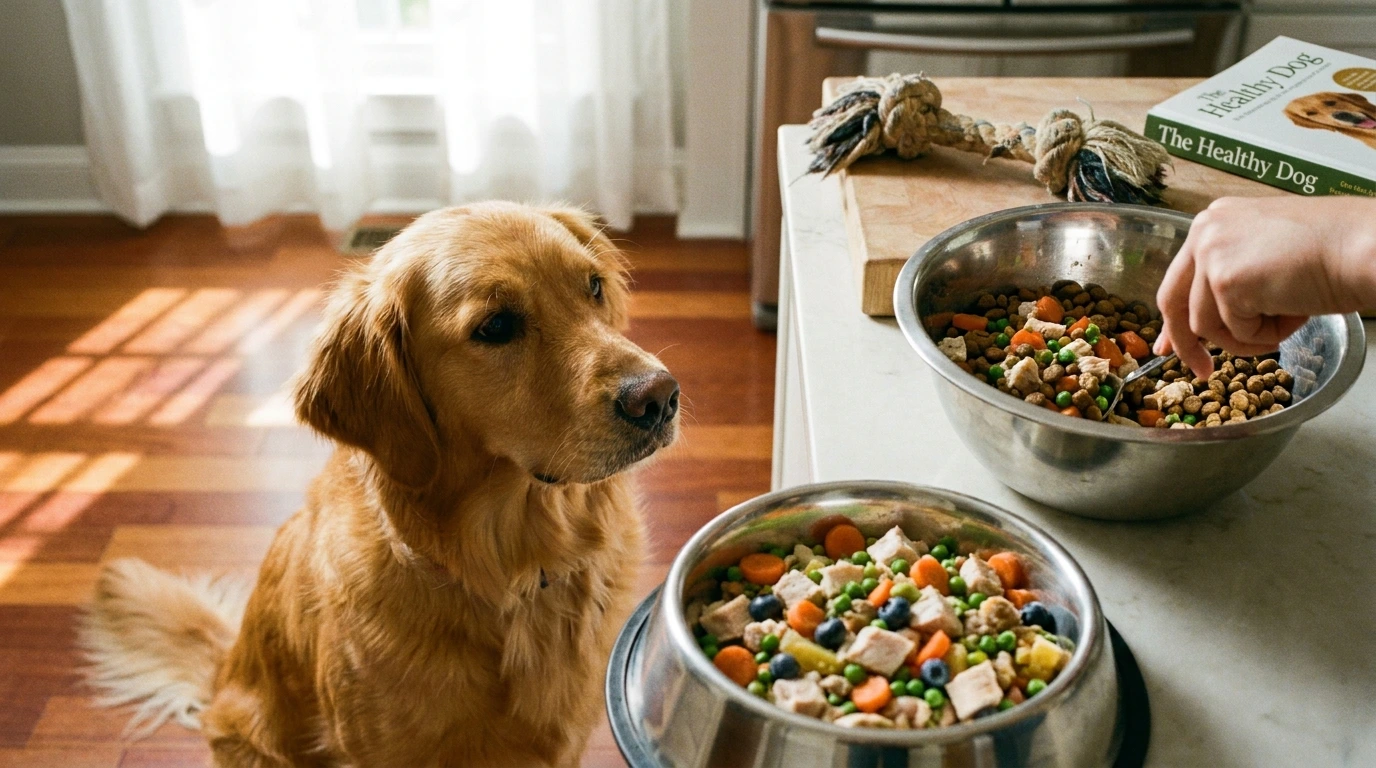
When introducing hypoallergenic dog food, it is essential to transition gradually to avoid gastrointestinal upset. Start by mixing a small amount of the new food with your dog’s current diet, gradually increasing the proportion of the new food over 7-10 days. This helps your dog’s digestive system adapt and reduces the risk of adverse reactions.
Signs Your Dog May Have Food Allergies
It is crucial to recognize signs of food allergies in your dog, which may include excessive scratching, ear infections, vomiting, diarrhea, or changes in stool consistency. If you observe any of these symptoms, consult your veterinarian for a proper diagnosis and dietary recommendations.
FAQs
What are the most common allergens for dogs?
The most common allergens for dogs include beef, chicken, dairy, wheat, soy, and certain grains. Each dog is unique, and allergens can vary, so it is essential to monitor their reactions to different foods.
How can I tell if my dog has a food allergy?
Signs of a food allergy in dogs can include skin irritations, itching, gastrointestinal upset, and ear infections. Keeping track of any changes in your dog’s behavior or health after feeding specific foods can help identify potential allergies.
Can I use store-bought ingredients in hypoallergenic recipes?
Yes, you can use store-bought ingredients as long as they are fresh and free from additives or allergens. Always check labels to ensure there are no hidden ingredients that may trigger allergies.
How long does it take to see improvements in my dog’s condition after changing their diet?
It can take several weeks to notice improvements after changing your dog’s diet. This time frame allows your dog’s system to adjust and for any allergens to be eliminated from their body. Monitoring their condition closely during this transition is essential.
Conclusion
Providing your dog with hypoallergenic food is essential for their health and well-being, especially if they have food allergies or sensitivities. By preparing homemade recipes with carefully selected ingredients, you can ensure your furry friend receives a nutritious and balanced diet tailored to their needs. Always consult your veterinarian when making dietary changes to ensure your dog remains healthy and happy.