
When it comes to providing optimal nutrition for your dog, incorporating Omega-3 fatty acids into their diet can offer a plethora of health benefits. From promoting a shiny coat to supporting joint health, Omega-3s are essential for maintaining your dog’s overall well-being. This article delves into various Omega-3 dog food recipes that are not only nutritious but also easy to prepare at home. Discover how you can enhance your canine’s diet with wholesome ingredients that are rich in Omega-3 fatty acids.
Understanding Omega-3 Fatty Acids
Omega-3 fatty acids are crucial for dogs because they play a significant role in several bodily functions. These essential fats contribute to heart health, brain development, and inflammatory response regulation. The most common types of Omega-3s found in dog food are EPA (eicosapentaenoic acid) and DHA (docosahexaenoic acid), primarily sourced from fish oil and certain plant oils.
Sources of Omega-3 for Dogs
There are several excellent sources of Omega-3 fatty acids that can be included in your dog’s meals. Fish, such as salmon and sardines, are rich in EPA and DHA. Flaxseeds and chia seeds are great plant-based options that provide ALA (alpha-linolenic acid), another type of Omega-3. Additionally, fish oil supplements can be considered if you prefer a more concentrated source of these essential fatty acids.

Benefits of Omega-3 in Your Dog’s Diet
Incorporating Omega-3 fatty acids into your dog’s diet can lead to numerous health advantages. Regular intake can improve skin and coat health, reduce inflammation associated with arthritis, and support cognitive functions in older dogs. Furthermore, Omega-3s can promote heart health and aid in maintaining a healthy weight, making them a vital component of your dog’s nutrition.
Skin and Coat Health
One of the most noticeable benefits of Omega-3 fatty acids is their positive impact on your dog’s skin and coat. Omega-3s can alleviate dry, itchy skin and reduce shedding. A diet rich in these fats can lead to a shinier and healthier coat, enhancing your dog’s overall appearance.
Joint Health
For aging dogs or those with joint issues, Omega-3s can provide significant relief. These fatty acids help reduce inflammation in the joints, which can lead to pain relief and improved mobility. Regular consumption of Omega-3s may also help prevent the onset of joint-related diseases.

Omega-3 Dog Food Recipes
Now that you understand the importance of Omega-3 fatty acids, let’s explore some easy-to-make dog food recipes that incorporate these essential fats. Each recipe is designed to be nutritious and appealing to your furry friend.
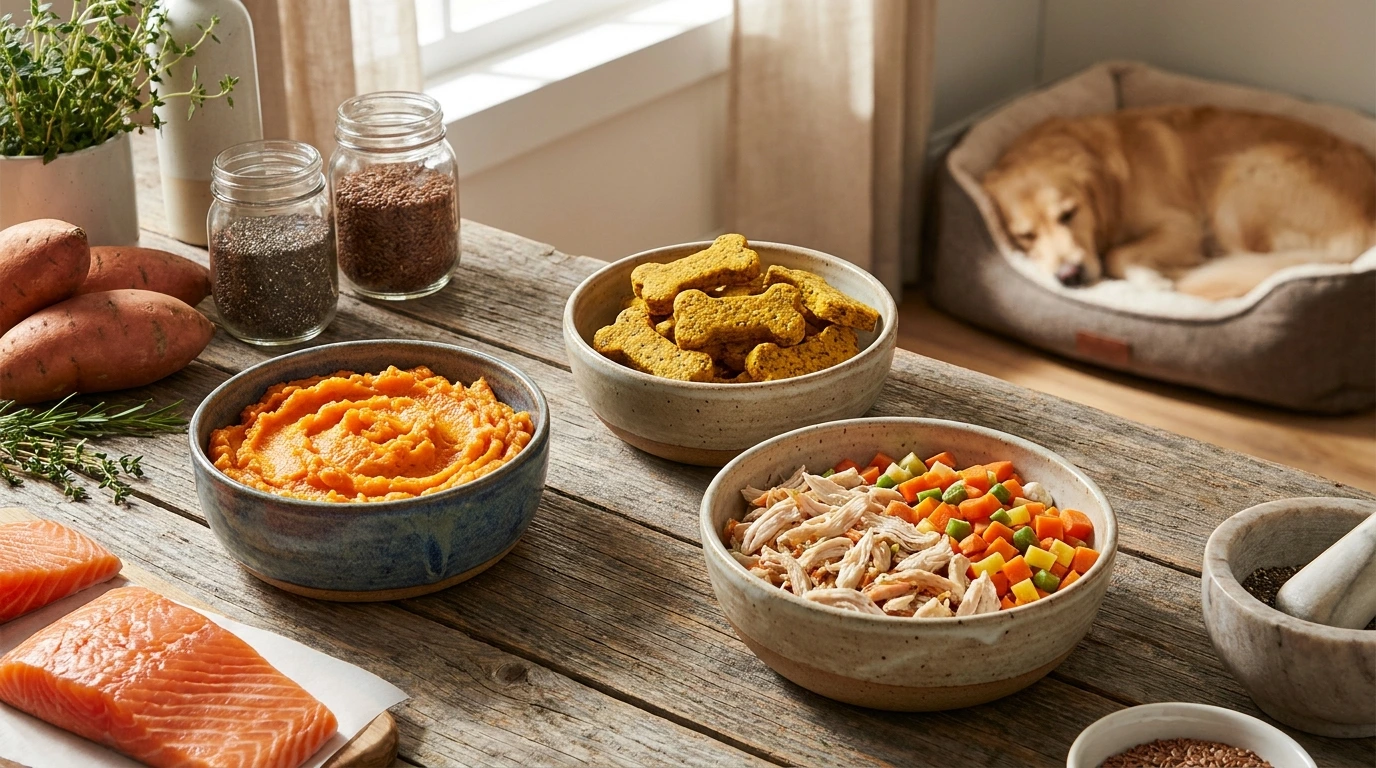
Salmon and Sweet Potato Dog Food
This recipe combines the goodness of salmon with the nutritional benefits of sweet potatoes, providing a delicious meal rich in Omega-3s.
2 cups of cooked salmon (boneless and skinless) 1 cup of mashed sweet potatoes 1/2 cup of peas (fresh or frozen) 1 tablespoon of flaxseed oil
Mix all the ingredients thoroughly and serve it as a meal or a topping over your dog’s regular food. This recipe not only provides Omega-3s but also is rich in vitamins and minerals.
Chia Seed and Pumpkin Dog Treats
These treats are perfect for a snack and are packed with Omega-3s from chia seeds and the benefits of pumpkin.
1 cup of pumpkin puree 1/4 cup of chia seeds 1 1/2 cups of whole wheat flour 1 egg
Mix all the ingredients to form a dough, roll it out, and cut it into shapes. Bake at 350°F for about 30 minutes. These treats are not only tasty but also nutritious.
Flaxseed and Chicken Dog Food
This simple recipe is a great way to provide Omega-3s through flaxseeds while ensuring your dog gets high-quality protein from chicken.
2 cups of cooked, shredded chicken 1 cup of cooked brown rice 1/2 cup of carrots (diced) 1 tablespoon of ground flaxseed
Combine all ingredients and mix well. This meal is easy to digest and provides balanced nutrition for your dog.
FAQs
How often should I feed my dog Omega-3s?
Omega-3 fatty acids can be included in your dog’s diet daily. However, the quantity should be appropriate for your dog’s size and health condition. Consulting with your veterinarian can help determine the right amount.
Can I use fish oil supplements instead of whole food sources?
Yes, fish oil supplements can be a convenient way to ensure your dog gets enough Omega-3s. Make sure to choose high-quality supplements and follow the recommended dosage based on your dog’s weight.
Are there any side effects of too much Omega-3?
While Omega-3s are beneficial, excessive amounts can lead to gastrointestinal issues such as diarrhea. It’s important to maintain a balanced diet and follow recommended guidelines.
Conclusion
Incorporating Omega-3 fatty acids into your dog’s diet is a simple yet effective way to enhance their health and well-being. With the recipes provided, you can easily prepare delicious meals and treats that are rich in these essential fats. Remember to consult your veterinarian for personalized advice on your dog’s dietary needs. By making informed choices, you can ensure your furry friend enjoys a healthy and happy life.