
Managing your dog’s weight is crucial for their overall health and longevity. Just like humans, dogs can suffer from obesity, leading to a range of health issues, including diabetes, joint problems, and heart disease. One of the most effective ways to help your dog maintain a healthy weight is through a balanced diet. This article will provide you with practical dog food recipes specifically designed for weight management, along with tips for maintaining your dog’s health.
Understanding Weight Management in Dogs
Before diving into recipes, it’s important to understand how weight management works for dogs. Each dog has different dietary needs based on factors such as age, breed, size, and activity level. Weight management involves providing a diet that is lower in calories but high in nutrients to ensure your dog remains healthy while losing or maintaining weight.
Assessing Your Dog’s Weight
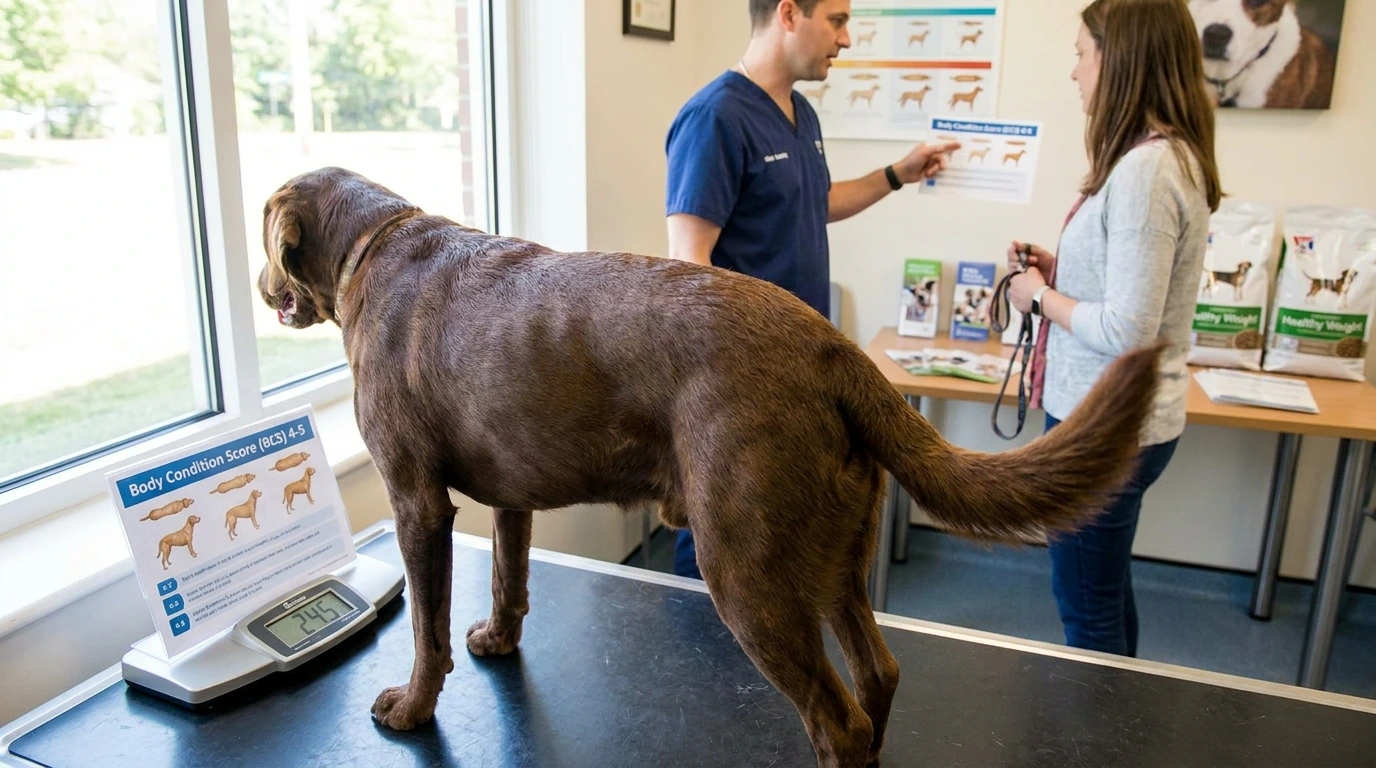
To effectively manage your dog’s weight, you first need to assess their current condition. A simple way to do this is by using a body condition score (BCS) system, which ranges from 1 to 9. A healthy dog typically has a score of 4 to 5, where you can easily feel their ribs without an excessive layer of fat.
Consulting Your Veterinarian
Before making significant changes to your dog’s diet, consult your veterinarian. They can help determine your dog’s ideal weight and provide guidelines on how many calories they should consume daily. This tailored approach will ensure that your dog receives the nutrition they need while shedding extra pounds safely.
Healthy Dog Food Recipes for Weight Management
Now that you understand the basics of weight management, here are some nutritious and delicious recipes to help your dog maintain a healthy weight. These recipes focus on high fiber, low-calorie ingredients that provide essential nutrients without excess calories.
Recipe 1: Chicken and Vegetable Stew
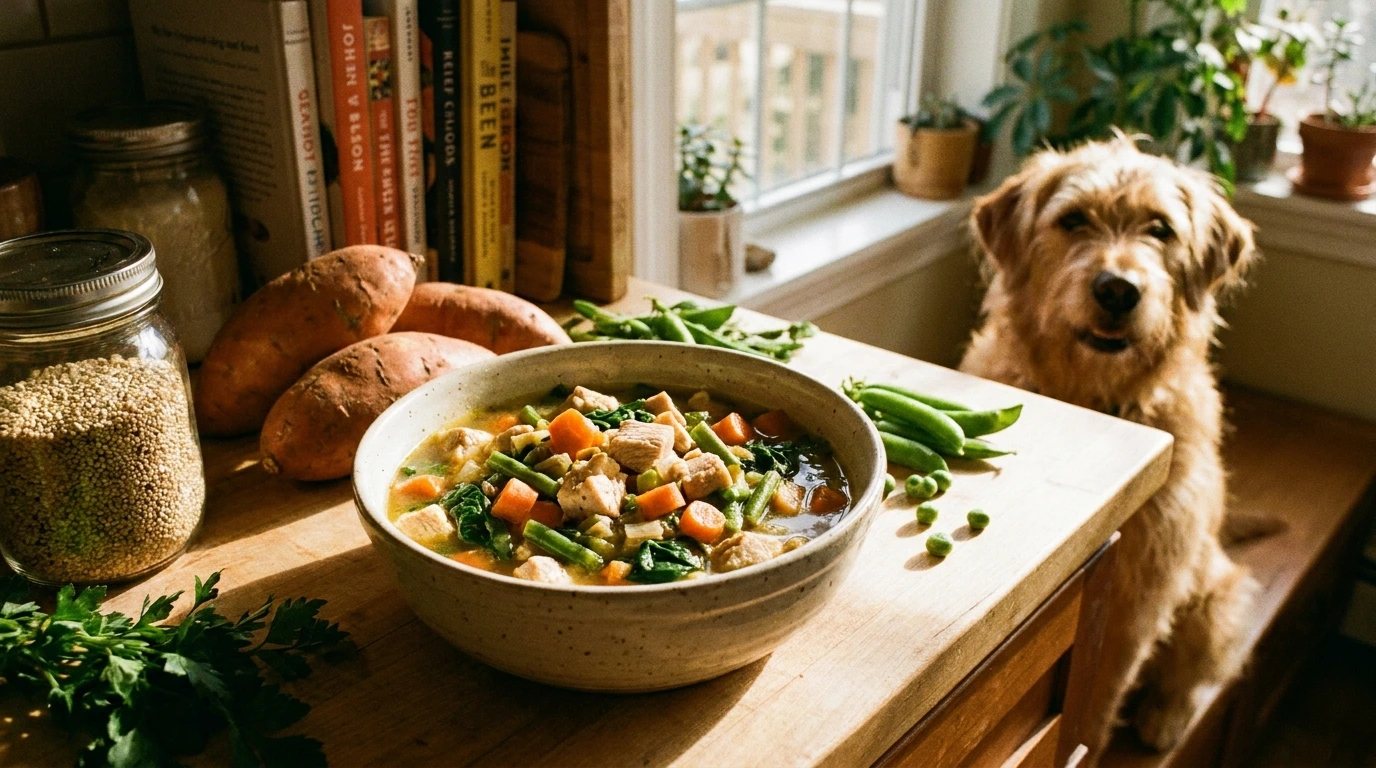
This hearty stew is filled with lean protein and fiber-rich vegetables, making it ideal for weight management. Ingredients:
1 pound skinless chicken breast, diced 2 cups carrots, diced 1 cup green beans, chopped 2 cups spinach, chopped 4 cups low-sodium chicken broth 1 tablespoon olive oil
Instructions:
In a large pot, heat the olive oil over medium heat. Add the chicken and sauté until browned. Incorporate the carrots and green beans, cooking for an additional 5 minutes. Add the chicken broth and bring to a boil. Add spinach and simmer for 15-20 minutes until vegetables are tender. Cool before serving to your dog.
Recipe 2: Turkey and Quinoa Bowl
This recipe provides a great source of protein and whole grains, keeping your dog full without overloading them with calories. Ingredients:
1 pound lean ground turkey 1 cup quinoa, rinsed 2 cups water 1 cup sweet potatoes, diced 1 cup peas
Instructions:
In a saucepan, combine quinoa and water; bring to a boil, then reduce heat and simmer until quinoa is fluffy. In a separate skillet, cook ground turkey over medium heat until browned. Add sweet potatoes and peas to the turkey, cooking until sweet potatoes are tender. Mix the cooked quinoa with the turkey mixture and serve once cooled.
Recipe 3: Fish and Sweet Potato Mash
This recipe is excellent for dogs that love fish and is rich in Omega-3 fatty acids, which promote a healthy coat and skin. Ingredients:
2 fillets of salmon or white fish 2 medium sweet potatoes, peeled and cubed 1 tablespoon olive oil
Instructions:
Boil sweet potatoes until soft, then mash them with olive oil. Cook salmon in a skillet until fully cooked, then flake it into pieces. Mix the flaked fish with mashed sweet potatoes and serve when cooled.
Tips for Maintaining Your Dog’s Weight
In addition to providing healthy meals, managing your dog’s weight involves a holistic approach. Here are a few tips to support your dog’s weight management journey.
Portion Control
Measure your dog’s food portions carefully. Use a scale or measuring cup to ensure you are providing the right amount of food based on your veterinarian’s recommendations.
Regular Exercise
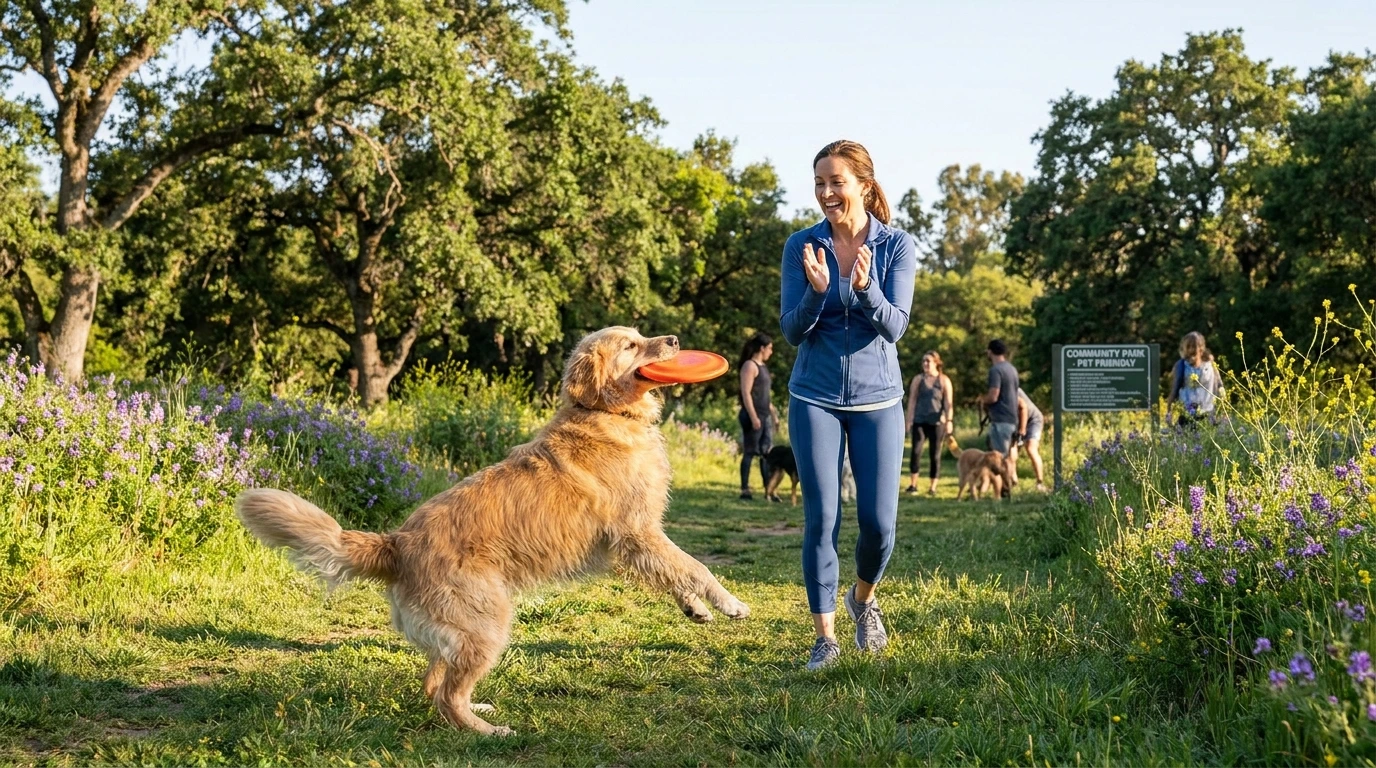
Incorporate regular exercise into your dog’s routine. Aim for at least 30 minutes of activity each day, including walks, playtime, and mental stimulation. This will help your dog burn calories and maintain muscle mass.
Limit Treats
While treats can be a great way to train and reward your dog, they can also add unnecessary calories. Opt for low-calorie treats or healthy alternatives like carrots and green beans. Ensure treats do not exceed 10% of your dog’s daily caloric intake.
FAQs
What are the signs my dog is overweight?
Common signs of obesity in dogs include difficulty in feeling their ribs, lack of energy, difficulty in getting up, and excessive panting. A veterinarian can provide a more accurate assessment.
How can I transition my dog to a weight management diet?
Gradually transition your dog to a new diet over a week, mixing the new food with their current food. Start with 75% old food and 25% new food, slowly increasing the new food while decreasing the old.
Are homemade diets better than commercial weight management dog food?
Homemade diets can be tailored to your dog’s needs, but they must be nutritionally balanced. Consult with your veterinarian or a pet nutritionist before making the switch to ensure all dietary needs are met.
Conclusion
Managing your dog’s weight is a vital aspect of their health and well-being. By providing balanced, nutritious meals, engaging in regular exercise, and monitoring their weight, you can help your dog lead a healthier life. The recipes provided in this article are designed to support weight management while ensuring your dog enjoys their meals. Remember to consult with your veterinarian to create a tailored plan that meets your dog’s specific needs. With dedication and care, you can help your furry friend achieve and maintain a healthy weight.